
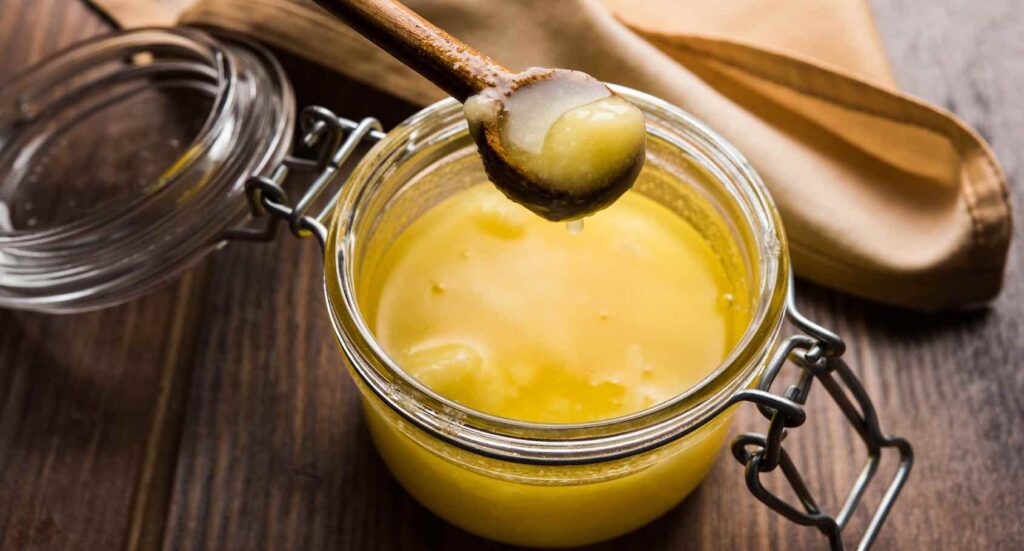
Cooking Tips for Preserving the Purity of A2 Ghee
A2 ghee has been a trusted cooking fat in traditional households for generations. It is known not only for its rich aroma and taste but also for its many health benefits. However, many people are unaware that improper cooking and handling methods can slowly reduce the purity and nutritional value of A2 ghee. Simple mistakes like overheating, reheating, or incorrect storage can affect its quality. By learning the right cooking practices, you can make sure that A2 ghee retains its natural goodness and continues to support your overall health.
What Makes A2 Ghee Pure and Special
Pure A2 ghee is made from the milk of indigenous cows that produce only the A2 type of beta-casein protein. This makes a2 pure cow ghee easier to digest and gentler on the stomach compared to regular ghee. It contains healthy fats, fat-soluble vitamins, and beneficial compounds that support immunity, digestion, and energy levels. In Ayurveda, A2 ghee is considered a nourishing food that balances the body and mind. Because of its natural purity, it deserves careful handling during cooking to protect its valuable nutrients.
Understanding the Smoke Point of A2 Ghee
The smoke point is the temperature at which fat starts to burn and release smoke. A2 ghee has a higher smoke point than many refined oils, which makes it suitable for everyday cooking. However, this does not mean it should be heated excessively. When ghee is overheated, it can lose its nutrients and develop a burnt smell. Cooking on medium heat instead of very high flame helps preserve its structure and ensures the food remains healthy and flavorful.
Best Cooking Methods to Preserve A2 Ghee Quality
Using gentle cooking methods is one of the best ways to protect the purity of A2 ghee. It works well for sautéing vegetables, lightly roasting spices, and preparing traditional meals like rice, lentils, and curries. Slow cooking allows the ghee to blend naturally with ingredients without breaking down its nutrients. Avoid deep frying whenever possible, as shallow cooking or light tempering is much better for maintaining its health benefits.
Cooking Practices That Can Reduce Ghee Purity
One common mistake is repeatedly heating the same ghee. Reheating ghee multiple times can cause oxidation and reduce its natural quality. This often happens when people reuse ghee left after frying. To preserve purity, it is better to use fresh ghee each time and avoid storing previously heated ghee for reuse. Fresh usage ensures better taste and maximum nutritional value.
Another practice that affects purity is mixing ghee with refined or low-quality oils. When A2 ghee is combined with unsuitable fats, its natural balance can be disturbed. This may also make food heavier and harder to digest. Using ghee alone or pairing it only with natural ingredients helps maintain its original benefits.
When to Add A2 Ghee During Cooking
The timing of adding ghee plays an important role in preserving its quality. Instead of heating ghee for long periods on an empty pan, it is better to add it once the pan is warm or toward the middle of cooking. Adding ghee at the end of cooking, such as drizzling it over hot rice or vegetables, helps retain its aroma and nutrients. This method also enhances the taste of the dish without exposing the ghee to excessive heat.
Using A2 Ghee in Daily Meals Safely
A2 ghee can be easily included in daily meals in small amounts. It can be added to cooked rice, mixed into dal, spread on warm flatbreads, or used as a finishing fat for vegetables. Traditional practices like adding a spoon of ghee to warm food help improve digestion and nutrient absorption. Consuming ghee in moderation ensures that the body benefits from its healthy fats without excess.
Proper Storage Tips to Maintain Ghee Purity
Proper storage is just as important as cooking methods. A2 ghee should be stored in a clean, dry, and airtight container. Glass or stainless-steel containers are ideal, as they do not react with the ghee. It should be kept away from moisture, heat, and direct sunlight. Always use a clean, dry spoon to avoid contamination. When stored correctly, ghee remains fresh for a long time without losing its quality.
Signs That A2 Ghee Has Lost Its Purity
It is important to recognize signs that ghee may no longer be fresh. Changes in smell, such as a sour or burnt odor, indicate spoilage. A drastic change in color or texture can also be a warning sign. While pure ghee has a naturally rich aroma, any unpleasant smell means it should not be consumed. Understanding these signs helps ensure safe and healthy usage.
Common Myths About Cooking with A2 Ghee
Many people believe that ghee becomes unhealthy when heated, but this is not entirely true. When used correctly, A2 ghee remains stable and beneficial. Another myth is that ghee causes weight gain. In reality, moderate consumption of good-quality ghee can support digestion and provide lasting energy. Choosing high-quality ghee from trusted sources, such as the best milk brand in uae, also plays a role in maintaining purity and safety.
Conclusion
Preserving the purity of A2 ghee does not require complicated steps. Simple habits like cooking on medium heat, avoiding reheating, adding ghee at the right time, and storing it properly can make a big difference. When handled with care, A2 ghee retains its natural flavor, aroma, and health benefits. By using these cooking tips in your daily routine, you can enjoy the true goodness of A2 ghee while supporting a healthy and balanced lifestyle.
Related Post

Custom Kitchen Equipment Solutions for Modern Commercial Kitchens
Modern commercial kitchens are no longer just functional spaces for food preparation. They are high-performance…