Kitchen Under Counter Lights Contractors Trust
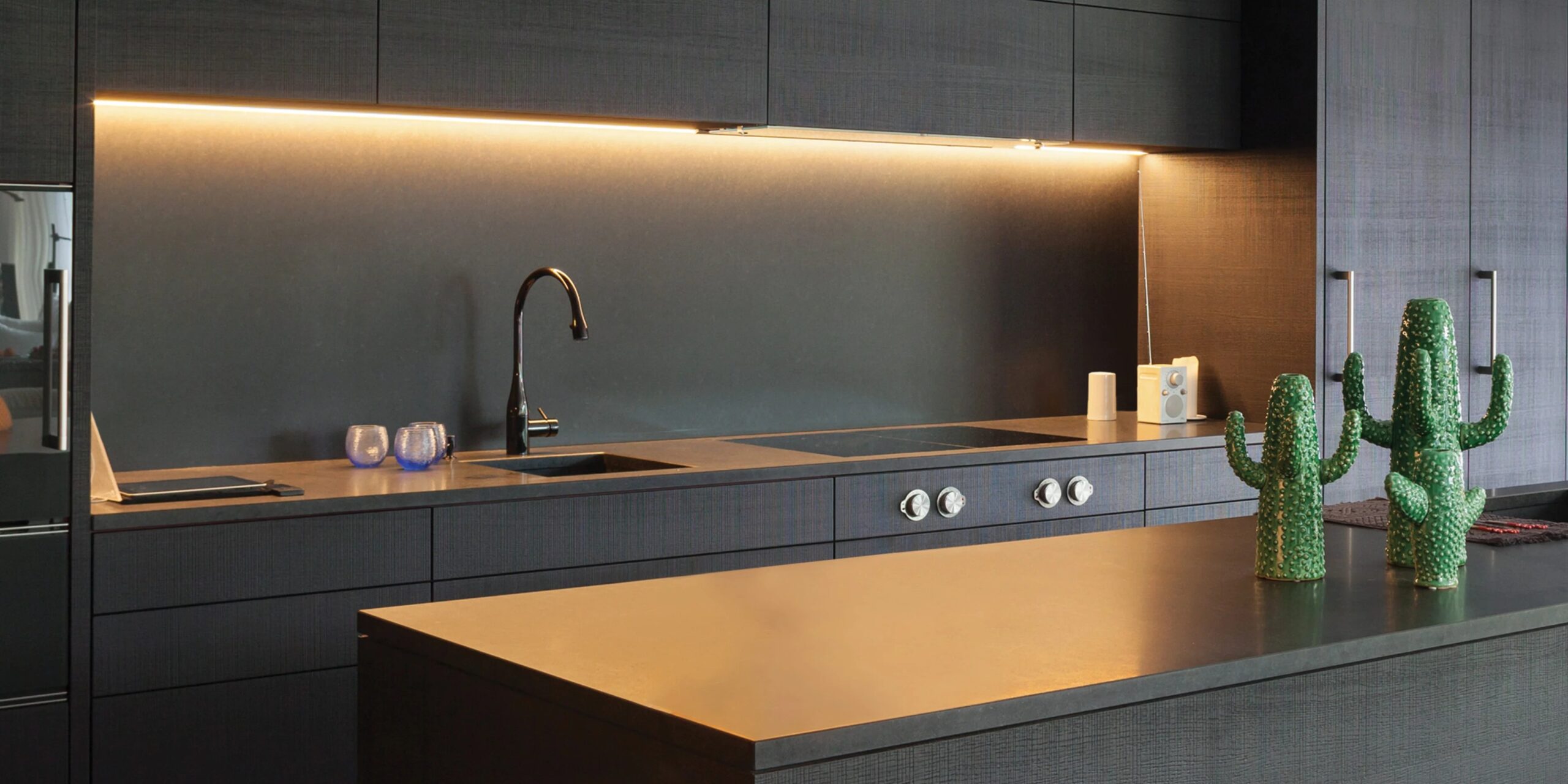
Kitchen under counter lights create the kind of improvement clients notice immediately. They walk in, flip a switch, and the counter looks sharp. The backsplash looks cleaner. The kitchen feels more usable.
That’s why under-cabinet lighting shows up in so many remodel scopes. It feels like a premium add-on without the premium headache, if the product choice matches the job.
Homeowners usually ask questions like:
“Will it look too bright?”
“Will it match my lights?”
“Will it be hard to install?”
Contractors usually ask different questions:
“Will it arrive on time?”
“Will it install fast?”
“Will it avoid call-backs?”
This article covers both sides, using the same practical checklist contractors use to decide what works and what wastes time.
The Most Common Mistake: Buying Before Measuring
Under-cabinet lighting fails when someone shops first and measures later.
A kitchen usually has breaks, gaps, and different cabinet depths. One “all-in-one kit” rarely fits perfectly. So the result becomes a patchwork: one bright zone, one dark zone, and a visible wire somebody tries to hide after the fact.
The fix is simple.
Measure cabinet runs first.
Then choose a lighting type that fits the layout.
-
Long straight runs: light bars or tape systems
-
Short cabinet sections: pucks
-
Minimalist kitchens: ultra-thin panels
-
Accent areas: pucks or short bars
AQ Lighting offers under-cabinet options across these types, so a buyer can match the product to the layout instead of forcing the layout to accept one rigid kit.
Brightness and Color: The Two Decisions That Decide Everything
Most shoppers talk about “brightness” like it’s a feeling. Contractors treat it like a spec.
A good plan keeps counters bright enough to work, but not so bright that it feels harsh during dinner.
A simple rule that works:
-
Use strong brightness on prep zones.
-
Use dimming so the same lights can drop low at night.
Color temperature matters just as much. A kitchen can look amazing in the morning and odd at night if the under-cabinet lights don’t match the ceiling lights.
Homeowners often say:
“It looks blue.”
“It feels cold.”
“It clashes with my pendants.”
Selectable color options or clearly defined color choices help avoid that problem. It also reduces returns. And that protects margin for contractors and reduces frustration for homeowners.
AQ Lighting keeps the focus on practical under-cabinet fixtures and configurations that fit typical kitchen builds, and that helps both DIY buyers and trade buyers avoid mismatch issues.
Installation Reality: What Saves Time on Job Sites
Under-cabinet installs go smooth when the plan fits the power situation.
Plug-in setups
These suit quick upgrades and occupied homes. They avoid opening walls. They work well when a homeowner wants results fast.
Hardwired setups
These suit remodels and new builds. They hide wires cleanly. They look professional. They also fit better when the client wants wall switches and a seamless finish.
Tape systems with drivers
These create a clean line of light and premium look. They also require planning. A neat driver placement and clean wire routing make the difference between “high-end” and “messy.”
Contractors like products that arrive complete, mount easily, and behave consistently. Homeowners like products that come with clear instructions and easy returns if the size isn’t right.
AQ Lighting supports those needs with a straightforward shopping category for under-cabinet lighting and service that helps buyers solve issues quickly. Their pricing also stays competitive, which matters when a contractor quotes lighting across multiple rooms or a homeowner adds toe-kick lighting after doing cabinets.
Kitchen under counter lights should feel like an upgrade, not a project that drags on.
So the best approach is simple: pick the right type, plan the layout, choose a matching color, and keep dimming in the plan.
That’s what makes the final result look clean and feel expensive, even when the budget stays under control.
FAQs
What type of kitchen under counter lights do contractors install most often?
Many contractors use LED light bars for fast installs and even coverage. Tape systems are also common when the client wants a continuous look.
Can under-cabinet lights be dimmed?
Many options support dimming. Dimming helps the lights work for both prep and nighttime use.
Are puck lights good for full countertop lighting?
Pucks work well for accents and short sections. For full counters, bars or tape systems usually provide more even coverage.
Do under-cabinet lights increase home value?
They improve kitchen appearance and usability, which can help presentation and buyer perception during resale.
How do you choose the right under-cabinet lights for a small kitchen?
Focus on even coverage and glare control. A short run of bars or a clean tape system often works well, with dimming for flexibility.
If you want, I can also produce 2 more posts in different angles (example: “Best kitchen under counter lights for renters” and “Hardwired vs plug-in under cabinet lighting”), still keeping AQ Lighting mentions within the 3–5 limit and fully copy-paste ready.
Related Post
Bathroom Renovation with minimal amendments
There is no need to always demolish a bathroom and build a new one to…