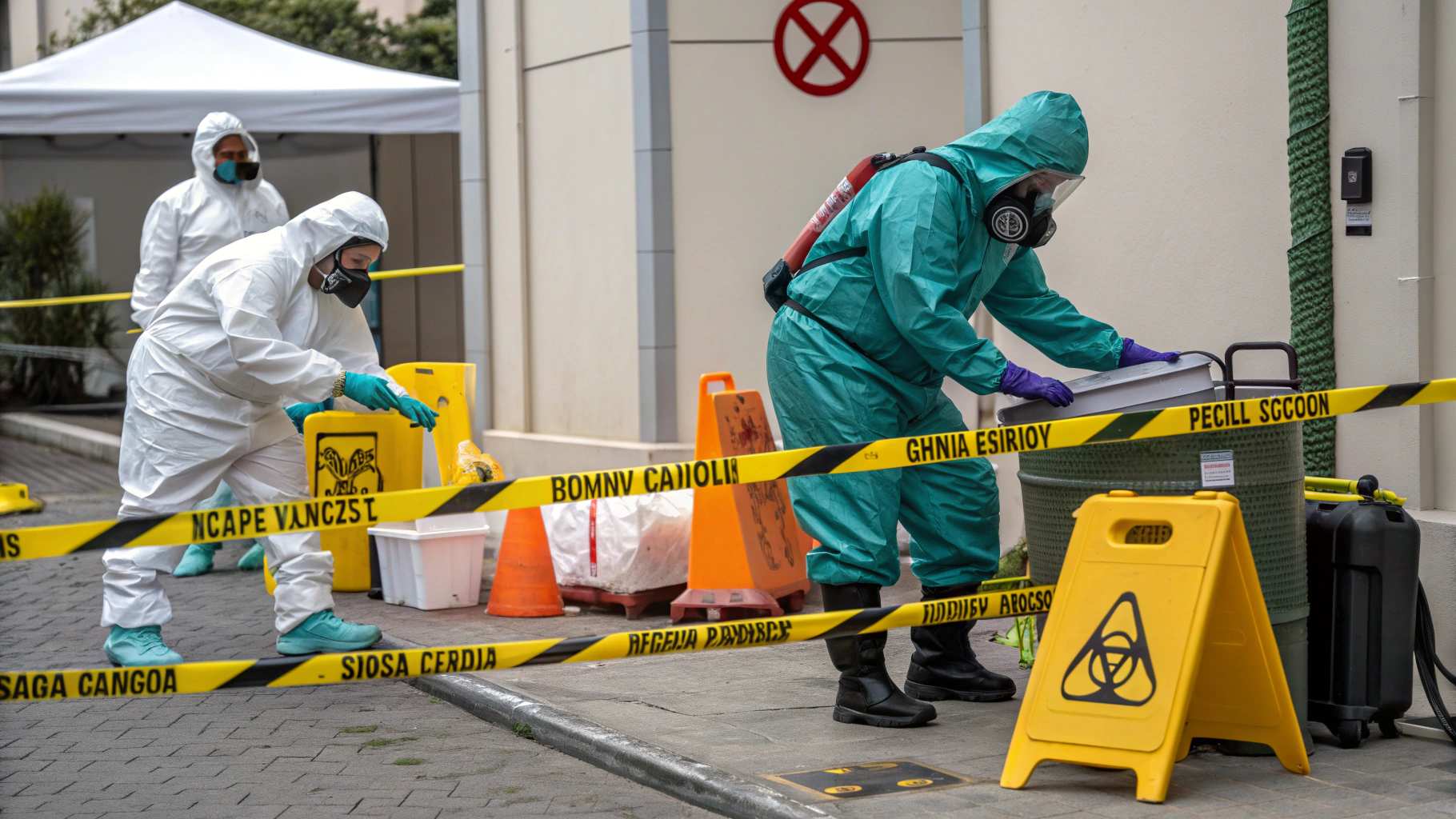
Preventing cross-contamination is one of the most complex parts of biohazard cleanup. Hazardous materials can spread far beyond the original area if they are not contained correctly. Professional cleanup teams rely on controlled workflows, physical containment, and careful movement to stop this spread. While the core principles remain consistent, the way they are applied can differ depending on property layouts and environmental factors in Raleigh and Cary.
–
Biohazard scenes are rarely as contained as they appear. What looks like a single affected room can quickly become a much larger problem if contaminants are allowed to travel unchecked. Airflow, foot traffic, and shared surfaces all contribute to how quickly hazards move through a property.
This is why professional cleanup focuses as much on prevention as it does on removal. Stopping contamination from spreading requires planning before the first surface is cleaned. The methods used are deliberate, technical, and shaped by the structure of the property and its surroundings.
This process goes far beyond surface-level cleaning. During biohazard cleanup Raleigh NC, professionals design containment strategies that protect unaffected areas while allowing thorough remediation of the impacted space. Every step is structured to control movement, airflow, and disposal from start to finish.
Cross-contamination occurs when hazardous material transfers from the original site to clean areas. This can happen through airborne particles, physical contact, or improper handling of waste and tools. Because these materials are often invisible, spread can occur without immediate signs.
Air currents created by doors, fans, or HVAC systems can carry particles into adjacent rooms. Movement between spaces also plays a role, as shoes, clothing, and equipment can unintentionally transfer contaminants across surfaces.
When containment is not established, cleanup efforts can make the situation worse. Wiping or scrubbing without isolation may spread residue, while uncontrolled disposal increases exposure risks for others in the space. The U.S. Environmental Protection Agency (EPA) outlines that effective cleanup and remediation depend on controlled containment, structured removal methods, and proper waste handling to prevent hazardous materials from spreading beyond the affected area.
Standard cleaning products and tools are not designed to manage biological hazards. They lack the ability to filter airborne particles, seal porous materials, or handle regulated waste safely.
Raleigh properties often include older homes, split-level layouts, and mixed-use buildings. These features require careful containment planning to protect stairwells, shared walls, and connected spaces.
Professionals establish designated zones before cleanup begins. Affected areas are sealed, clean areas are protected, and access points are limited so movement follows a controlled path.
Negative air pressure and air filtration systems are positioned to pull contaminants away from clean zones. Equipment placement is intentional, ensuring airflow supports containment rather than disrupting it.
Cary properties often feature newer construction, townhomes, and closer residential spacing. These environments introduce different challenges related to shared ventilation and proximity.
Cleanup teams take steps to isolate shared walls, vents, and hallways. Extra precautions help prevent contamination from crossing into neighboring units or common areas.
Waste removal is planned in advance. Designated exit routes protect interior spaces, while exterior safeguards prevent contamination from spreading to driveways or entry points.
Containment systems only work when technician behavior supports them. Professionals follow strict movement protocols throughout the cleanup.
Protective gear is changed at specific stages to prevent carryover. PPE removal follows a sequence that limits exposure when transitioning between zones.
Tools used in contaminated areas are isolated. They are either decontaminated properly or disposed of, ensuring they are never reused in clean spaces.
Preventing cross-contamination during biohazard cleanup depends on preparation, containment, and disciplined execution. While the principles remain consistent, professionals adapt their approach based on layout, access, and environmental factors. In areas like Cary, where shared spaces and modern construction are common, biohazard cleanup Cary NC requires strategies that account for interconnected systems and close proximity to ensure surrounding areas remain unaffected.
Q1. Why is cross-contamination such a concern during biohazard cleanup?
A: Because hazardous material can spread invisibly, creating risks beyond the original site.
Q2. Can contamination spread even after visible cleanup appears complete?
A: Yes. Residue can remain in the air or on surfaces without proper containment and verification.
Q3. How do professionals confirm contamination has been controlled?
A: They follow structured cleanup protocols and conduct final inspections before removing containment.

