
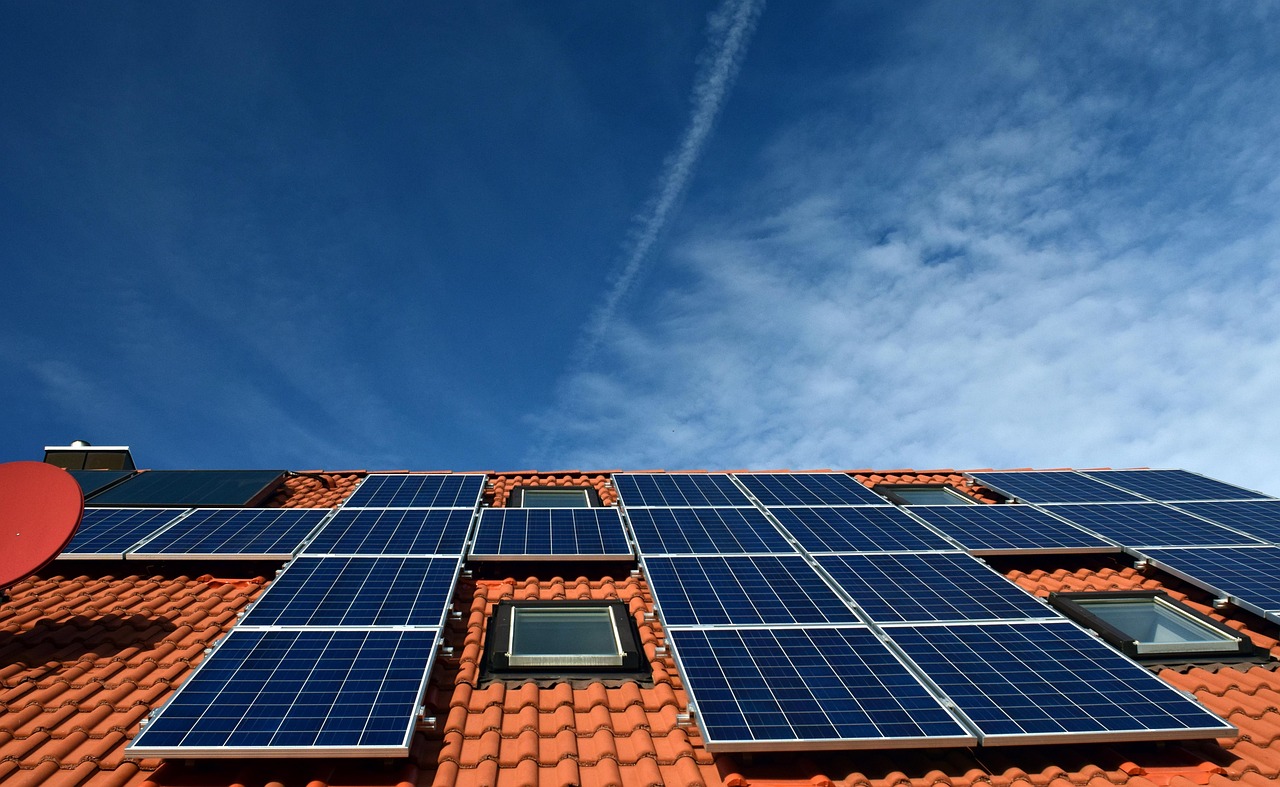
Solar Glass Panels Advancing Sustainable Energy Solutions
Solar glass panels are an innovative technology that integrates solar energy generation directly into building windows and facades. Unlike traditional bulky solar panels, these panels are transparent or semi-transparent, allowing natural light to pass through while capturing energy from sunlight. This dual functionality makes solar glass panel a practical solution for turning everyday architectural elements into clean energy sources without altering a building’s appearance.
They work by harvesting energy from ultraviolet and infrared light, invisible to the human eye, while maintaining clarity in the visible spectrum. This ability to generate electricity from windows adds new possibilities for energy efficiency in urban environments where space is limited. Advances in energy storage integration further enhance their reliability by storing excess power for later use.
As the adoption of solar glass panels grows, they offer a way to reduce electricity costs and contribute to sustainability goals without sacrificing design flexibility. Their potential to transform building surfaces into energy generators is setting a new standard for renewable energy in construction.
Understanding Solar Glass Panels
Solar glass panels combine energy generation with building design flexibility. Their materials, technology types, and operational principles affect efficiency, durability, and integration possibilities in architecture.
What Are Solar Glass Panels?
Solar glass panels are photovoltaic modules that use specially treated glass as either a protective or structural component. Unlike traditional panels with plastic backsheets, many use dual glass layers to safeguard solar cells. This glass-glass design improves durability and increases lifespan by shielding against environmental factors.
The glass used is typically low-iron and highly transparent, allowing more sunlight to reach the solar cells. This clarity enhances energy production by reducing any tint or fogginess. Solar glass panels can vary in size and shape to fit residential, commercial, or architectural applications seamlessly.
Types of Solar Glass Technology
There are two primary solar glass panel types: mono-glass and glass-glass. Mono-glass panels combine one glass layer with a backsheet foil, making them lighter with moderate durability. Glass-glass panels feature two layers of glass, enhancing robustness and resistance to weather, impact, and fire.
Another technology includes photovoltaic glass, which integrates transparent solar cells directly into building windows or façades. These panels generate electricity without disrupting aesthetics. Some smart solar glass panels add self-monitoring capabilities to track energy output and efficiency in real time.
How Solar Glass Panels Work
Solar glass panels operate by allowing sunlight through the glass to reach photovoltaic cells underneath, which convert light into electricity. The glass’s transparency and low iron content optimize the light transmission, maximizing energy extraction.
In glass-glass panels, the dual glass layers enclose the cells, providing mechanical strength and protection against moisture and dust. This design also stabilizes the panel, maintaining performance over time. Additionally, some panels integrate energy storage solutions to store excess power for use during low sunlight periods, improving reliability.
Benefits and Applications
Solar glass panels offer distinct advantages, including improved energy collection and design flexibility. Their adaptability enables diverse applications, from residential windows to large commercial facades, while contributing to environmental goals.
Energy Efficiency Advantages
Solar glass panels integrate photovoltaic cells directly into transparent or semi-transparent glass. This design allows them to generate electricity without blocking natural light, improving building energy efficiency. They typically show higher durability and longer lifespan than traditional panels due to their glass-on-glass structure, reducing maintenance needs.
The glass surface enhances sunlight capture and protects cells from environmental degradation, maintaining stable energy output over time. Some models use advanced cell technology like TOPCon, boosting conversion rates and performance. These features make solar glass panels a viable choice for consistent, clean energy generation in various climates.
Residential and Commercial Uses
These panels are increasingly popular in both homes and businesses. In residences, solar glass can replace conventional windows, skylights, or facades, allowing homeowners to reduce electricity costs and dependence on the grid without sacrificing aesthetics.
Commercial buildings benefit from integrating solar glass into curtain walls and rooftops, supporting energy self-sufficiency while enhancing architectural design. Flexible versions of solar glass adapt to curved surfaces, expanding possibilities in modern construction. Installation versatility helps developers meet energy codes and sustainability certifications more easily.
Sustainability Impact
Solar glass panels contribute to reducing carbon footprints by generating renewable electricity on-site. Their ability to transform building elements into power sources minimizes the need for additional land or solar infrastructure.
By combining energy production with structural components, they lower material consumption and waste compared to separate installations. Moreover, the panels’ durability extends system lifespan, prompting fewer replacements. This aligns with long-term environmental goals and sustainability standards in urban development.
Related Post
Commercial Roofing Contractors Miami – Trusted Experts for Durable & Affordable Roofing Solutions
Introduction Miami is one of the most demanding cities in the United States when…