
How Mobile App Development Services Use the Right Platforms to Build High-Performance Apps
When people talk about mobile apps, performance usually comes up after design. That’s a mistake I see often. In real projects, performance problems almost always trace back to one early decision the platform. This is why teams that offer serious mobile app development services spend a surprising amount of time just discussing what the app should be built on before writing a single line of code.
Users don’t analyze frameworks. They just feel the result. If an app opens slowly, stutters while scrolling, or freezes during basic actions, trust is lost immediately. No marketing campaign fixes that. Performance is not a feature; it is the baseline.
What a “Platform” Actually Controls
A development platform does more than help you write code. It decides how your app talks to the phone’s hardware, how memory is managed, how animations are rendered, and how data flows between the app and the server.
Two apps can look identical on the surface and behave very differently underneath. One feels smooth and responsive. The other feels heavy. The difference is usually not the developer’s effort it’s the platform’s architecture.
That’s why platform choice becomes even more important as apps grow. Early shortcuts tend to show up later as crashes, slow updates, or painful rewrites.
Native Development: Still the Performance Benchmark
Native platforms exist for one simple reason: they work directly with the operating system instead of around it.
On Android, native apps are built using tools designed specifically for Android’s runtime environment. This means better memory handling, smoother background tasks, and more predictable behavior across devices. Apps that rely on location tracking, real-time updates, or heavy processing usually benefit from this approach.
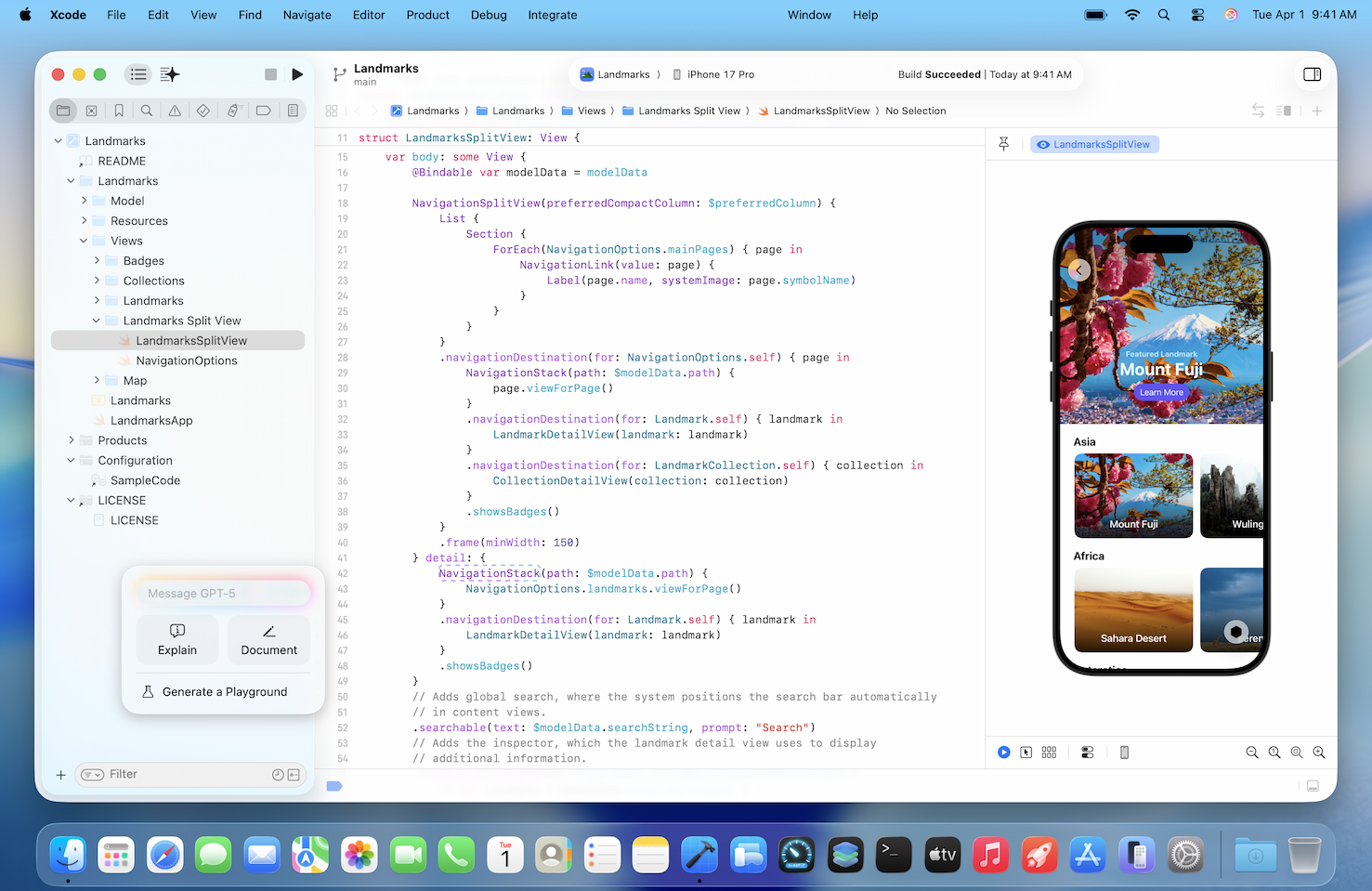
On iOS, native development follows a similar philosophy. Apple’s ecosystem is tightly controlled, and native apps integrate cleanly with system-level optimizations. The result is consistency. Animations feel natural, gestures behave as expected, and performance remains stable even as features are added.
Native development is rarely the fastest path to launch, but it is often the most reliable path to scale.
Cross-Platform Frameworks: Faster Builds, Smarter Trade-Offs
Cross-platform tools exist because not every app needs full native depth. Many businesses want to launch quickly, validate ideas, and iterate without maintaining two separate codebases.
This is where modern frameworks changed the conversation.
Some frameworks translate shared code into native components, which helps maintain performance while reducing development effort. Others control rendering themselves, giving consistent visuals across devices while keeping interactions responsive.
In practice, well-built cross-platform apps perform far better than most people expect. For many products, especially customer-facing ones with frequent updates, this balance is enough.
This is also why companies offering application development services increasingly recommend cross-platform solutions for MVPs, SaaS tools, and content-driven apps.
Hybrid Platforms: Useful, but Context Matters
Hybrid platforms are often misunderstood. They are not “bad,” but they are not universal solutions either.
These platforms wrap web-based applications inside native containers. This approach works best when the app is essentially a mobile extension of a website. Dashboards, internal tools, booking systems, and informational apps often fall into this category.
Where hybrid apps struggle is heavy animation, complex gestures, or advanced hardware usage. When expectations are realistic, hybrid platforms can still deliver solid results.
Progressive Web Apps: Performance Without Installation
Progressive Web Apps sit in an interesting space. They don’t live in app stores, yet they behave like apps in many ways. Fast loading, offline access, push notifications, these features make PWAs surprisingly effective.
For businesses focused on reach rather than device-level control, PWAs solve a real problem. They reduce friction. Users don’t need to install anything, yet they still get a smooth experience.
They are not replacements for native apps, but for certain use cases, they are more than enough.

Backend Choices Matter More Than People Think
Frontend performance often gets all the attention, but backend decisions quietly decide whether an app survives growth.
Slow APIs, poor database design, or inefficient authentication systems will make even the best frontend feel broken. This is why experienced teams consider backend compatibility when selecting platforms.
Scalability, caching, and monitoring are not optional features anymore. They are part of performance.
Choosing a Platform Is a Business Decision
The “best” platform doesn’t exist in isolation. It depends on what the app is meant to do and how long it needs to live.
If the app is central to your business model, cutting corners early usually costs more later. If the app supports an existing service, flexibility may matter more than raw performance.
The mistake is choosing a platform because it’s popular instead of because it fits the problem.
Why Execution Still Matters More Than Tools
Even the right platform can produce a poor app if used carelessly. Performance comes from decisions made during development, how data is fetched, how screens are structured, how updates are handled.
Good teams test continuously. They profile performance. They fix small issues before users ever notice them. That discipline matters more than the framework itself.
This is where professional mobile app development services prove their value, not in promises, but in process.
Where Platforms Are Headed Next
Development platforms are becoming smarter. AI-assisted debugging, automated performance monitoring, and predictive testing are already shaping workflows.
The goal is clear: fewer surprises after launch. Platforms are slowly shifting from “build tools” to “lifecycle tools,” helping teams maintain performance long after deployment.
Final Perspective
High-performance apps are not accidents. They are the result of deliberate platform choices, realistic expectations, and disciplined execution.
The platform is not just a technical preference. It’s a long-term commitment. Choose it carefully, build thoughtfully, and performance will follow naturally.
Frequently Asked Questions
Which mobile app development platform offers the best performance?
Native platforms such as Android Studio and Xcode deliver the highest performance because they are optimized for specific operating systems. However, modern cross-platform solutions like Flutter and React Native now offer performance levels suitable for most business applications.
Are cross-platform apps suitable for large-scale applications?
Yes, many large-scale applications successfully use cross-platform frameworks. The key lies in proper architecture design, performance optimization, and choosing the right framework based on app complexity.
How does platform choice impact app maintenance?
The platform determines how easily updates, bug fixes, and feature enhancements can be implemented. Cross-platform platforms simplify maintenance by using a single codebase, while native platforms may require separate updates for each operating system.
Can PWAs replace native mobile apps?
PWAs are excellent for certain use cases but may not fully replace native apps for applications requiring advanced hardware integration or high-end graphics performance.
Related Post

Advanced Commercial AV & Security Systems by Richmond AV
In today’s fast-paced business environment, having reliable technology is no longer a luxury—it’s a necessity.…