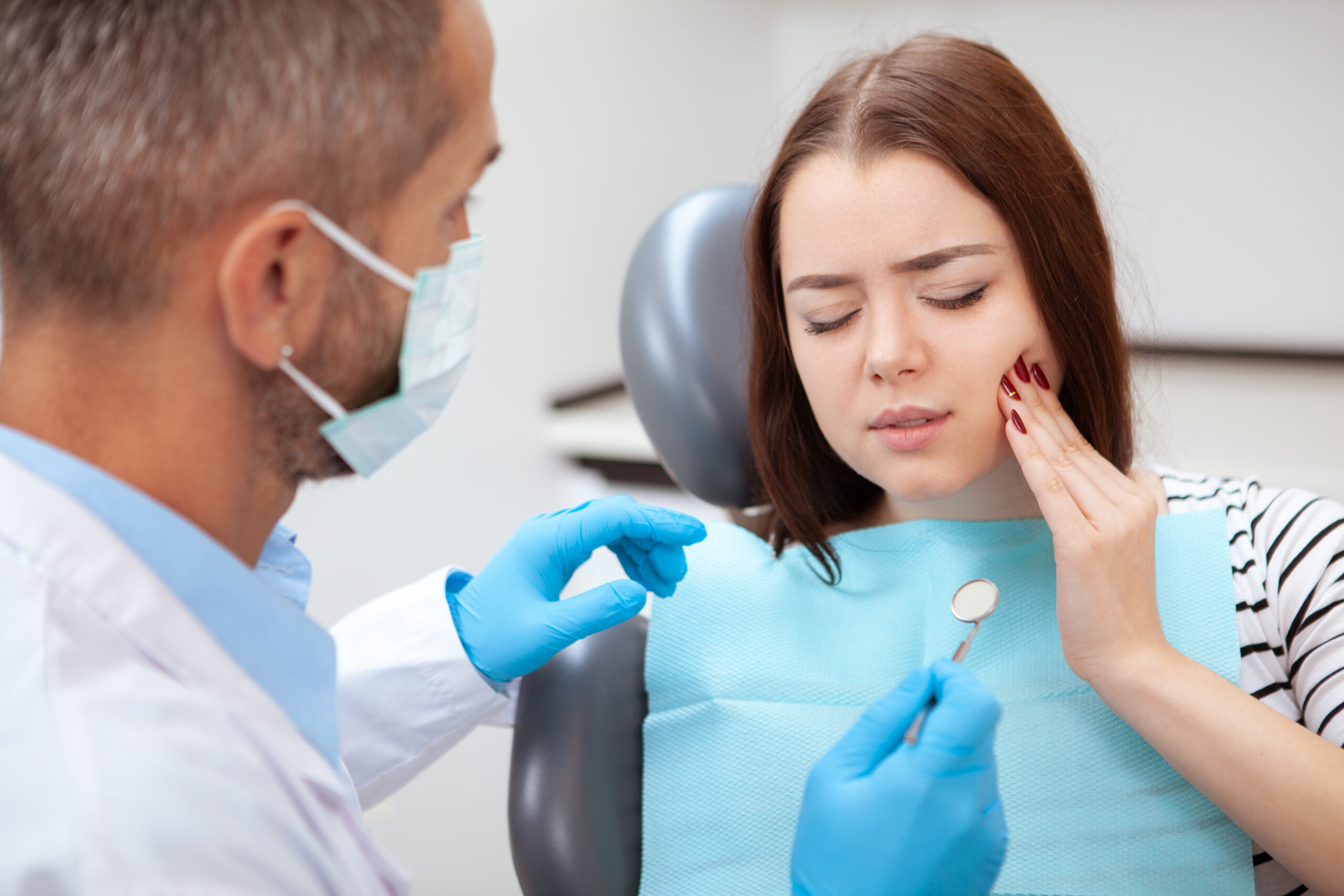
Is Stress Causing You to Grind Teeth and Damage Your Smile?
Teeth grinding, medically known as bruxism, is a common issue that affects millions of adults worldwide. Many people are unaware that stress and anxiety are significant contributors to this habit. While it might seem harmless at first, chronic grinding can silently damage your teeth, jaw, and overall smile. Understanding the causes, signs, and preventive measures can help protect your oral health and maintain a confident smile.In this blog, we explore the link between stress and teeth grinding, the consequences of ignoring it, and practical steps to address the problem.
1. Understanding Teeth Grinding
Bruxism occurs when the jaw muscles clench or grind teeth, often unconsciously. It can happen during the day or at night, and the causes vary from lifestyle factors to underlying medical conditions.
Types of Teeth Grinding:
- Daytime grinding often linked to stress, anxiety, or concentration habits.
- Night-time grinding usually occurs during sleep and may be associated with sleep disorders or subconscious stress.
Common Causes:
- High stress or anxiety levels
- Misaligned teeth or bite issues
- Sleep disorders such as sleep apnea
- Lifestyle factors such as excessive caffeine or alcohol
Signs of teeth grinding include:
- Jaw soreness or tension
- Headaches, particularly in the morning
- Worn or flattened teeth
- Increased tooth sensitivity
Early recognition of these signs is crucial to prevent long-term dental problems.
2. How Stress Triggers Teeth Grinding
Stress can have a profound effect on the body, and bruxism is one of its hidden consequences. When stressed, your body produces higher levels of cortisol, which can increase muscle tension, including in your jaw. This tension often manifests as teeth grinding, especially at night when you are unaware of it.
Key ways stress contributes to grinding:
- Work pressure: Deadlines and high expectations can increase muscle tension.
- Personal life stressors: Relationship difficulties or financial worries may exacerbate clenching.
- Sleep disturbances: Poor sleep quality often leads to unconscious grinding during the night.
By identifying stress triggers, you can take proactive steps to manage your mental health and reduce the risk of dental damage.
3. Signs That Stress Is Affecting Your Smile
Recognising the effects of stress on your teeth is essential for early intervention. If left unaddressed, grinding can lead to serious dental problems.
Symptoms of stress-related teeth grinding include:
- Worn, chipped, or flattened teeth
- Tooth sensitivity or pain
- Jaw soreness, clicking, or stiffness
- Headaches, especially in the temples
- Temporomandibular joint (TMJ) discomfort
Self-Check Tips:
- Listen for clicking or popping sounds when opening or closing your mouth.
- Check your teeth for unusual wear patterns or enamel loss.
- Monitor for increased headaches or jaw tension upon waking.
Early detection allows for effective intervention, preventing more severe dental complications and preserving your smile.

4. Consequences of Ignoring Bruxism
Ignoring teeth grinding can lead to long-term dental and health issues. The damage may not be immediately visible, making it easy to underestimate the seriousness of bruxism.
| Short-Term Effects | Long-Term Effects |
| Jaw soreness and headaches | Cracked or fractured teeth |
| Tooth sensitivity | Severe enamel erosion |
| TMJ discomfort | Chronic jaw pain and misalignment |
| Sleep disruption | Increased risk of gum problems |
Additionally, emotional impacts such as frustration over dental issues and anxiety about oral health may arise, further perpetuating the stress cycle. Ignoring bruxism can also affect overall wellbeing, as chronic pain and discomfort may interfere with daily activities, work, and social interactions.
5. Solutions and Preventive Measures
Addressing stress-related teeth grinding requires a combination of lifestyle changes, stress management, and dental intervention.
Stress Management Techniques:
- Practise meditation or mindfulness exercises to reduce anxiety.
- Engage in regular physical activity to relieve tension.
- Maintain adequate sleep routines and establish a relaxing bedtime ritual.
Dental Interventions:
- Custom night guards: Protect teeth from further damage during sleep.
- Corrective dental treatments: Address bite misalignment or uneven teeth.
- Professional guidance: Dentists specialising in tooth grinding Birmingham can assess damage and recommend tailored solutions.
Lifestyle Adjustments:
- Reduce caffeine and alcohol intake, particularly in the evening.
- Perform jaw relaxation exercises to release tension.
- Schedule regular dental check-ups to monitor oral health.
By combining these approaches, you can effectively reduce the harmful effects of stress on your teeth and maintain a healthy, confident smile.
6. When to Consult a Dentist
While some teeth grinding can be mild and manageable, persistent bruxism should be evaluated by a dental professional. Severe cases may require intervention to prevent permanent damage.
Reasons to see a dentist:
- Consistent jaw pain or discomfort
- Noticeable wear or chipping of teeth
- Difficulty chewing or opening the mouth
- Headaches linked to jaw tension
Dentists experienced in dental implant Birmingham can also advise on restorative solutions if teeth have already been damaged, ensuring your smile remains functional and aesthetically pleasing.

Lifestyle Habits That Worsen Teeth Grinding
Certain daily habits can aggravate bruxism, increasing stress on your teeth and jaw. Identifying and modifying these behaviours is key to reducing damage.
Habits That Contribute to Teeth Grinding:
- Excessive caffeine can increase nervous system activity, leading to jaw clenching.
- Alcohol consumption may relax throat muscles but increase nighttime grinding.
- Smoking nicotine stimulates nerves and can worsen bruxism.
- Poor posture sitting with a forward head or tense shoulders strains jaw muscles.
Tips to Minimise Risk:
- Limit coffee and alcohol intake, especially in the evening.
- Maintain good posture during work and rest.
- Incorporate relaxation exercises and deep breathing into your routine.
By addressing these lifestyle factors, you can reduce stress on your teeth and support long-term oral health.
Conclusion
Stress-induced teeth grinding is more than a minor nuisance; it can lead to significant dental damage if not addressed. From jaw soreness and headaches to worn enamel and TMJ issues, the effects are both physical and emotional. Taking steps to manage stress, adopting preventive dental measures, and consulting professionals can safeguard your oral health. At Smilo Dental Implant Birmingham, we provide comprehensive care to help patients protect their teeth and maintain a healthy, confident smile. Whether it’s through preventive solutions, restorative treatments, or personalised guidance, our team ensures your dental journey is as stress-free and effective as possible.
Related Post
How Dental Hygienists Protect More Than Just Your Smile Health
A bright, healthy smile is often the first thing people notice, but the role of…