
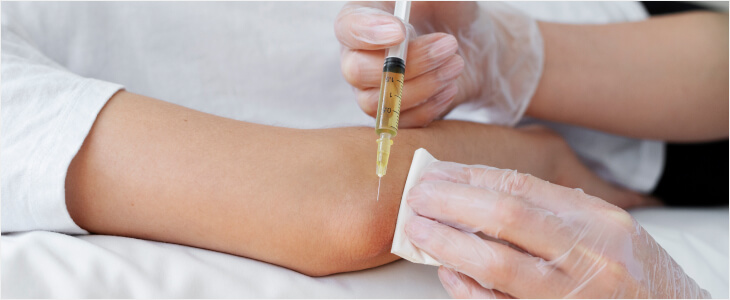
Professional Joint Injections for Healthy, Strong Joints
Maintaining healthy joints is essential for mobility, comfort, and an active lifestyle. Joint Injections have emerged as a trusted, minimally invasive solution to relieve pain, improve joint function, and support long term joint health. At SF Aesthetic Medspa, patients in Bourbonnais IL and surrounding areas benefit from advanced injection therapies tailored to reduce discomfort, improve mobility, and enhance overall quality of life.
Understanding Joint Injections
Joint injections are a medical procedure where therapeutic substances are delivered directly into the joint space. These treatments are commonly used to address pain, inflammation, or stiffness caused by conditions like arthritis, tendonitis, or injuries.
In Bourbonnais IL, joint injections are gaining popularity due to their effectiveness in managing chronic pain and promoting joint health without the need for surgery. Patients experience noticeable relief, increased flexibility, and improved daily function.
Types of Joint Injections
Corticosteroid Injections
Corticosteroids are powerful anti-inflammatory agents that help reduce swelling and relieve pain. They are often recommended for conditions such as osteoarthritis, rheumatoid arthritis, or bursitis.
Hyaluronic Acid Injections
Hyaluronic acid works as a lubricant, improving joint mobility and cushioning cartilage. These injections are commonly used in the knee and hip joints to relieve discomfort associated with degeneration or injury.
Platelet Rich Plasma (PRP) Therapy
PRP injections use the patient’s own blood components to promote tissue healing and reduce inflammation. This therapy accelerates recovery and improves joint function naturally.
Combination Treatments
Some patients benefit from combining corticosteroids, hyaluronic acid, or PRP for enhanced pain relief and improved joint health outcomes.
How Joint Injections Work
The process begins with a thorough evaluation by a medical professional to identify the affected joint and determine the most appropriate injection type. The skin is cleaned, and the injection is administered directly into the joint space using a fine needle.
Once delivered, the medication works to:
- Reduce inflammation and swelling
- Provide pain relief
- Improve lubrication and mobility
- Stimulate tissue healing in the case of PRP injections
Most patients notice immediate relief from pain and improved movement, with long term benefits realized over several weeks.
Benefits of Joint Injections
Joint injections offer numerous advantages over traditional oral medications or surgery.
- Targeted Relief
By delivering medication directly to the affected joint, injections provide fast and localized relief. - Non Surgical Option
Joint injections are minimally invasive, making them ideal for patients who want to avoid surgical risks and extended recovery periods. - Improved Mobility
Relief from pain and inflammation allows patients to regain normal movement and engage in daily activities comfortably. - Customizable Treatment
Providers can tailor injection type and frequency based on individual needs, joint condition, and overall health. - Long Term Joint Health
Certain injections, like PRP or hyaluronic acid, support cartilage health and may slow joint degeneration over time.
Common Conditions Treated with Joint Injections
Osteoarthritis
Joint injections are highly effective for reducing inflammation, pain, and stiffness in osteoarthritic joints, particularly the knees, hips, and shoulders.
Rheumatoid Arthritis
For autoimmune related joint inflammation, corticosteroid injections help alleviate pain and improve function temporarily.
Sports Injuries
Injuries like tendonitis or ligament strains benefit from targeted injections that reduce pain and accelerate recovery.
Chronic Joint Pain
Patients with persistent joint discomfort, whether from overuse or degeneration, can achieve relief through regular, supervised injections.
Safety and Considerations
Joint injections are generally safe, especially when performed by experienced professionals. Minor side effects may include temporary swelling, bruising, or mild discomfort at the injection site. Rare complications include infection or allergic reactions, which is why proper technique, sterilization, and patient assessment are critical.
Before undergoing treatment, providers review the patient’s medical history, current medications, and any allergies to ensure safety and optimal outcomes.
What to Expect During and After Treatment
The injection procedure is typically quick, often taking less than 30 minutes. Patients can usually return to normal activities immediately, although strenuous exercise may be restricted for a short period.
After treatment:
- Pain relief may be felt immediately or over a few days.
- Swelling or mild tenderness at the injection site is normal.
- Follow up visits help monitor effectiveness and determine if additional injections are needed.
Who Can Benefit from Joint Injections
Ideal candidates include:
- Individuals experiencing chronic joint pain from arthritis or injury
- Patients looking for non surgical options to improve joint function
- Athletes needing faster recovery from joint injuries
- Older adults seeking relief from age related joint stiffness
Joint injections can be tailored for different ages and activity levels, ensuring safe and effective results.
Lifestyle and Maintenance After Joint Injections
To maximize the benefits of joint injections:
- Maintain a healthy weight to reduce joint stress
- Engage in low impact exercises like swimming or cycling
- Follow any physical therapy or exercise programs recommended by your provider
- Avoid overloading or straining treated joints during recovery
These steps help prolong the effects of injections and maintain overall joint health.
Common Misconceptions About Joint Injections
- Painful Procedure: Most injections involve minimal discomfort, with numbing agents used if needed.
- Temporary Relief Only: While some treatments provide short term relief, therapies like PRP or hyaluronic acid offer long term joint support.
- Only for Seniors: Joint injections benefit patients of all ages, including athletes and younger adults with injuries.
Conclusion
Joint Injections are a safe, effective, and minimally invasive solution for individuals seeking relief from chronic joint pain, improved mobility, and long term joint health. In Bourbonnais IL, patients at SF Aesthetic Medspa experience personalized treatment plans, advanced techniques, and compassionate care that restore comfort, function, and quality of life.
By targeting pain at its source, promoting tissue healing, and supporting cartilage health, professional joint injections help patients remain active, independent, and pain free without the need for surgery.
FAQs
Q1: Are joint injections safe?
Yes. When performed by trained professionals, they are safe with minimal risks.
Q2: How long do the effects last?
Depending on the injection type, results can last from several weeks to months. PRP or hyaluronic acid may provide longer term benefits.
Q3: Is the procedure painful?
Most patients feel only mild discomfort, which is brief and manageable.
Q4: How many injections will I need?
The number of injections depends on the condition, severity, and response to treatment. Follow up evaluations determine frequency.
Q5: Can joint injections replace surgery?
In many cases, injections provide effective relief without surgery. However, severe joint damage may still require surgical intervention.
Related Post

Beyond the Surface: How Traditional Chinese Medicine Resolves the Root of Chronic Pain
Chronic pain is more than an inconvenience; it is a disruptive force that can stall…