Lifeguard Course: Step-by-Step Guide to Successfully Complete a Lifeguard Course
A lifeguard course is essential for maintaining safety at pools, beaches, waterparks, camps, and aquatic facilities. It prepares lifeguards to prevent drowning, respond quickly to emergencies, and provide lifesaving care such as CPR, AED use, and first aid. Most lifeguard course programs combine classroom instruction with hands-on water rescue practice to build real-world confidence and professional readiness.
Summary: A lifeguard course teaches scanning and supervision, water rescue techniques, CPR/AED, first aid, spinal injury response, and emergency action plans. Most programs begin with a swim pre-test and end with written and practical assessments. Completing a lifeguard certification course earns you certification—typically valid for two years—and helps you become job-ready, confident, and compliant with safety standards.
Many students search lifeguard course near me or enroll in a lifeguard training course to qualify for employment in aquatic facilities. Whether you’re training for your first lifeguard job or strengthening your emergency response skills, completing the right lifeguard course is a major step toward becoming a trusted safety professional.
This guide will walk you through the exact steps to successfully complete a lifeguard course and maintain your readiness long after certification.
Understanding a Lifeguard Course: Why It Matters
A lifeguard course plays a critical role in preventing drowning and reducing injury risks. Aquatic emergencies can happen quickly and silently, often without warning. Lifeguards must be ready to recognize distress early, enforce safety rules, and respond within seconds.
A strong lifeguard course focuses on prevention first. Lifeguards learn proper scanning techniques, hazard recognition, and how to reduce risk through active supervision. When emergencies occur, training ensures you can perform rescues and provide emergency medical care with confidence.
Benefits of a Lifeguard Course
• Keeps rescue skills current and effective
• Builds confidence and calm response under pressure
• Ensures compliance with aquatic safety standards
• Improves scanning and supervision ability
• Increases job eligibility and professional credibility
Completing a lifeguard course is not just a requirement—it’s a commitment to public safety.
When Should You Take a Lifeguard Course?
Timing for a lifeguard course depends on your employment goals and local hiring seasons. Many lifeguards complete training before summer because pools, camps, and waterparks begin hiring early. Taking your lifeguard course early also gives you time to practice swimming and prepare for exams.
Most programs require participants to meet a minimum age requirement (often 15). If you’re aiming for a job, it’s best to complete your lifeguard certification course before your area starts hiring.
Important Timing Tips
• Enroll before peak hiring season
• Confirm minimum age requirements
• Plan ahead to avoid full classes
• Practice swimming early for better performance
Starting early improves confidence and increases your chances of getting hired quickly.
Prerequisites and Eligibility for a Lifeguard Course
Before joining a lifeguard course, you must meet eligibility requirements. These prerequisites ensure trainees are physically capable of completing rescue drills and handling real rescue situations.
Most programs require strong swimming ability and completion of a pre-course swim test. This ensures that trainees have the physical foundation needed for effective lifeguarding.
Common Lifeguard Course Prerequisites
• Minimum age requirement (often 15+)
• Strong swimming ability
• Completion of a pre-course swim test
• Deep-water comfort and endurance
• Physical readiness for rescue drills
Meeting eligibility requirements early ensures a smooth path to certification.
Choosing the Right Lifeguard Course Program
Selecting the right lifeguard course is important because training programs may vary depending on the environment. Some courses focus on pool lifeguarding, while others prepare you for beach or open-water environments.
When choosing a program, look for a course recognized by employers and that includes hands-on training. High-quality programs include CPR AED training for lifeguards, first aid certification, and scenario-based rescue practice.
Key Factors to Consider
• Course format (in-person, blended learning)
• Provider reputation and recognition
• Training environment (pool vs open water)
• Instructor experience and qualifications
• Course schedule and total training hours
Choosing the right lifeguard course ensures you learn the skills needed for the type of lifeguard job you want.
Preparing for Your Lifeguard Course: Study and Practice Tips
Proper preparation is key to completing a lifeguard course successfully. Many students struggle because they underestimate fitness requirements or don’t review CPR steps ahead of time. Preparing early improves confidence and performance.
Start by swimming regularly and building endurance. Focus on treading water and deep-water comfort. Reviewing basic CPR and first aid concepts helps you learn faster during class sessions.
Study Tips for a Lifeguard Course
• Review CPR and first aid procedures
• Learn drowning recognition and scanning rules
• Understand emergency action plans
• Read course materials before training begins
Practice Tips for Success
• Swim regularly to build endurance
• Practice treading water longer each week
• Improve strength for victim transport
• Rehearse rescue steps and entries
Consistency reduces stress and increases success during assessments.
What to Expect During the Lifeguard Course Process
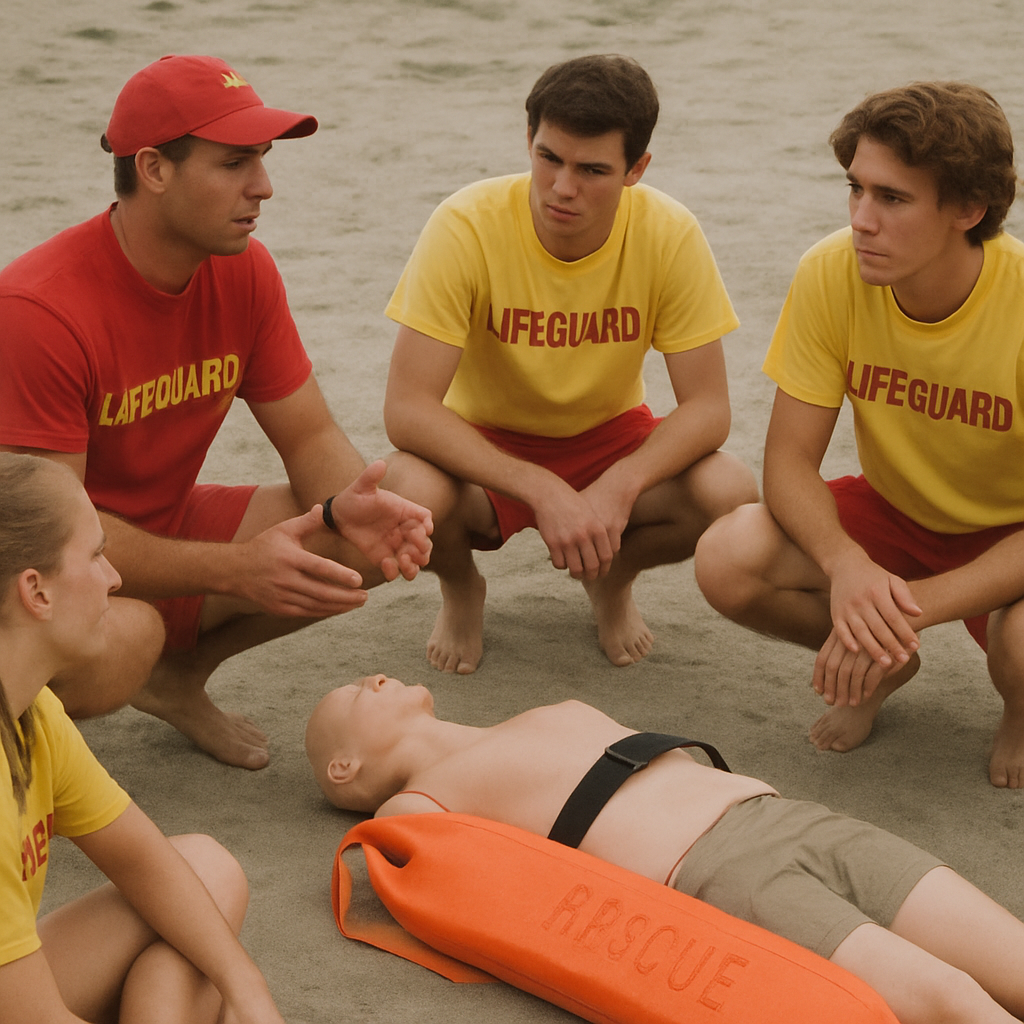
A lifeguard course includes both classroom education and in-water skill development. You will learn how to prevent emergencies, respond to active and passive drowning victims, and perform safe removals.
Training includes structured testing and instructor feedback. You will participate in rescue scenarios, CPR/AED practice, first aid drills, and teamwork exercises to simulate real emergencies.
Typical Elements of a Lifeguard Course
• Swim and skill evaluations
• Written exam on safety protocols
• CPR and first aid review
• Water rescue and removal drills
• Scenario-based emergency response training
Use instructor feedback to improve technique, communication, and confidence.
Key Skills and Knowledge Areas Covered in a Lifeguard Course
A lifeguard course goes beyond rescues. It includes prevention, supervision, emergency planning, and medical response. Lifeguards must stay alert and ready at all times.
Rescue skills include active rescues, passive rescues, spinal injury management, and victim transport. Medical training includes CPR, AED use, and first aid for injuries and illnesses.
Essential Lifeguard Skills
• Water rescue techniques
• Swim endurance and victim transport
• Scanning and surveillance procedures
• Emergency action plan response
Knowledge Areas Covered
• CPR/AED protocols
• First aid procedures
• Emergency response strategies
• Safety enforcement and hazard prevention
These skills ensure lifeguards can respond effectively to real emergencies.
Written Exams and Practical Assessments: How to Succeed
Most lifeguard courses require passing both written and practical assessments. The written test checks understanding of safety rules, scanning, and emergency procedures. Practical testing confirms you can perform rescues, CPR/AED, and first aid correctly.
Tips for Success
• Study consistently throughout the course
• Practice rescue techniques frequently
• Stay calm and follow steps in order
• Ask for feedback and apply corrections
• Use mock tests to build confidence
Confidence grows through repetition and preparation.
CPR, First Aid, and Emergency Response Updates
CPR and first aid are essential parts of every lifeguard course because lifeguards often respond first during medical emergencies. Training includes updated techniques and realistic practice to ensure readiness.
Guidelines evolve over time, so lifeguard training includes the latest CPR sequences and first aid protocols. You’ll practice emergency response under pressure to improve speed and accuracy.
Key Focus Areas
• CPR and rescue breathing methods
• AED setup and safety procedures
• First aid for aquatic injuries
• Managing cardiac and respiratory emergencies
This training ensures lifeguards can provide effective care until EMS arrives.
Physical Fitness and Water Skills Requirements
Physical fitness is a core requirement in a lifeguard course because rescues require strength, stamina, and endurance. Courses often test swimming ability, treading water, and victim transport skills.
Focus Areas
• Endurance swimming
• Efficient rescue strokes
• Deep-water confidence
• Quick and safe victim transport
Fitness improves both performance and mental clarity under stress.
After a Lifeguard Course: Maintaining Your Skills and Certification
Completing a lifeguard course is the beginning of your responsibility. Lifeguards must maintain skills through ongoing practice. Regular drills reduce skill fade and increase confidence.
Best Ways to Maintain Skills
• Attend in-service training sessions
• Practice rescues and CPR monthly
• Stay updated on safety guidelines
• Track certification expiration dates
• Prepare early for lifeguard recertification
Maintaining skills keeps you ready, professional, and compliant with safety requirements.
Frequently Asked Questions About a Lifeguard Course
How Long Does a Lifeguard Course Take?
Most lifeguard course programs last 20–30 hours, depending on provider and format.
How Much Does a Course Cost?
Most programs range from $150 to $350, depending on location and training provider.
Can a Lifeguard Course Be Completed Online?
Some theory may be completed online, but skills testing and rescues must be completed in person.
What Happens If I Fail the Swim Test?
Many providers allow retesting. Practicing endurance and treading water improves your chances of success.
Quick Recap for Course Success
• Confirm requirements early
• Practice endurance swimming consistently
• Study CPR and first aid steps
• Stay calm during exams and follow procedures
Conclusion: Staying Prepared and Professional as a Lifeguard
A lifeguard course is not just a class—it’s a professional responsibility. It prepares you to prevent drowning, respond quickly, and provide lifesaving care. The skills you gain build confidence and readiness for emergencies that happen without warning.
By taking training seriously and practicing consistently, you strengthen your ability to protect lives and remain a trusted safety professional.
Author Bio
Benjamin Owen Leo is a water safety writer and lifeguard training content specialist focused on professional lifeguard education and drowning prevention. He creates people-first content that helps lifeguards understand certification, recertification, CPR/AED readiness, rescue techniques, first aid protocols, and compliance standards for aquatic facilities.
Must Visit: Green Field Hubs
Related Post

Leukorrhea Explained: Causes, Treatment Options, and Expert Care at Dr Monga
Vaginal health is an essential part of a woman’s overall well-being, yet many concerns remain…