
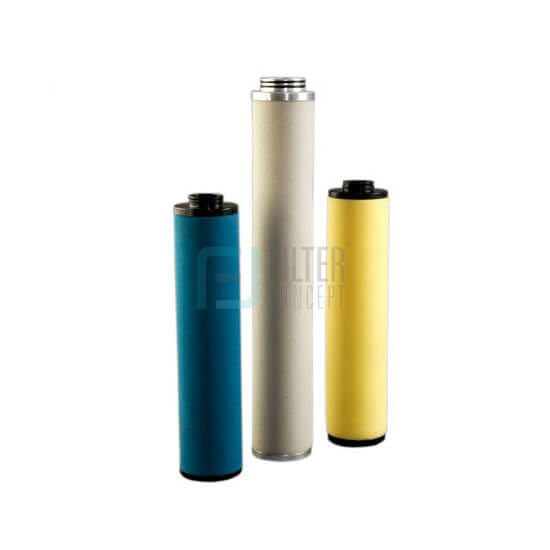
Compressed Air Filter: Guide to Clean, Efficient, and Reliable Air Systems
In industries where compressed air powers tools, machines, and processes, air quality plays a critical role. A Compressed Air Filter is not just an optional accessory—it is an essential component that protects equipment, improves performance, and ensures consistent output. Whether used in manufacturing plants, automotive workshops, food processing units, or medical facilities, compressed air filtration directly impacts efficiency, safety, and operational costs.
This blog explains what a compressed air filter is, why it is important, how it works, its different types, and how to choose the right one for your application.
What Is a Compressed Air Filter?
A Compressed Air Filter is a device installed in a compressed air system to remove contaminants such as dust, oil, moisture, rust particles, and microorganisms from the air. During the compression process, ambient air collects impurities that can damage equipment or affect product quality. The filter traps these unwanted elements and delivers clean, dry air suitable for specific applications.
Clean compressed air is especially important in industries where precision, hygiene, and reliability are non-negotiable.
Why Is a Compressed Air Filter Important?
Compressed air without proper filtration can cause serious operational issues. Contaminants present in unfiltered air may lead to corrosion, blockages, reduced tool life, and even safety hazards. A well-installed compressed air filter helps prevent these problems and ensures smooth system performance.
Key reasons why compressed air filters are essential include:
- Protection of pneumatic tools and machinery
- Improved efficiency and reduced energy loss
- Extended lifespan of compressors and accessories
- Better product quality in sensitive processes
- Lower maintenance and repair costs
Without effective filtration, even a high-quality compressor can underperform.
How Does a Compressed Air Filter Work?
A compressed air filter works by forcing air through a filtering element that captures contaminants. As compressed air enters the filter, larger particles are separated by centrifugal force, while smaller particles are trapped by the filter media. Moisture and oil aerosols condense and are collected at the bottom of the filter housing, where they are drained manually or automatically.
Different filters are designed to remove different types and sizes of contaminants, which is why multiple filters are often used in stages within a single air system.
Types of Compressed Air Filters
Choosing the correct compressed air filter depends on the type of contamination and the level of air purity required. Below are the most common types used in industrial and commercial applications.
1. Particulate Filters
These filters remove solid particles such as dust, dirt, rust, and scale. They are typically installed at the beginning of the air treatment system to prevent large particles from damaging downstream equipment.
2. Coalescing Filters
Coalescing compressed air filters are designed to remove oil aerosols and fine water droplets. They merge tiny droplets into larger ones, which then settle and are drained away. These filters are ideal for applications requiring high air purity.
3. Activated Carbon Filters
Activated carbon filters eliminate oil vapors, odors, and hydrocarbon fumes. They are commonly used in food, pharmaceutical, and medical industries where clean, odor-free air is critical.
4. Moisture Separators
Moisture separators remove bulk water from compressed air. While they are not a replacement for dryers, they significantly reduce moisture levels and protect downstream filters.
5. Sterile and Microbial Filters
These specialized compressed air filters remove bacteria, viruses, and microorganisms. They are essential in healthcare, laboratory, and cleanroom environments.
Applications of Compressed Air Filters
Compressed air filters are used across a wide range of industries and applications, including:
- Manufacturing and automation systems
- Automotive workshops and spray painting
- Food and beverage processing
- Pharmaceutical and medical equipment
- Electronics and semiconductor production
- Textile and packaging industries
Each application requires a specific filtration level, making filter selection a critical decision.
Benefits of Using a High-Quality Compressed Air Filter
Investing in a reliable compressed air filter delivers both short-term and long-term benefits. Clean air improves system efficiency while reducing unexpected downtime.
Major benefits include:
- Consistent air quality and pressure
- Reduced wear and tear on equipment
- Enhanced safety for operators
- Compliance with industry standards
- Improved final product quality
In industries where contamination can cause rejection or recalls, filtration becomes a strategic investment.
How to Choose the Right Compressed Air Filter
Selecting the right compressed air filter involves understanding your system requirements and environmental conditions. Consider the following factors:
- Type of contaminants present
- Required air purity level
- Operating pressure and airflow rate
- Industry regulations and standards
- Maintenance and replacement costs
Using multiple filters in sequence often provides better protection than relying on a single filter.
Maintenance and Replacement Tips
Regular maintenance is crucial to ensure optimal filter performance. A clogged or damaged compressed air filter can restrict airflow and increase energy consumption.
Maintenance best practices include:
- Inspecting filters regularly for pressure drop
- Draining moisture and oil collection bowls
- Replacing filter elements as recommended
- Keeping spare elements available
Proper maintenance not only extends filter life but also protects the entire compressed air system.
Common Mistakes to Avoid
Many users underestimate the importance of correct filtration. Common mistakes include:
- Using the wrong filter type for the application
- Skipping regular maintenance
- Ignoring pressure drop indicators
- Installing filters incorrectly
Avoiding these mistakes ensures consistent performance and cost savings.
Final Thoughts
A Compressed Air Filter is a vital component that ensures clean, reliable, and efficient compressed air. From protecting equipment to improving product quality, the right filtration system makes a measurable difference in daily operations. By understanding filter types, applications, and maintenance needs, businesses can optimize performance, reduce downtime, and achieve long-term savings.
Investing in the right compressed air filter today means fewer problems and better productivity tomorrow.
Related Post

Spider Hoodie: The Ultimate Streetwear Statement Redefining Urban Fashion
The Spider Hoodie has emerged as one of the most talked-about streetwear essentials in recent…