
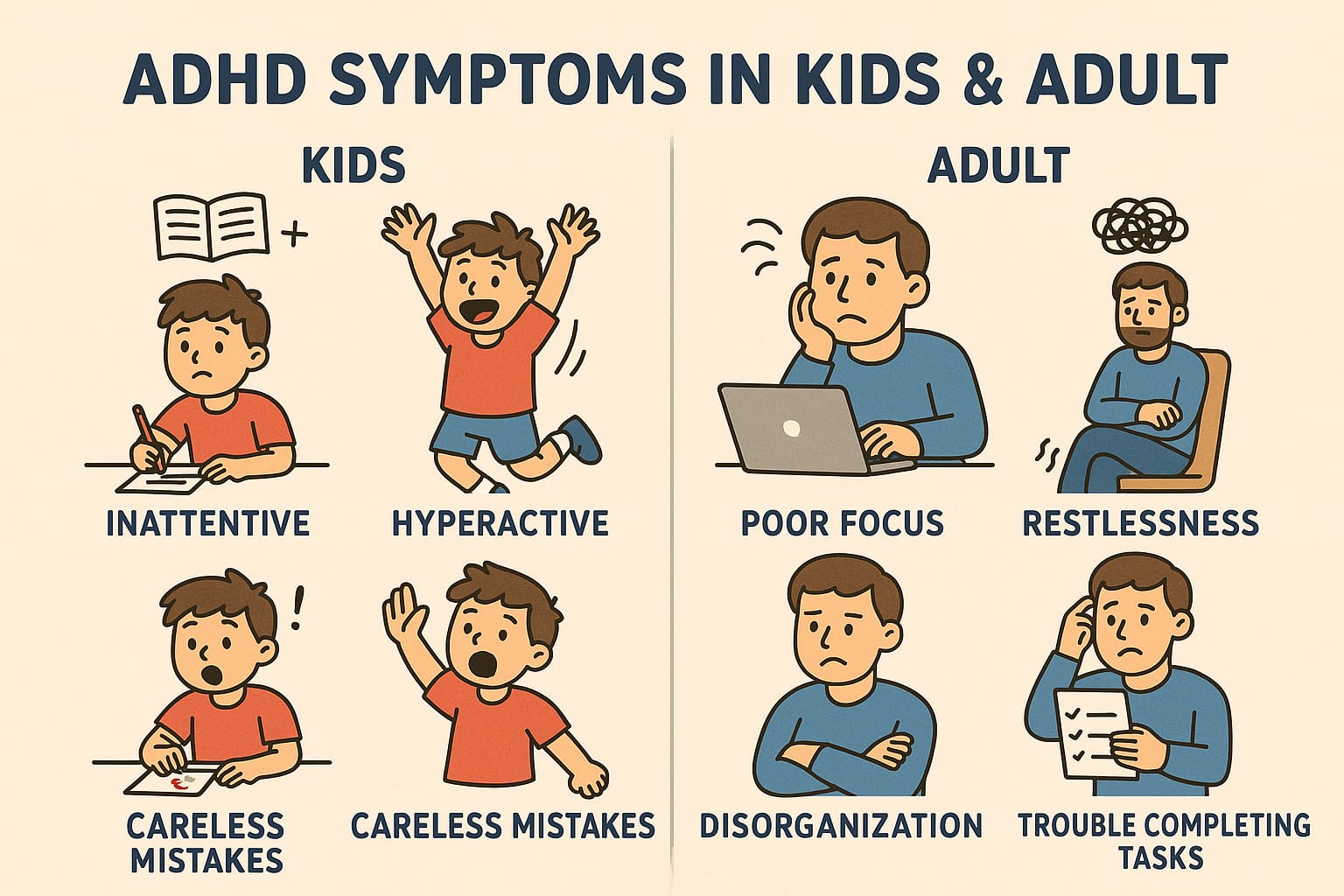
ADHD Help Online: Effective Strategies and Resources for Support
Many individuals facing ADHD challenges now have access to professional help through online platforms. These services offer assessments, diagnoses, and treatment plans without the need to visit a clinic in person. Online ADHD help includes expert-led care, therapy, medication management, and support groups tailored to adults and children.
Digital tools and virtual sessions provide convenient options, especially for those living in remote areas or seeking faster access to care. Licensed practitioners use evidence-based methods to address focus, productivity, and emotional well-being, making treatment more accessible and personalized.
Support extends beyond clinical care, with options for counseling and peer support groups available online. This comprehensive approach helps users better manage ADHD symptoms through therapy, medication, and practical strategies delivered directly to their devices.
Online ADHD Support Options
ADHD help online support covers a range of services designed to address different needs. These include professional therapy for symptoms, coaching for daily management, and communities providing peer connection and shared experiences. Each option offers specific benefits suited to various stages of diagnosis and treatment.
Virtual Therapy Services
Virtual therapy for ADHD typically involves sessions with licensed therapists or psychiatrists who specialize in ADHD diagnosis and treatment. Many platforms offer same-day appointments, medication management—including stimulant prescriptions when appropriate—and behavioral therapy.
These services often accept insurance and provide affordable plans. Therapy sessions focus on developing coping strategies, understanding ADHD’s impact, and improving executive function challenges. Patients benefit from personalized treatment plans and evidence-based approaches delivered through video or phone calls, making access flexible and convenient.
ADHD Coaching Platforms
ADHD coaching targets skill-building to manage daily routines, prioritize tasks, and maintain focus. Coaches work one-on-one with clients, helping them break down goals, organize time, and develop accountability habits. This support is practical and goal-driven rather than clinical.
Coaching platforms vary in cost and service format, with options for video or chat-based sessions. Many include progress tracking tools and resources to support continued growth outside sessions. These services complement therapy by providing actionable strategies and motivation in real-life contexts.
Peer Support Communities
Peer support communities offer connection with others facing similar challenges. These groups operate through forums, social media, and organized online workshops. Participants share experiences, coping techniques, and resources, fostering a sense of understanding and encouragement.
Some communities provide structured programs focused on education about ADHD and strategies for symptom management. For example, self-paced online education series can help adults living with ADHD build knowledge and self-awareness. These groups can be free or require a subscription, often serving as a supplement to professional care.
Finding the Best ADHD Help Online
Successful ADHD support online depends on identifying trustworthy providers, assessing the effectiveness of their programs, and ensuring services are both accessible and affordable. Careful consideration of these factors helps individuals find tailored treatment and reliable resources.
Choosing Reputable Providers
Reputable providers typically employ licensed professionals such as psychiatrists, psychologists, or certified therapists experienced in ADHD. Verification of credentials and reading reviews or testimonials can ensure legitimacy.
Many top platforms also offer personalized treatment plans that combine therapy, medication management, and coaching. Access to medical professionals for virtual ADHD diagnosis and medication prescribing is a key indicator of quality care. Providers like Talkiatry and ADHD Advisor are noted for offering comprehensive services, including stimulant medications where legal.
Checking for secure telehealth technology and clear privacy policies protects patient information. Providers who maintain transparent communication about treatment options and costs further establish trustworthiness.
Evaluating Program Effectiveness
Effectiveness is measured by the provider’s ability to tailor treatments to individual needs and track progress. Programs offering multi-modal approaches—therapy, medication, and coaching—tend to better support symptom management.
Look for platforms that provide tools such as behavioral strategies, organizational skills training, and ongoing success coaching. Some platforms demonstrate positive outcomes through patient feedback or clinical evidence.
Regular follow-ups and medication adjustments, along with access to specialists well-versed in ADHD, improve effectiveness. The ability to integrate tools like digital reminders and habit tracking can enhance adherence and results.
Accessibility and Affordability
Accessibility involves ease of scheduling, availability across regions, and compatibility with technology. Services that accept insurance, like Talkiatry, lower financial barriers for many users.
Out-of-pocket costs vary widely. Platforms like Klarity offer therapy and medication services starting near $80 per session, making care more attainable. Transparent pricing and flexible payment options help users plan for ongoing treatment.
Language options, user-friendly interfaces, and customer support impact accessibility. Affordable online ADHD assessments and virtual treatment services rise in demand, especially in areas lacking local in-person care.
Related Post

Need Expert Care at a Top Rated Aesthetics Clinic Nearby?
Everyone wants to look and feel their best, but achieving that requires professional care from…