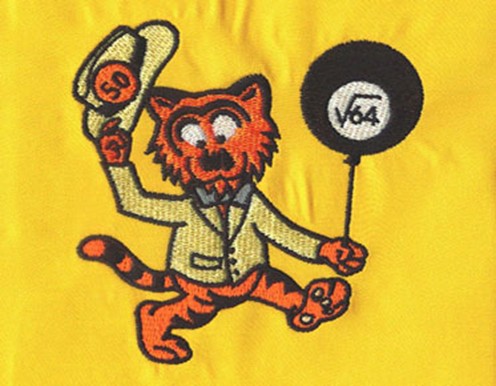
Custom Embroidery Digitizing: Stitch Density, Underlay, and Thread Settings
Embroidery looks simply, but getting it perfect is another story. Custom Embroidery Digitizing is the magic behind clean, professional stitches. It’s more than converting designs into files—it controls stitch placement, density, and thread tension. Skip it, and your design could end up bunched, uneven, or messy. Even small projects need attention to detail. Whether you run an embroidery business or create for fun, knowing how stitch density, underlay, and thread settings work makes a huge difference.
What Is Custom Embroidery Digitizing and Why It Matters
So, what is custom embroidery digitizing exactly? It’s the process of turning your artwork into machine instructions. These files tell the machine where to stitch, how long each stitch should be, and in what order. Proper digitizing keeps your design crisp, avoids puckering, and prevents wasted fabric. Professional embroidery digitizing services build accurate embroidery patterns, pick the best stitch types, and adjust density for each fabric. Skipping this step can ruin even a simple design.
Stitch Density: Getting It Just Right
Stitch density is critical. Too dense, and fabric puckers. Too loose, and designs look patchy. Different fabrics handle stitches differently. Thick fabrics tolerate denser stitches, while thin fabrics need careful placement. Professionals tweak density based on hoop size, design, and material. The right density keeps designs sharp and makes them survive washes and wear.
Underlay Stitches: The Unsung Hero
Underlay stitches are like a building’s foundation. They support the top stitches and stabilize the fabric. Proper underlay reduces puckering, thread breakage, and distortion. There are different types—zigzag, edge run, and edge walk—chosen based on fabric and design. Smart custom embroidery digitizing uses underlay strategically so every design stays neat and professional.
Thread Settings and Their Role
Thread choice matters a lot. Polyester threads are strong and colorfast—great for commercial work. Rayon threads add shine but need precise tension. Wrong tension causes looping, skipped stitches, and messy outlines. Adjusting thread settings during custom embroidery digitizing ensures smooth, clean stitches. Even small tweaks can make a huge visual difference in the final design.
DST File Format: Why It’s Important
The DST file format is the go-to for commercial machines. It contains stitch placement and sequence, but no color info. DST is ideal for bulk orders and industrial embroidery. For custom embroidery digitizing, it guarantees that designs stitch consistently every time. Professionals also optimize DST files to match stitch density, underlay, and thread type. Using the wrong file type can lead to mistakes and wasted materials.
Other Formats: PES and EXP
PES is common for Brother and Babylock machines. It stores stitch data plus color info, making it ideal for smaller projects. EXP works for Melco machines and supports multi-color designs. Offering multiple formats ensures compatibility with different machines. Professional embroidery digitizing services often prepare designs in DST, PES, and EXP to avoid issues. This approach is a lifesaver for embroidery business owners and hobbyists alike.
Stitch Types and Their Purpose
Different areas of a design need different stitches. Satin stitches are smooth and perfect for outlines and lettering. Fill stitches cover larger areas and add texture. Running stitches are ideal for fine details. 3D Puffy Design creates raised elements for logos and lettering. Using the right stitches in custom embroidery digitizing makes designs clear, durable, and professional-looking. Bad stitch choice can damage fabric or make designs look amateurish.
Optimizing Designs for Fabric and Hoop Size
Every fabric reacts differently to stitching. Thick fabrics handle dense stitches better; thinner fabrics need lighter placement. Hoop size affects tension and stitch density too. Proper digitizing accounts for both. Adjusting density, underlay, and stitch sequence ensures smooth, clean stitching. Professionals even test on sample fabrics when preparing designs. This extra step guarantees accuracy and quality.
Why Professional Digitizing Services Are Worth It
Digitizing isn’t easy. DIY can waste thread, time, and fabric. A professional embroidery digitizing service knows machines, fabrics, and stitch patterns inside out. They balance density, underlay, and thread settings for flawless results. For best embroidery digitizing, professionals save frustration and produce clean, consistent designs every time. Investing in pros pays off with better quality, faster production, and satisfied clients.
Common Issues and How Digitizers Fix Them
Even great designs can run into problems. Skipped stitches, looping, and fabric distortion are common issues. Skilled digitizers prevent these by adjusting stitch density, underlay, and thread settings in advance. For an embroidery business, this saves time, reduces waste, and keeps customers happy. Digitizing solves minor design issues before machines ever start stitching.
Scaling and Placement
Resizing designs isn’t just zooming in or out. Stitches must remain proportional. Placement matters too. Chest logos, sleeves, or hats all need exact positioning. Professional custom embroidery digitizing ensures the design fits perfectly within hoop limits. Proper scaling keeps designs crisp, readable, and professional at any size.
Future Trends in Custom Embroidery Digitizing
Embroidery is evolving fast. AI-assisted digitizing improves speed and accuracy. New software makes 3D Puffy Design and gradient fills easier. Designers can now handle complex projects with less effort. Businesses using professional digitizing stay ahead and create consistent, creative results. Quality digitizing makes even complicated designs look flawless.
Conclusion: Flawless Custom Embroidery Digitizing Made Simple
In short, custom embroidery digitizing is the secret behind professional, clean embroidery. Proper stitch density, underlay, and thread settings make designs durable and beautiful. DST files, along with PES or EXP, ensure compatibility across machines. Accurate embroidery patterns and professional services guarantee perfect stitching every time. For reliable digitizing, brands like 1dollardigitizing deliver results that make designs come alive. Even the most detailed projects stitch beautifully and consistently with the right approach.
Related Post
How to Style a Green Porsche Leather Jacket Effortlessly
A porsche green leather jacket is not just another outerwear piece, it is a statement…