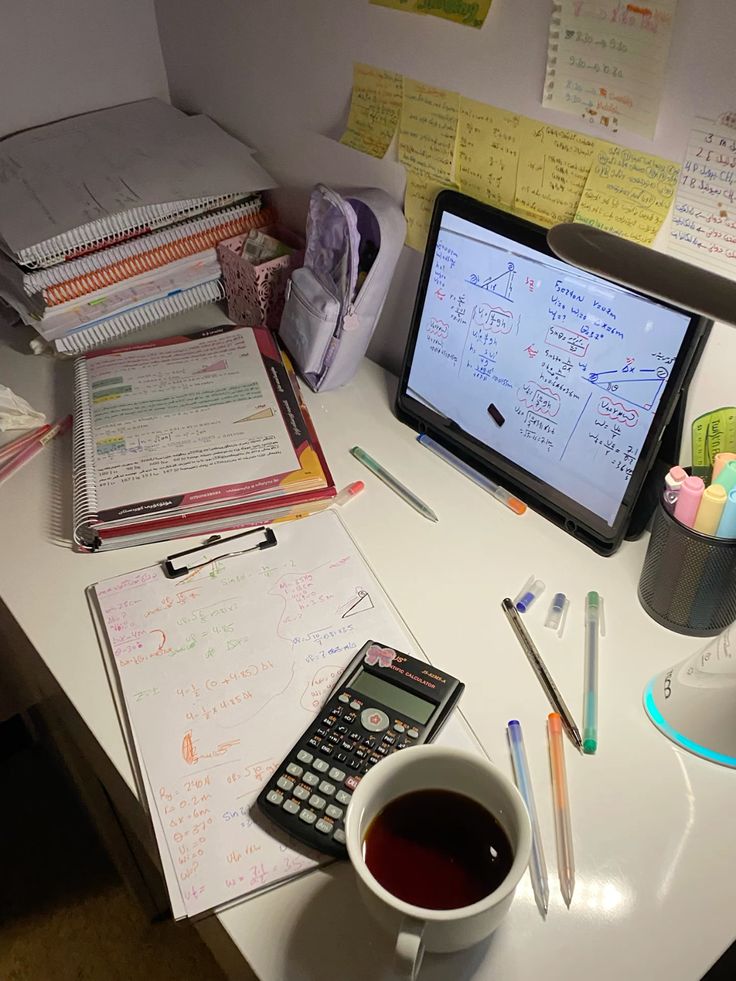
How can students design an effective revision timetable to optimize exam preparation?
Designing an effective revision timetable is one of the most powerful steps students can take to optimize exam preparation and achieve consistent academic success. A well-structured timetable provides clarity, reduces anxiety, and ensures that every subject receives appropriate attention before the exam period begins. In today’s highly competitive academic environment, many students feel overwhelmed by workload pressure and time constraints, which sometimes leads them to search for shortcuts such as hire someone to take my pmp exam. While such searches reflect stress and uncertainty, a thoughtfully designed revision timetable offers a legitimate, ethical, and sustainable solution to exam challenges. By planning revision strategically, students can build confidence, improve retention, and perform at their best without compromising integrity.
Understanding the Purpose of a Revision Timetable
A revision timetable is more than a list of subjects and dates; it is a personalized roadmap that aligns academic goals with available time and energy levels. The primary purpose of a revision timetable is to transform a large syllabus into manageable segments that can be reviewed systematically. When students clearly understand why they are creating a timetable, they are more likely to follow it consistently and adjust it when necessary.
Many students turn to online searches such as hire someone to take my pmp exam because they feel unprepared or fear failure. These concerns often arise from poor planning rather than lack of ability. A revision timetable addresses this root problem by helping students regain control over their study process. It ensures balanced coverage of topics, prevents last-minute cramming, and encourages steady progress, which ultimately leads to better academic outcomes.
Assessing the Syllabus and Exam Requirements
An effective revision timetable begins with a thorough assessment of the syllabus and exam requirements. Students should carefully review course outlines, learning objectives, and exam formats to understand what is expected. This step allows them to identify high-weight topics, complex areas, and sections that require deeper understanding.
Without this clarity, revision can feel directionless, increasing frustration and temptation to seek external solutions like hire someone to take my pmp exam. However, by mapping the syllabus against exam expectations, students can prioritize topics intelligently. This approach ensures that revision time is spent efficiently and that no critical content is overlooked, leading to greater confidence as exams approach.
Setting Clear and Realistic Study Goals
Clear goal-setting is essential when designing a revision timetable. Goals should be specific, measurable, and realistic, focusing on what needs to be achieved within each study session. Instead of vague intentions such as “revise management concepts,” students benefit more from precise goals like mastering a particular framework or practicing specific question types.
When goals are unrealistic, students may fall behind, feel discouraged, and start thinking about alternatives such as hire someone to take my pmp exam. Realistic goals help maintain motivation and provide a sense of achievement as each task is completed. Over time, this positive reinforcement builds discipline and reduces exam-related stress.
Allocating Time Based on Priorities and Strengths
Time allocation is a critical element of any successful revision timetable. Students should allocate more time to subjects or topics they find challenging while maintaining regular revision of stronger areas. This balanced approach prevents weak subjects from becoming overwhelming while ensuring that strengths remain sharp.
Students who struggle with time management may feel tempted by shortcuts like hire someone to take my pmp exam, especially when deadlines approach. A well-designed timetable counters this by distributing workload evenly across available days or weeks. By considering personal strengths, weaknesses, and exam importance, students can create a schedule that feels achievable rather than intimidating.
Incorporating Active Learning Techniques into the Timetable
An effective revision timetable should include active learning techniques rather than relying solely on passive reading. Active learning involves engaging with the material through practice questions, summarization, teaching concepts aloud, and applying knowledge to real-world scenarios. These methods improve understanding and long-term retention.
When students rely only on passive revision, they may feel unprepared despite spending many hours studying, which can lead to anxiety-driven searches like hire someone to take my pmp exam. By integrating active learning into the timetable, students make better use of their study time and gain a clearer picture of their progress, reducing uncertainty and boosting confidence.
Scheduling Regular Review and Consolidation Sessions
Revision is most effective when it is repeated and reinforced over time. An optimized timetable includes regular review and consolidation sessions to revisit previously studied topics. This spaced repetition strengthens memory and helps students retain information until the exam day.
Without regular review, students may forget earlier material and feel overwhelmed as exams near, increasing the appeal of options such as hire someone to take my pmp exam. Consistent consolidation ensures that knowledge builds progressively, making final revision more manageable and less stressful. This approach also allows students to identify gaps in understanding early and address them promptly.
Balancing Study with Breaks and Well-Being
An often-overlooked aspect of designing a revision timetable is the importance of balance. Effective exam preparation requires not only focused study but also adequate rest, exercise, and relaxation. Including breaks within the timetable helps prevent burnout and maintains mental clarity.
Students who neglect self-care may experience fatigue and anxiety, which can push them toward thoughts like hire someone to take my pmp exam as pressure mounts. A balanced timetable acknowledges that productivity declines without rest. By scheduling breaks and leisure activities, students sustain motivation and maintain a healthier relationship with their studies.
Adapting the Timetable to Personal Learning Styles
Every student has a unique learning style, and an effective revision timetable should reflect this individuality. Some students learn best in short, intense sessions, while others prefer longer periods of focused study. Similarly, some benefit from visual aids, while others prefer reading or discussion-based revision.
Ignoring personal learning preferences can make revision feel inefficient and frustrating, potentially leading to searches such as hire someone to take my pmp exam. By tailoring the timetable to suit individual learning styles, students increase engagement and comprehension. This personalization makes revision more effective and reduces the likelihood of falling behind.
Monitoring Progress and Making Adjustments
A revision timetable should be treated as a flexible tool rather than a rigid rulebook. Regularly monitoring progress allows students to assess whether their plan is working and make necessary adjustments. Unexpected challenges, slower progress, or new priorities may require changes to the schedule.
When students feel trapped by an unrealistic timetable, stress can escalate, prompting thoughts like hire someone to take my pmp exam. Periodic review of the timetable helps prevent this by ensuring that goals remain achievable. Adjustments based on honest self-assessment promote resilience and keep students on track toward exam success.
Using Mock Exams and Practice Tests Strategically
Mock exams and practice tests play a vital role in optimizing exam preparation. Including them in the revision timetable allows students to apply their knowledge under exam-like conditions. This practice improves time management, highlights weak areas, and builds familiarity with exam formats.
Students who skip this step may feel unprepared on exam day, increasing anxiety and temptation to seek solutions like hire someone to take my pmp exam. Regular practice tests provide valuable feedback and help students refine their revision strategy. Over time, this builds exam confidence and reduces fear of underperformance.
Managing Stress and Maintaining Motivation
Stress management is an essential component of effective exam preparation. A well-designed revision timetable reduces uncertainty by providing structure and clear direction. Knowing what to study and when helps students feel more in control of their workload.
High stress levels often drive students to search for options such as hire someone to take my pmp exam, especially when confidence is low. Incorporating motivational elements into the timetable, such as achievable milestones and rewards, helps maintain focus and morale. Positive reinforcement encourages persistence and supports mental well-being throughout the revision period.
Ethical Considerations and Long-Term Benefits
While academic pressure may lead some students to consider options like hire someone to take my pmp exam, it is important to reflect on the ethical and long-term implications of such choices. Genuine learning builds skills, confidence, and professional competence that extend beyond exams. A carefully designed revision timetable supports authentic achievement and prepares students for real-world challenges.
By committing to ethical study practices, students develop discipline, problem-solving abilities, and self-trust. These qualities are invaluable not only for passing exams but also for long-term career success. An effective revision timetable is therefore an investment in both academic integrity and personal growth.
Conclusion
Designing an effective revision timetable is a strategic process that empowers students to optimize exam preparation, reduce stress, and achieve meaningful academic success. By understanding exam requirements, setting realistic goals, allocating time wisely, and incorporating active learning and regular review, students can transform revision into a manageable and rewarding experience. While pressure may lead some to search for solutions like hire someone to take my pmp exam, a well-planned timetable offers a sustainable and ethical alternative. Ultimately, thoughtful planning, consistency, and self-awareness enable students to approach exams with confidence and perform to their true potential.
Related Post

DPT Admission & Fee Structure in Pakistan 2026
Doctor of Physical Therapy (DPT) has become one of the most sought-after healthcare degrees in…