
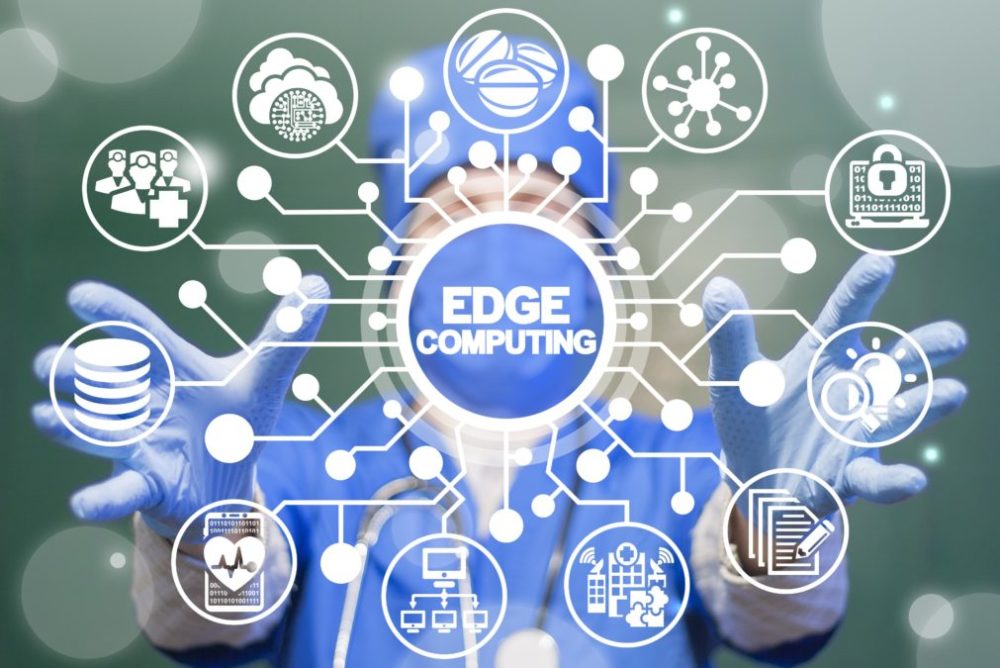
Edge Computing in Healthcare: Powering Real-Time, Intelligent Medical Systems
Edge computing in healthcare is rapidly transforming how medical data is processed, analyzed, and used to deliver patient care. As healthcare systems increasingly rely on connected devices, wearable sensors, and digital platforms, the volume of data generated at the point of care has grown exponentially. Traditional cloud-centric models often struggle with latency, bandwidth limitations, and data privacy concerns. This is where edge computing in healthcare emerges as a critical solution, enabling faster, more secure, and more reliable healthcare services.
By processing data closer to where it is generated—such as hospitals, clinics, ambulances, or even patient homes—edge computing allows healthcare providers to make timely decisions that can directly impact patient outcomes. From real-time monitoring to AI-driven diagnostics, edge computing in healthcare is reshaping modern medical ecosystems and supporting the shift toward smarter, patient-centered care.
Understanding Edge Computing in Healthcare
Edge computing in healthcare refers to the practice of processing and analyzing healthcare data at or near the source of data generation rather than relying solely on centralized cloud servers. This approach minimizes the need to transmit large volumes of sensitive data over networks, reducing latency and improving system responsiveness.
In healthcare environments, where seconds can be critical, edge computing enables immediate insights from medical devices, imaging systems, and monitoring equipment. By bringing computation closer to patients and clinicians, edge computing in healthcare supports faster decision-making while maintaining high levels of reliability and security.
The Evolution of Edge Computing in Healthcare Systems
The evolution of edge computing in healthcare is closely tied to advancements in medical IoT devices, high-speed connectivity, and artificial intelligence. Early digital healthcare systems depended heavily on centralized data centers, which often caused delays in data processing and limited real-time capabilities.
As healthcare data volumes increased, the need for decentralized processing became clear. Edge computing in healthcare evolved to address these challenges by distributing computational workloads across local devices and edge nodes. This evolution has enabled healthcare organizations to handle complex data streams efficiently while maintaining compliance and operational continuity.
Why Edge Computing Matters in Modern Healthcare
Modern healthcare demands real-time insights, continuous monitoring, and uninterrupted system performance. Delays in data processing can lead to missed diagnoses, delayed treatments, or compromised patient safety. Edge computing in healthcare addresses these challenges by enabling instant data analysis at the point of care.
By reducing dependence on distant cloud infrastructure, healthcare providers can ensure consistent performance even in environments with limited connectivity. This reliability is particularly valuable in emergency care, remote locations, and high-pressure clinical settings where every moment counts.
How Edge Computing in Healthcare Works
Edge computing in healthcare operates through a network of local devices, gateways, and edge servers that process data near its source. Medical devices such as wearable sensors, imaging machines, and monitoring systems generate data that is analyzed locally before being transmitted to central systems if needed.
This architecture allows healthcare applications to respond immediately to critical events, such as abnormal vital signs or equipment malfunctions. By filtering and processing data locally, edge computing in healthcare reduces network congestion and ensures that only relevant information is shared with central platforms.
Key Benefits of Edge Computing in Healthcare
One of the primary benefits of edge computing in healthcare is reduced latency. Real-time data processing enables faster clinical decisions, which is crucial in intensive care units, emergency rooms, and surgical environments.
Another significant advantage is improved data security. Since sensitive patient data can be processed locally, edge computing in healthcare minimizes exposure to external networks. Additionally, this approach enhances system reliability by allowing healthcare operations to continue even during network outages or cloud disruptions.
Edge Computing in Healthcare and Real-Time Patient Monitoring
Remote and real-time patient monitoring is one of the most impactful applications of edge computing in healthcare. Wearable devices and home-based monitoring equipment continuously collect patient data, which must be analyzed instantly to detect anomalies.
By processing this data at the edge, healthcare providers receive immediate alerts when patient conditions change. Edge computing in healthcare ensures that critical health events are identified and addressed promptly, improving outcomes and reducing hospital readmissions.
Role of Edge Computing in Medical Imaging and Diagnostics
Medical imaging generates massive amounts of data that require rapid processing and analysis. Edge computing in healthcare enables imaging systems to process data locally, reducing delays and improving diagnostic accuracy.
By supporting AI-powered image analysis at the edge, healthcare professionals can detect abnormalities faster and initiate treatment sooner. This capability is particularly valuable in radiology, pathology, and emergency diagnostics, where time-sensitive decisions are essential.
Edge Computing in Healthcare for Smart Hospitals
Smart hospitals rely on interconnected systems, sensors, and automation to enhance efficiency and patient care. Edge computing in healthcare serves as the backbone of these intelligent environments by enabling localized data processing and control.
From smart beds and asset tracking to energy management and patient flow optimization, edge computing supports real-time decision-making across hospital operations. This localized intelligence improves operational efficiency while maintaining patient safety and comfort.
Data Security and Privacy in Edge Computing Healthcare Environments
Healthcare data security is a top priority due to the sensitive nature of patient information. Edge computing in healthcare enhances security by reducing the need to transmit raw data across networks.
Local processing allows healthcare organizations to implement strict access controls and encryption at the device level. This approach helps protect patient privacy, supports regulatory compliance, and reduces the risk of large-scale data breaches.
Regulatory Compliance and Edge Computing in Healthcare
Healthcare regulations require strict control over how patient data is collected, stored, and processed. Edge computing in healthcare supports compliance by enabling localized data handling and controlled data sharing.
By processing data closer to its source, healthcare organizations can enforce region-specific compliance requirements more effectively. This flexibility makes edge computing a valuable strategy for meeting regulatory standards without compromising performance.
Integration of Edge Computing with Cloud Healthcare Systems
While edge computing in healthcare focuses on local processing, it does not eliminate the role of cloud computing. Instead, both models work together to create hybrid architectures.
Edge systems handle real-time processing, while cloud platforms manage long-term storage, analytics, and reporting. This integration allows healthcare organizations to balance speed, scalability, and data management effectively.
Challenges in Implementing Edge Computing in Healthcare
Despite its advantages, implementing edge computing in healthcare presents challenges. Infrastructure complexity, device management, and interoperability issues can complicate deployment.
Healthcare organizations must also ensure that edge systems are maintained, updated, and secured consistently. Addressing these challenges requires careful planning, skilled personnel, and ongoing investment in technology and processes.
Best Practices for Adopting Edge Computing in Healthcare
Successful adoption of edge computing in healthcare begins with identifying use cases that benefit most from low latency and local processing. Prioritizing critical applications ensures maximum impact and return on investment.
Healthcare organizations should also focus on standardization and interoperability to simplify integration. Regular monitoring and updates help maintain system reliability and security, ensuring long-term success.
Edge Computing in Healthcare and Artificial Intelligence
Artificial intelligence and machine learning are increasingly integrated into healthcare applications. Edge computing in healthcare enables AI models to run locally, providing real-time insights without relying on cloud connectivity.
This combination supports advanced use cases such as predictive analytics, personalized treatment recommendations, and automated diagnostics. By bringing AI closer to the point of care, edge computing enhances the speed and accuracy of intelligent healthcare systems.
Impact of Edge Computing on Healthcare Operations
Edge computing in healthcare improves operational efficiency by reducing data transmission costs and optimizing resource usage. Local processing minimizes bandwidth consumption and lowers dependence on centralized infrastructure.
These efficiencies translate into cost savings and improved system performance. Healthcare organizations can allocate resources more effectively while maintaining high standards of care and reliability.
Edge Computing in Healthcare for Remote and Rural Care
Remote and rural healthcare environments often face connectivity challenges that limit access to centralized systems. Edge computing in healthcare addresses this issue by enabling local data processing and decision-making.
This capability supports telehealth, emergency response, and community healthcare initiatives in underserved areas. By ensuring consistent performance regardless of connectivity, edge computing helps bridge gaps in healthcare access.
Future Trends in Edge Computing in Healthcare
The future of edge computing in healthcare is shaped by advancements in 5G, AI, and device innovation. Faster networks and more powerful edge devices will expand the scope of real-time healthcare applications.
As healthcare systems become more data-driven, edge computing will play an increasingly central role in enabling personalized, predictive, and proactive care. Ongoing innovation will continue to enhance its impact across the healthcare ecosystem.
Business Value of Edge Computing in Healthcare
From a business perspective, edge computing in healthcare delivers measurable value through improved efficiency, reduced costs, and enhanced patient satisfaction. Faster decision-making and reliable systems support better clinical outcomes and operational performance.
Healthcare organizations that invest in edge computing gain a competitive advantage by adopting innovative care models and improving service quality. This strategic value makes edge computing a key enabler of digital healthcare transformation.
Conclusion
Edge computing in healthcare is redefining how medical data is processed, analyzed, and used to deliver care. By enabling real-time insights, enhancing security, and supporting intelligent systems, it addresses many of the challenges facing modern healthcare.
As digital health adoption accelerates, edge computing in healthcare will remain a critical foundation for innovation. Organizations that embrace this technology will be better equipped to deliver faster, safer, and more efficient healthcare services in an increasingly connected world.
Related Post

IPTV UK Benefits That Make It Worth Every Penny
Modern entertainment has shifted from rigid schedules to flexible, user-controlled viewing. We now expect instant…