
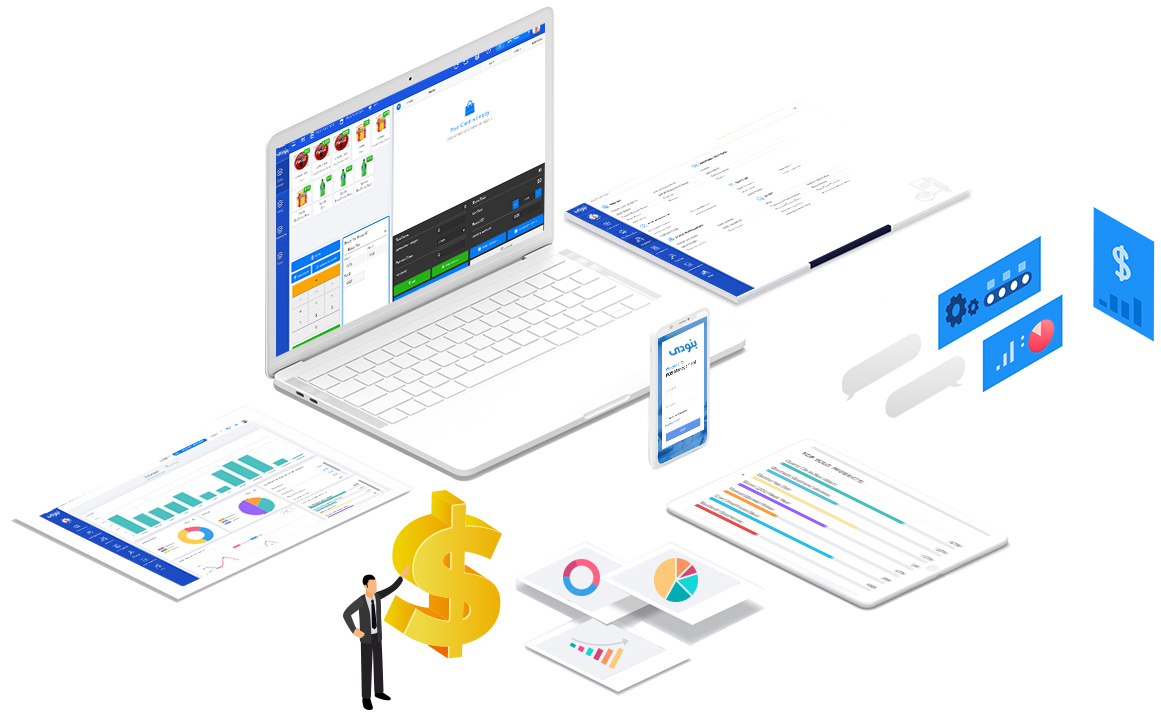
Why Top Optical Store Software برنامج نظارات Matters in 2026
The optical retail industry is evolving rapidly as customer expectations, technology, and competition continue to grow. Managing an optical store today is no longer just about selling glasses; it involves handling prescriptions, frames, lenses, inventory, billing, customer relationships, and compliance with healthcare standards. This is where modern optical store software becomes essential for long-term success.
In 2026, optical businesses are increasingly adopting specialized solutions designed to streamline daily operations and improve customer experience. A dedicated system ensures accuracy, efficiency, and scalability for both small optical shops and large optical chains.
Why برنامج نظارات Is Essential for Modern Optical Stores
A برنامج نظارات (optical management software) is specifically designed to meet the unique needs of optical stores, unlike general retail software. It helps manage eye prescriptions, track frame and lens inventory, integrate billing, and maintain patient records in one centralized platform. This specialized approach reduces errors, saves time, and enhances overall store performance.
By using a purpose-built optical solution, store owners can focus more on customer care and less on administrative tasks, ensuring smoother operations and higher customer satisfaction.
Key Challenges Faced by Optical Stores
Before understanding the value of optical software, it’s important to recognize the common challenges optical retailers face:
Managing complex prescriptions for glasses and contact lenses
Tracking thousands of frames, lenses, and accessories
Avoiding inventory shortages or overstocking
Handling insurance claims and billing accurately
Maintaining customer records and prescription history
Competing with online eyewear retailers
Without the right tools, these challenges can slow down operations and lead to costly mistakes.
Core Features of Optical Store Management Software
Modern optical store software in 2026 offers a wide range of powerful features designed to simplify operations:
Prescription Management
The system stores detailed eye prescriptions, including sphere, cylinder, axis, and add values. This ensures accuracy and allows easy retrieval for repeat customers.
Inventory Control
Track frames, lenses, coatings, and accessories in real time. Automated alerts notify staff when stock levels are low, helping avoid missed sales.
Point of Sale (POS)
An integrated POS system speeds up billing, supports multiple payment methods, applies discounts, and generates invoices instantly.
Customer Relationship Management (CRM)
Maintain complete customer profiles, including purchase history, prescription validity, and follow-up reminders for eye exams.
Reporting and Analytics
Generate detailed reports on sales, inventory movement, top-selling products, and staff performance to support better decision-making.
Benefits of Using Optical Software in 2026
Adopting optical management software offers numerous benefits that directly impact business growth:
Improved accuracy in prescriptions and billing
Faster checkout and reduced waiting times
Better inventory planning and reduced losses
Enhanced customer loyalty through personalized service
Data-driven decisions using real-time analytics
These advantages help optical stores stay competitive in an increasingly digital marketplace.
Cloud-Based vs On-Premise Optical Software
In 2026, most optical businesses prefer cloud-based solutions due to their flexibility and scalability.
Cloud-Based Software
Access data from anywhere
Automatic updates and backups
Lower upfront costs
Ideal for multi-branch optical stores
On-Premise Software
Full control over data
Requires higher initial investment
Limited remote access
Cloud-based optical software is generally the preferred choice for modern optical retailers.
Role of Automation in Optical Stores
Automation is transforming optical retail operations. From automatic inventory updates after each sale to reminder messages for prescription renewals, automation reduces manual effort and human error. This allows staff to focus more on customer care rather than administrative work.
Automated workflows also help standardize processes across branches, ensuring consistent service quality.
Integration with Accounting and Insurance Systems
Advanced optical software integrates seamlessly with accounting systems and insurance providers. This simplifies financial management, reduces reconciliation errors, and speeds up claim processing. Integration ensures that sales, taxes, and expenses are accurately recorded without duplicate data entry.
Also Read: Top Digital Marketing Strategies for Growth
Enhancing Customer Experience with Technology
Customer experience is a key differentiator in 2026. Optical software supports personalized service by providing instant access to customer history and preferences. Some systems also integrate with appointment scheduling, SMS reminders, and digital receipts, creating a smooth and professional customer journey.
Scalability for Growing Optical Businesses
Whether you operate a single store or a growing chain, optical management software scales with your business. New branches, users, and features can be added without disrupting existing operations, making it a future-proof investment.
Data Security and Compliance
Optical stores handle sensitive customer and medical data. Modern optical software includes advanced security features such as data encryption, user access control, and regular backups. This ensures compliance with data protection regulations and builds customer trust.
Choosing the Right Optical Store Software
When selecting optical software, consider the following factors:
Ease of use
Industry-specific features
Customization options
Customer support and training
Scalability and pricing
Choosing the right solution ensures long-term value and smoother adoption by staff.
Future Trends in Optical Software
Looking ahead, optical software will continue to evolve with innovations such as:
AI-driven sales recommendations
Virtual try-on integrations
Advanced analytics and forecasting
Deeper integration with e-commerce platforms
These trends will further transform how optical businesses operate and serve customers.
Frequently Asked Questions (FAQs)
What is optical store management software?
Optical store management software is a specialized system designed to manage prescriptions, inventory, sales, customers, and reporting for optical businesses.
Why is specialized optical software better than general POS systems?
Specialized software supports prescription management, lens configurations, and optical-specific workflows that general POS systems cannot handle efficiently.
Is cloud-based optical software secure?
Yes, reputable cloud-based systems use encryption, secure servers, and regular backups to protect sensitive data.
Can optical software support multiple branches?
Most modern solutions are designed to manage multiple stores from a single centralized dashboard.
How does optical software improve customer satisfaction?
By speeding up service, reducing errors, storing customer history, and enabling personalized recommendations.
Is optical software suitable for small optical shops?
Yes, scalable solutions are available for both small shops and large optical chains.
Related Post

Wash N Wear Uniforms Australia | Easy-Care Workwear for Daily Use
Wash n wear uniforms are easy-care work garments designed to be washed, dried, and worn…