
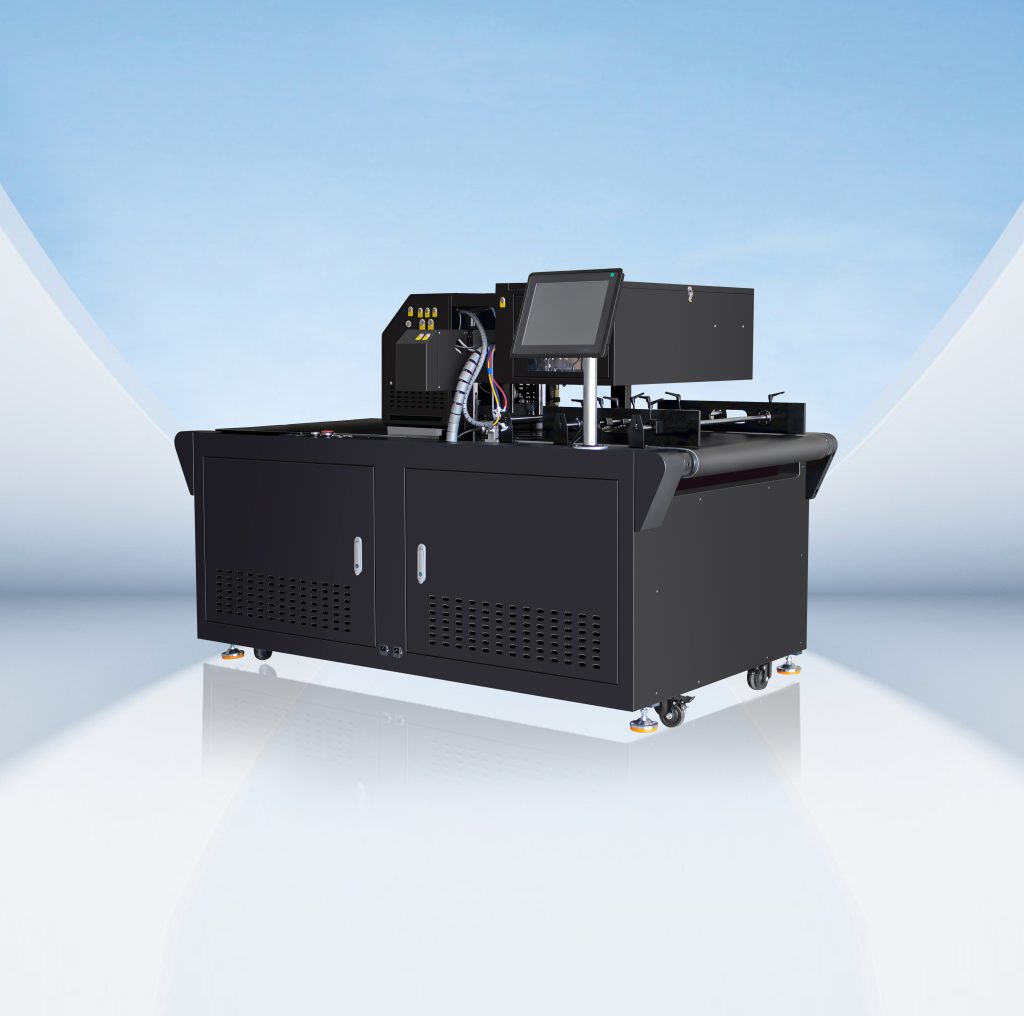
The Ultimate Guide to Single-Pass Digital Printers
In the modern printing industry, speed, efficiency, and quality are more critical than ever. The Single Pass Digital Printer has emerged as a game-changer for businesses seeking high-volume printing with exceptional precision. Unlike traditional printers that move the printhead back and forth, single-pass technology allows the media to pass under a stationary array of printheads, delivering rapid and consistent results. This approach not only reduces production time but also lowers operational costs, making it ideal for industries such as packaging, textiles, labels, and commercial printing. This guide explores everything from working principles to practical applications, helping professionals understand why single-pass digital printing is becoming the industry standard.
What is a Single Pass Digital Printer?
A Single Pass Digital Printer is a type of industrial printer designed for high-speed, high-volume production. Traditional printers rely on scanning methods, where the printhead moves across the media in multiple passes. Single-pass printers, however, use a stationary printhead array that spans the width of the media, allowing the material to move continuously beneath it.
Key Features of Single-Pass Digital Printers
- High-speed Printing: Capable of thousands of square meters per hour.
- Consistent Quality: Stationary printheads ensure uniform color and sharp images.
- Reduced Downtime: Fewer mechanical movements mean less wear and maintenance.
- Versatility: Suitable for various substrates, including paper, cardboard, film, and textiles.
This technology is ideal for businesses that require large print runs without compromising quality.
How Does a Single Pass Digital Printer Work?
Understanding the operational mechanism is crucial for maximizing the benefits of a Single Pass Digital Printer.
Step 1: Media Preparation
The first step involves preparing the printing substrate. This may include cutting, cleaning, or pre-treating the material to ensure optimal ink adhesion and print durability.
Step 2: Continuous Media Feeding
Unlike traditional printers, the media in single-pass systems moves continuously under a fixed printhead array. This eliminates repeated back-and-forth movements, allowing for faster production.
Step 3: Ink Application
The printer uses multiple nozzles across the printhead width to deposit ink simultaneously on the substrate. The precise arrangement of nozzles ensures even coverage and accurate color reproduction.
Step 4: Drying and Finishing
After printing, the material passes through a drying or curing system, which may include UV lights or heated rollers, depending on the ink type. This ensures the print is ready for immediate handling or further processing.
By following these steps, a Single Pass Digital Printer produces high-quality results consistently, making it a reliable choice for industrial-scale printing.
Advantages of Using Single-Pass Digital Printers
Investing in a single-pass system offers numerous benefits that improve efficiency, reduce costs, and enhance production capabilities.
- Unmatched Speed
Single-pass printers can achieve production speeds several times faster than scanning printers, making them ideal for businesses with large-volume requirements.
- Superior Print Quality
Stationary printheads reduce mechanical vibrations and misalignments, resulting in sharper images, more vibrant colors, and consistent quality throughout the print run.
- Lower Operational Costs
Fewer moving parts mean reduced maintenance requirements, lower energy consumption, and less frequent part replacements.
- Flexibility Across Materials
Single-pass digital printers can handle various substrates, from flexible films to rigid boards, which allows businesses to diversify their product offerings.
- Sustainable Production
High efficiency and minimal waste contribute to eco-friendly printing, aligning with sustainability goals in modern industries.
Industries Benefiting from Single-Pass Digital Printing
A Single Pass Digital Printer is versatile and can serve multiple sectors.
Packaging Industry
Fast production and accurate color matching make single-pass printing ideal for packaging, including cartons, flexible pouches, and labels.
Textile Industry
Textile manufacturers benefit from high-speed printing on fabrics, enabling mass production of clothing, home textiles, and decorative items.
Commercial Printing
Businesses offering banners, posters, and large-format signage can achieve faster turnaround times and consistent results.
Label and Product Branding
For companies needing precise branding on products, single-pass digital printers deliver sharp images and fine details efficiently.
Tips for Choosing the Right Single-Pass Digital Printer
Selecting the appropriate printer involves careful consideration of production needs, material types, and budget.
- Determine Production Volume: Assess the number of prints required per day or week to choose a machine with adequate speed.
- Check Substrate Compatibility: Ensure the printer supports the media types used in your industry.
- Evaluate Print Resolution: Higher resolution ensures sharp images and professional-looking prints.
- Consider Maintenance Requirements: Machines with easy-to-access printheads and automated cleaning systems reduce downtime.
- Review Cost vs. ROI: Factor in initial investment, operational costs, and potential efficiency gains.
By analyzing these factors, businesses can select a Single Pass Digital Printer that aligns with operational goals and budget constraints.
Common Challenges and Solutions
While single-pass digital printing offers many advantages, some challenges can arise.
- Ink Management: Large ink arrays require proper handling to avoid clogging and color inconsistencies. Regular cleaning and monitoring are essential.
- Media Handling: Continuous feeding may cause alignment issues. Using precise rollers and tension control systems helps maintain quality.
- Initial Investment: Single-pass systems can be costly upfront, but high production efficiency often compensates for the expense over time.
Addressing these challenges ensures smooth operations and long-term productivity.
Future of Single-Pass Digital Printing
The future of printing is moving towards higher automation, faster speeds, and eco-friendly inks. Innovations in printhead technology, ink formulation, and software integration will make Single Pass Digital Printers even more efficient and versatile Dynamics 365 consulting Sydney. Businesses investing today in these systems are likely to benefit from reduced production costs and increased competitiveness in the coming years.
Robotjet-Global: Leading Supplier of Single-Pass Digital Printers
Robotjet-Global provides advanced Single Pass Digital Printer solutions for businesses seeking efficiency and quality. With a commitment to innovation, Robotjet-Global offers printers designed for various industries, including packaging, textiles, and commercial printing. The company ensures exceptional support, training, and maintenance services, helping businesses maximize their ROI. By choosing Robotjet-Global, companies gain access to state-of-the-art technology, reliable performance, and expert guidance, ensuring seamless operations and superior print quality.
Related Post

Why Remote Collaboration Is Now Essential in Modern Web Development
Web development has undergone a major shift over the past decade. What used to be…