
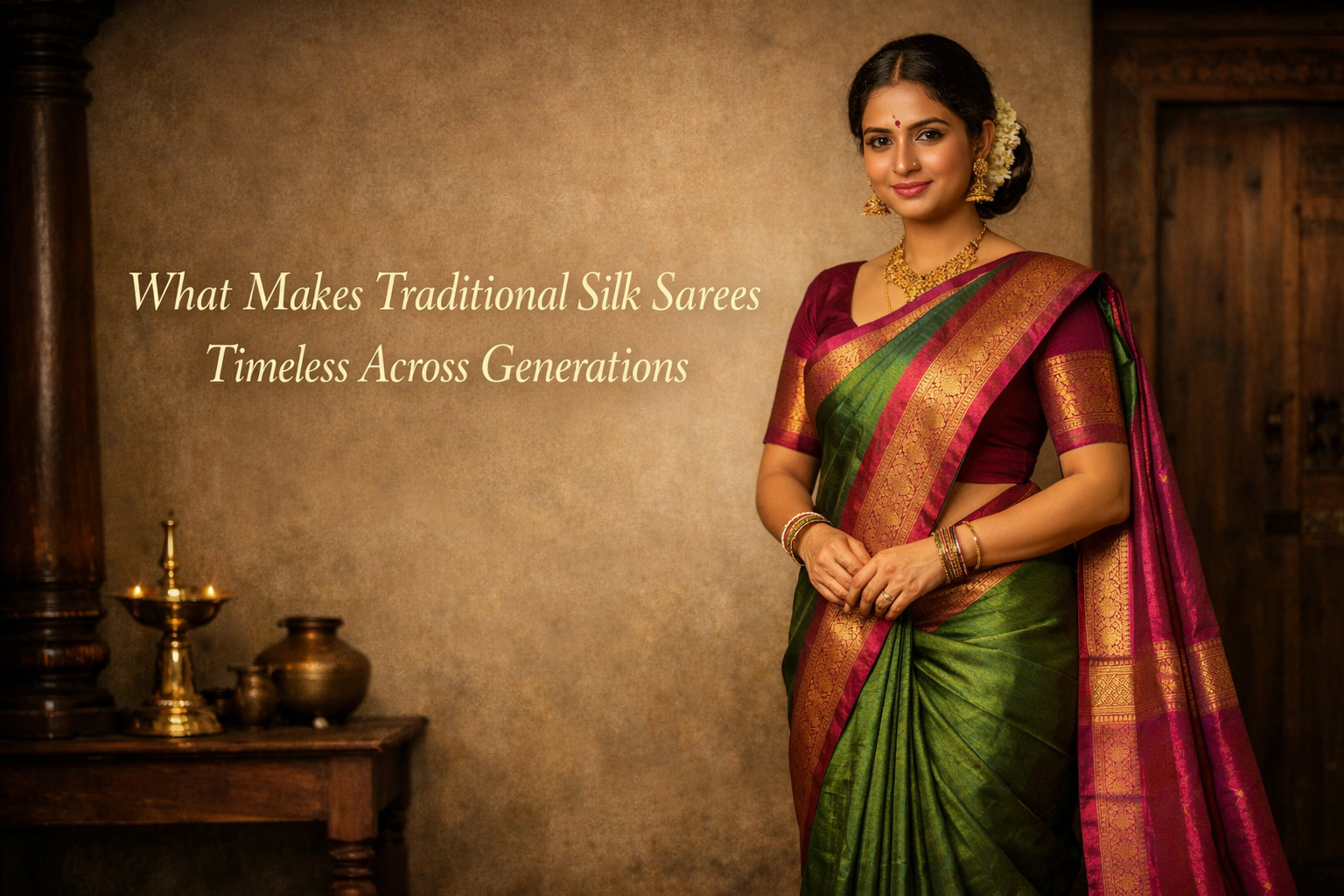
What Makes Traditional Silk Sarees Timeless Across Generations
Silk’s Enduring Elegance
Silk sarees have long been a symbol of grace and tradition in Indian culture. Their lustrous sheen, coupled with intricate craftsmanship, captures the eye and the heart of anyone who encounters them. In the bustling markets of Chennai, one can find a vibrant array of fabrics that blend heritage with contemporary flair. Among these, the kanchipuram silk sarees stand out for their exceptional quality and timeless appeal. These sarees are woven with a meticulous process that has been refined over centuries, ensuring that each piece carries a story of dedication and artistry that transcends generations.
The Heritage of Silk Production
Silk production in India dates back to ancient times, where silk was first cultivated in the fertile plains of the Ganges. Over the centuries, the craft migrated to the southern regions, where the warm climate and abundant mulberry trees provided ideal conditions for silk cultivation. The tradition of handloom weaving has been passed down through families, with each generation adding subtle nuances to the techniques inherited from their predecessors. This lineage of knowledge not only preserves the authenticity of the fabric but also ensures that the silk’s texture, weight, and sheen remain consistent, giving each saree a distinctive character that is both familiar and fresh.
Craftsmanship That Endures
The creation of a silk saree involves a symphony of skills that begin with the careful selection of raw silk threads. Skilled artisans then weave these threads into a base fabric, a process that requires precision and patience. Once the base is ready, the artist may add embellishments such as zari work, hand-block printing, or embroidery. Each of these steps demands a high level of expertise, and the meticulous attention to detail ensures that the final product is not just a piece of clothing, but a work of art. The continuity of these techniques across centuries speaks to the resilience of the craft and its ability to adapt while maintaining its core identity.
Designs That Transcend Time
Design elements such as motifs, patterns, and color schemes play a pivotal role in the timelessness of silk sarees. Traditional motifs—like the peacock, lotus, and geometric shapes—have been used for centuries, yet they never feel outdated. The careful balance between minimalism and opulence allows these sarees to be worn in a variety of settings, from grand weddings to intimate family gatherings. Moreover, designers often incorporate contemporary twists, blending old and new to create pieces that resonate with modern sensibilities while honoring cultural roots. This dynamic interplay between tradition and innovation keeps silk sarees relevant across generations.
Cultural Significance Across Ages
Silk sarees are more than garments; they are cultural artifacts that embody the values and aspirations of a community. They are worn on auspicious occasions, symbolizing prosperity, purity, and elegance. In many households, a saree is passed down as a family heirloom, each piece carrying memories of weddings, festivals, and celebrations. The act of wearing a silk saree connects individuals to their ancestry, fostering a sense of continuity and belonging. This deep-rooted cultural significance ensures that silk sarees remain cherished and requested by people of all ages, reinforcing their timeless appeal.
The Role of Color and Pattern
Color and pattern are essential in conveying the mood and message of a silk saree. Rich, saturated hues such as royal blue, emerald green, and crimson have long been favored for their regal connotations. Meanwhile, subtle pastel shades offer a gentle, understated elegance suitable for everyday wear. Patterns—whether they are elaborate border designs or simple, repeating motifs—enhance the visual narrative of the saree. The careful selection of colors and patterns ensures that a silk saree can be worn across different seasons and occasions, thereby extending its longevity in the wardrobe of every wearer.
Modern Trends Embrace Tradition
In recent years, the fashion industry has witnessed a resurgence of interest in traditional textiles. Designers are reimagining silk sarees with contemporary silhouettes, such as the fusion of saree drapes with tunic styles or the incorporation of minimalist accessories. This blending of old and new allows younger generations to experience the heritage of silk in a form that aligns with their lifestyle. Moreover, the use of sustainable dyes and eco-friendly production methods has attracted eco-conscious consumers, further broadening the appeal of silk sarees while preserving their authentic essence.
Preserving the Art Through Apprenticeship
Apprenticeship programs play a critical role in safeguarding the intricate skills required to produce silk sarees. Young artisans learn under the guidance of seasoned weavers, absorbing techniques that would otherwise be lost. These programs not only provide employment but also ensure that the knowledge base continues to grow. By fostering a new generation of skilled weavers, the industry sustains its capacity to produce high-quality sarees that meet the evolving tastes of consumers. The apprenticeship model thus acts as a bridge between the past and the future, maintaining the continuity of the craft.
Economic Impact and Sustainability
The silk industry contributes significantly to the local economies of regions where it thrives. From silk farming to weaving and marketing, each stage of production creates jobs and supports ancillary businesses. Sustainable practices—such as using natural dyes, reducing water consumption, and ensuring fair wages—help maintain the environmental and social health of the industry. These sustainable initiatives resonate with modern consumers who value ethical production, thereby enhancing the desirability of silk sarees. The economic viability of the craft, coupled with its cultural relevance, ensures that silk sarees remain a staple across generations.
Conclusion
Across time, silk sarees have proven to be more than mere garments; they are living testaments to a rich cultural tapestry that weaves together heritage, craftsmanship, and contemporary relevance. The enduring allure of fabrics like the traditional kanjivaram sarees illustrates how timeless beauty can adapt to modern tastes while preserving its core identity. As each new generation discovers the grace of silk, the legacy of these exquisite creations will continue to flourish, ensuring that the charm of traditional silk sarees remains vibrant for years to come.
Related Post

Custom Food Paper: The Perfect Branding Tool for Food Businesses
In today’s fast-paced food industry, presentation matters just as much as taste. Whether you run…