
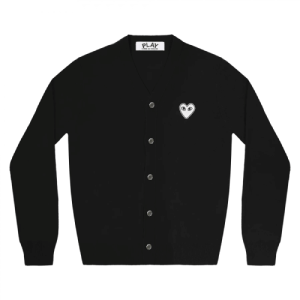
Comme des Garçons: Where Rebellion Becomes Style
In a fashion world driven by trends,https://commedesgarcons.jp/ seasons, and commercial expectations, Comme des Garçons stands apart as a radical force. Founded by Rei Kawakubo in Tokyo in 1969, the brand has never aimed to please in conventional ways. Instead, it has consistently challenged ideas of beauty, wearability, and even what clothing is meant to represent. At Comme des Garçons, rebellion is not an attitude—it is a design philosophy.
Breaking Fashion’s Comfort Zone
From its earliest collections, Comme des Garçons rejected the polished elegance traditionally associated with high fashion. Distressed fabrics, asymmetrical cuts, unfinished hems, and oversized silhouettes disrupted the idea that clothing should flatter the body. Kawakubo introduced garments that questioned symmetry, proportion, and perfection, forcing audiences to rethink their expectations of style.
When the brand debuted in Paris in the early 1980s, critics were stunned. Dark, torn, and deconstructed pieces stood in sharp contrast to the glamorous excess of the era. What some initially dismissed as “anti-fashion” soon revealed itself as something deeper: a new visual language that embraced imperfection and individuality.
Fashion as Intellectual Expression
Comme des Garçons is not about following rules—it is about questioning them. Each collection operates like a conceptual statement, often inspired by abstract ideas rather than wearable trends. Kawakubo treats clothing as a medium for thought, exploring themes such as identity, gender, absence, and the relationship between body and space.
This intellectual approach is what transforms rebellion into style. The garments may appear challenging, but they carry intention and depth. They invite the wearer—and the viewer—to engage, interpret, and reflect. In this way, Comme des Garçons blurs the line between fashion, art, and philosophy.
Redefining Beauty and Identity
One of the brand’s most radical contributions is its refusal to conform to traditional standards of beauty. Comme des Garçons designs often obscure the body rather than highlight it, rejecting the idea that fashion must be seductive or decorative. This approach has played a key role in redefining gender norms, offering silhouettes that feel fluid, ambiguous, and free from labels.
By doing so, the brand empowers individuality. Wearing Comme des Garçons is not about fitting in; it is about expressing a personal point of view. The rebellion lies in choosing authenticity over approval.
A Lasting Influence on Fashion
Despite its avant-garde reputation, Comme des Garçons has had a profound influence on the global fashion industry. Designers across generations have drawn inspiration from its bold experimentation and fearless creativity. The brand’s diffusion lines and collaborations have also brought its radical spirit to a wider audience, proving that challenging ideas can coexist with commercial success.
Yet, even as trends change, Comme des Garçons remains uncompromising. It continues to resist easy interpretation, staying true to its core belief that fashion should provoke thought rather than simply decorate the body.
Where Rebellion Becomes Style
Comme des Garçons is more than a fashion label—it is a movement rooted in defiance and innovation. Rei Kawakubo’s vision has shown that rebellion does not have to be loud or aggressive; it can be quiet, intellectual, and deeply personal. By turning resistance into design and questioning into beauty, Comme des Garçons has redefined what style can mean.
In a world that often values conformity, https://greenfieldhubs.com/ Comme des Garçons reminds us that true style begins where rebellion is embraced.
Related Post

Cole Buxton Clothing Online | Authentic Streetwear
Streetwear has advanced some distance past its city roots. Today, it represents a tradition, a…