
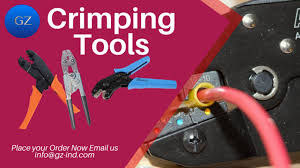
Crimping Tool: The Essential Guide for Every Technician
Introduction
A crimping tool is a vital piece of equipment for anyone working with wires, cables, or connectors. Whether you’re a professional electrician, a DIY enthusiast, or someone working in electronics, understanding the right tool for the job can save time, improve safety, and ensure lasting results.
What is a Crimping Tool?
A crimping tool is a hand-held device designed to join a connector to a cable or wire by compressing it tightly. Unlike soldering, crimping doesn’t require heat; instead, it relies on mechanical force to create a secure connection. The result is a stable, long-lasting electrical or mechanical connection.
Key Components of a Crimping Tool
- Handles – Provide leverage to make crimping easier. To lessen hand fatigue, some handles have an ergonomic design.
- Jaws – The part that actually compresses the connector onto the wire. Different jaw shapes are designed for different connector types.
- Ratchet Mechanism – Ensures uniform pressure during crimping and prevents incomplete crimps.
- Die Set – Some tools allow interchangeable dies to handle multiple wire sizes and connector types.
Types of Crimping Tools
Crimping tools come in different varieties depending on the type of connector and wire. Understanding which type to use is essential for quality and safety.
- Manual Crimping Tools – Simple hand-operated tools suitable for small projects and occasional use.
- Ratchet Crimpers – Provide consistent crimps by applying pressure automatically, ideal for professional use.
- Hydraulic Crimping Tools – Used for heavy-duty applications, such as thick cables in industrial settings.
- Pneumatic Crimping Tools – Operated by air pressure, these are efficient for high-volume work.
How to Use a Crimping Tool Correctly
- Select the right connector – Match the connector type and size to your wire.
- Strip the wire – Remove insulation without damaging the wire strands.
- Insert the wire – Place the wire into the connector fully.
- Crimp – Apply pressure evenly until the connector is firmly attached.
- Inspect – Ensure there are no loose strands and that the connection is secure.
Benefits of Using a Crimping Tool
- Reliable Connections – Crimped joints are strong and tool crimping resistant to vibration and corrosion.
- Time-Saving – Faster than soldering and easier to perform in tight spaces.
- Versatility – Works with a wide range of wire sizes and connector types.
- Safety – Reduces the risk of poor electrical connections that can cause overheating or failure.
Choosing the Best Crimping Tool
When selecting a crimping tool, consider:
- Wire gauge compatibility – Ensure the tool matches your most common wire sizes.
- Connector type – Some tools are specialized for insulated terminals, coaxial connectors, or RJ45 connectors.
- Build quality – High-quality materials and ergonomic design improve durability and comfort.
- Budget – Professional-grade tools may cost more but offer greater reliability and precision.
Maintenance Tips for Longevity
- Keep the tool clean and free from dust or debris.
- Lubricate moving parts occasionally.
- Store in a dry place to prevent rust.
- Inspect regularly for wear and replace worn dies or jaws.
Conclusion
A crimping tool is more than just a handy gadget—it’s a critical instrument for creating strong, reliable connections in electrical and electronic projects. By understanding the types, proper usage, and maintenance, anyone can achieve professional-quality results every time. Investing in the right crimping tool will pay off in efficiency, safety, and reliability.
Read More Latest Articles: Clicking Here
Related Post

Can small businesses use AI solutions effectively?
Absolutely—small businesses can not only use AI solutions effectively, but they can also gain a…