
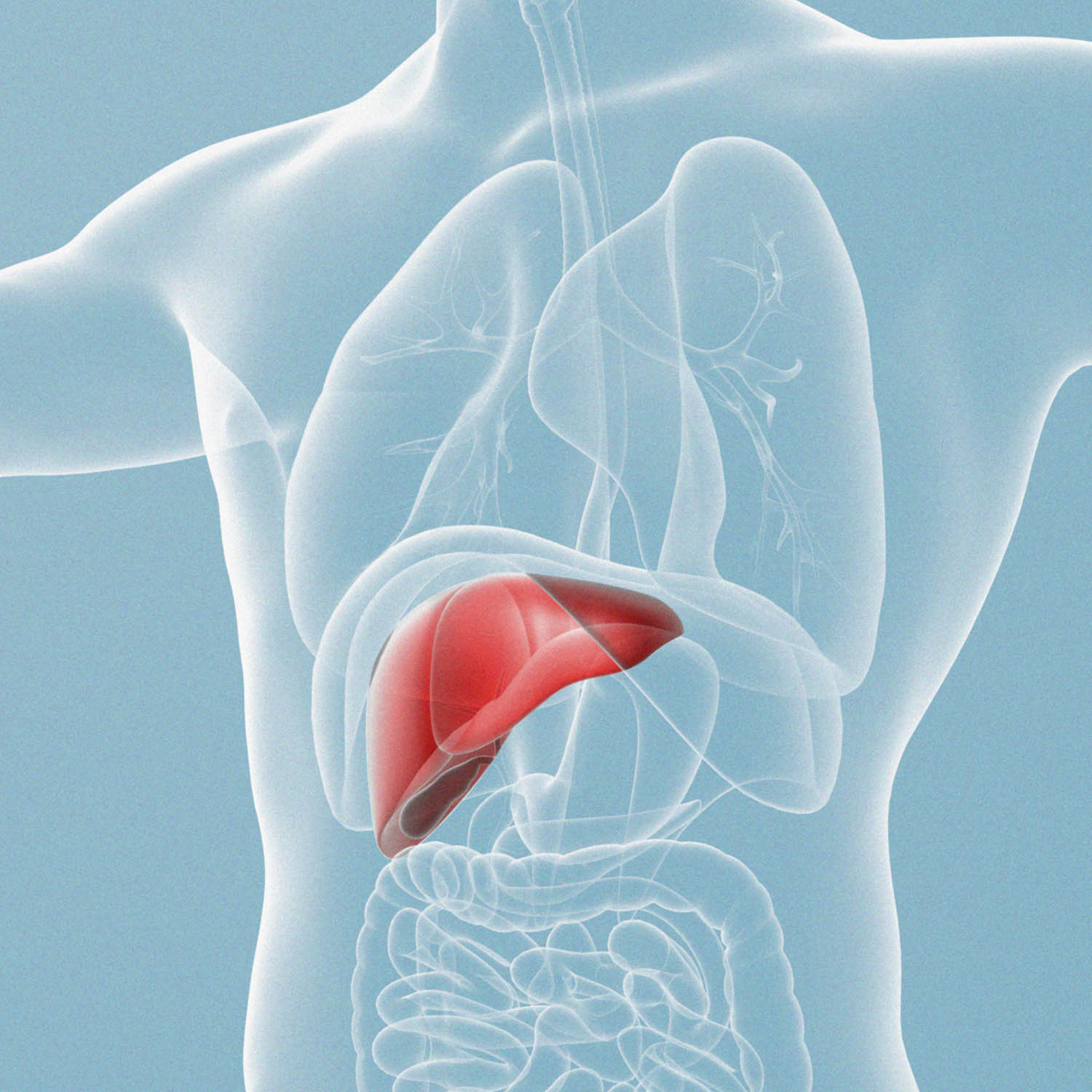
Guide to Visiting a Hepatologist for Liver Care in Dubai
The liver is one of the most important organs in the human body. It works silently every day to clean toxins from the blood, help digest food, store energy, and support overall health. Many people do not realize there is a liver problem until symptoms become serious. This is why understanding liver care and knowing when to seek medical help is very important.
If you are experiencing ongoing digestive issues, tiredness, or unexplained health changes, it may be time to consult a specialist. Visiting a hepatologist dubai can help you understand your liver health and receive the right care at the right time.
This guide explains everything you need to know about visiting a hepatologist in Dubai. It is written in very simple and easy-to-understand language to help you feel confident and informed.
What Is a Hepatologist?
A hepatologist is a medical doctor who specializes in liver health. This doctor is trained to diagnose, treat, and manage diseases related to the liver, gallbladder, bile ducts, and sometimes the pancreas.
Unlike a general physician, a hepatologist focuses only on liver-related problems. This allows them to have deeper knowledge and experience in handling both common and complex liver conditions.
Why Liver Health Is Important
The liver plays many key roles in the body, including:
- Cleaning harmful substances from the blood
- Helping digest fats and nutrients
- Storing vitamins and minerals
- Regulating blood sugar levels
- Supporting the immune system
When the liver is not working properly, it can affect the whole body. Early care can prevent serious complications and improve long-term health.
Common Liver Problems People Face
Many liver conditions develop slowly and may not cause pain in the early stages. Some common liver problems include:
Fatty Liver Disease
This happens when excess fat builds up in the liver. It is often linked to poor diet, lack of exercise, obesity, or diabetes.
Hepatitis
Hepatitis is inflammation of the liver. It can be caused by viruses, alcohol use, or certain medications.
Liver Cirrhosis
This is a serious condition where healthy liver tissue is replaced with scar tissue. It affects liver function and usually develops over time.
Liver Infections
Infections can damage liver cells and reduce liver efficiency if not treated properly.
Gallbladder and Bile Duct Problems
These issues can block bile flow and cause pain, jaundice, and digestive problems.
Signs You May Need to See a Hepatologist
Many people ignore early signs of liver problems. You should consider seeing a liver specialist if you notice:
- Constant tiredness or weakness
- Yellowing of the skin or eyes
- Abdominal pain or swelling
- Dark urine or pale stools
- Loss of appetite
- Frequent nausea or vomiting
- Unexplained weight loss
These symptoms may seem mild at first, but they can indicate a deeper liver issue.
When Should You Visit a Liver Specialist?
You should not wait until symptoms become severe. Early diagnosis leads to better treatment results. You may need to visit a hepatologist if:
- Blood tests show abnormal liver results
- You have a family history of liver disease
- You consume alcohol regularly
- You have diabetes or high cholesterol
- You have been diagnosed with hepatitis
- You are taking long-term medications that affect the liver
What to Expect During Your First Visit
Many people feel nervous before their first specialist visit. Knowing what to expect can make the experience easier.
Medical History Discussion
The doctor will ask about your symptoms, lifestyle, diet, alcohol use, medications, and family history.
Physical Examination
A gentle examination of the abdomen may be done to check for swelling or tenderness.
Diagnostic Tests
The doctor may recommend tests such as:
- Blood tests to check liver function
- Ultrasound or imaging scans
- Fibrosis or liver stiffness tests
- In some cases, a liver biopsy
These tests help understand the condition of the liver clearly.
How Liver Conditions Are Diagnosed
Accurate diagnosis is very important for effective treatment. Common diagnostic tools include:
Blood Tests
These show how well the liver is functioning and help detect infections or inflammation.
Imaging Tests
Ultrasound, CT scans, or MRI scans help visualize the liver structure.
Non-Invasive Liver Tests
Special scans measure liver stiffness and fat content without surgery.
Liver Biopsy
In rare cases, a small tissue sample is taken for detailed analysis.
Treatment Options for Liver Diseases
Treatment depends on the type and stage of liver disease. The main goal is to stop damage and support liver recovery.
Lifestyle Changes
Many liver problems improve with:
- Healthy diet
- Regular exercise
- Weight management
- Avoiding alcohol
Medications
Medicines may be prescribed to:
- Treat infections
- Reduce inflammation
- Control symptoms
- Manage underlying conditions
Long-Term Monitoring
Chronic liver conditions need regular check-ups to track progress and prevent complications.
Role of Diet in Liver Health
Diet plays a major role in liver care. A hepatologist may recommend:
- Eating fresh fruits and vegetables
- Choosing whole grains
- Reducing fatty and fried foods
- Limiting sugar intake
- Drinking enough water
Healthy eating can reduce liver fat and improve function over time.
Importance of Regular Follow-Ups
Liver diseases often need long-term care. Regular follow-ups help:
- Monitor treatment response
- Adjust medications
- Detect complications early
- Support lifestyle improvements
Skipping follow-ups can slow recovery and increase risks.
Why Choose Dubai for Liver Care?
Dubai is known for high-quality healthcare services and advanced medical facilities. Patients benefit from:
- Modern diagnostic technology
- Experienced specialists
- International healthcare standards
- Multilingual medical teams
- Comfortable and patient-friendly environments
This makes Dubai a trusted destination for liver care.
How to Prepare for Your Appointment
To make the most of your visit:
- Carry previous medical reports
- List your symptoms clearly
- Note down medications you are taking
- Be honest about lifestyle habits
- Prepare questions in advance
Good preparation helps the doctor give better advice.
Emotional Support and Liver Health
Liver disease can affect mental and emotional well-being. Anxiety and stress are common. Support from family, counseling, and clear communication with your doctor can make the journey easier.
Preventing Liver Diseases
Prevention is always better than treatment. Simple steps include:
- Avoiding excessive alcohol
- Maintaining a healthy weight
- Getting vaccinated for hepatitis
- Avoiding unnecessary medications
- Practicing safe hygiene
Small lifestyle changes can protect liver health for years.
Myths About Liver Disease
Many people believe myths that delay proper care, such as:
- Liver disease only affects alcohol users
- Liver pain is always severe
- Young people cannot have liver problems
These myths are not true. Liver disease can affect anyone.
Long-Term Outlook for Liver Patients
With early diagnosis and proper care, many liver conditions can be managed successfully. Modern treatments allow patients to live normal and active lives.
Conclusion
Taking care of your liver is essential for overall health. Early diagnosis, healthy habits, and specialist care can prevent serious complications. If you are looking for expert liver guidance, consulting a trusted hepatologist in dubai can make a big difference. For professional liver care in Dubai, patients can confidently seek guidance from Dr. Neil Philip Galletly, who provides dedicated and comprehensive support for liver health.
Understanding when to visit a specialist and what to expect can help you take control of your health and protect your liver for the future.
Related Post
Juvederm Smile Line Treatment: Expert Guide by the Best Doctors in Dubai
Smile lines, also known as nasolabial folds, are among the earliest and most noticeable signs…