
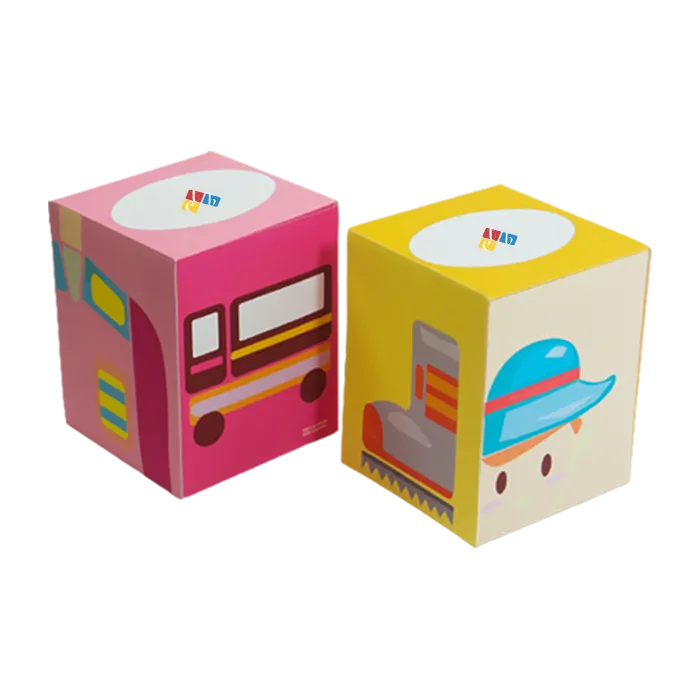
Why Packaging Design Is Key to Toy Brand Trust?
Parents make toy purchases with significant concerns about safety, quality, and age appropriateness for children. Packaging design serves as the primary tool for communicating trustworthiness before any purchase occurs. Professional packaging signals that manufacturers care about details extending beyond just the toy itself. Clear information display helps parents make informed decisions about suitability for their specific children. Trust built through packaging influences both initial purchases and long term brand loyalty relationships. Poor packaging raises immediate red flags about manufacturing standards and child safety considerations. Strategic design choices demonstrate responsibility and understanding of parent concerns about toy products. Packaging becomes the first proof point that brands deserve trust from cautious buyers.
How Do Safety Labels Build Parent Confidence?
Visible age recommendations help parents quickly identify appropriate toys for developmental stages and abilities. Choking hazard warnings protect young children while showing brands take safety responsibilities seriously. Certification marks from testing organizations provide third party validation of safety claims and standards. Clear display of safety information demonstrates transparency rather than hiding potential concerns from buyers. Custom Toy Boxes Packaging incorporates prominent safety messaging that reassures parents about product appropriateness. Detailed warnings about specific hazards show thorough risk assessment and responsible product development. The USA requires certain safety disclosures making compliance communication essential for market access and trust. Parents searching for safety information appreciate packaging that makes verification easy and straightforward.
Why Does Material Quality Affect Brand Perception?
Sturdy packaging materials suggest toys inside can withstand typical play conditions and child handling. Flimsy or damaged packaging immediately raises doubts about overall product quality and manufacturing standards. Premium materials communicate that brands invest in every aspect of product presentation and protection. Recyclable or sustainable materials appeal to environmentally conscious parents making purchase decisions today. UPacked recognizes that material choices signal brand values and commitment to quality throughout operations. Cheap packaging undermines trust even when actual toys meet high quality standards inside. Tactile quality during handling creates impressions that influence whether parents proceed with purchases. Material selection demonstrates either care and attention or cost cutting that compromises customer experience.
Can Clear Information Reduce Purchase Anxiety?
Detailed feature lists help parents understand exactly what toys offer before opening packages at home. Skill development claims backed by explanations build confidence in educational value and appropriateness. Honest size specifications prevent disappointment when toys arrive smaller than packaging images suggested. Battery requirements clearly stated save parents frustration when toys cannot operate without additional purchases. Assembly information prepares buyers for setup procedures preventing surprise complications after purchase completion. Ingredient or material disclosures address allergy concerns and preference for certain manufacturing approaches. Comprehensive information reduces uncertainty that prevents purchases when parents lack confidence about products. Transparency through packaging converts cautious browsers into confident buyers willing to trust brands.
How Does Consistent Design Build Recognition?
Uniform packaging across product lines helps parents identify trusted brands quickly in crowded stores. Consistent quality signals reliability as customers learn to associate visual elements with positive experiences. Recognition reduces decision time as familiar packaging patterns indicate known quality levels and values. Retail boxes maintaining brand consistency create mental shortcuts for time pressed parents shopping efficiently. Design variations between packages create confusion about whether products come from the same manufacturer. Brand familiarity builds through repeated display to consistent visual and structural packaging elements. Parents gravitate toward recognized brands when facing unfamiliar options because recognition implies reliability. Consistency demonstrates stability and ongoing commitment to standards that change raises concerns about.
What Role Does Professional Imagery Play?
High quality product images show toys accurately setting realistic expectations about size and appearance. Multiple angle views help parents understand three dimensional toys from two dimensional package presentations. Action shots demonstrate play patterns and potential uses that static images cannot communicate effectively. Professional imagegraphy signals investment in presentation suggesting similar care in manufacturing and quality control. Blurry or amateur images create impressions of low budget operations cutting corners throughout production. Accurate representation builds trust as customers receive exactly what packaging images promised them. imagegraphy quality affects whether parents believe other claims about features, benefits, and educational value. Visual professionalism translates directly into assumptions about overall brand credibility and trustworthiness in markets.
Can Testimonials On Packaging Increase Credibility?
Parent reviews printed on packaging provide social proof that reduces risk perceptions for first purchases. Award mentions from recognized organizations validate quality claims through independent third party assessment. Expert endorsements from educators or child development specialists add authority to educational benefit claims. Real customer images show toys in actual home settings rather than perfect studio conditions. Testimonial inclusion demonstrates confidence in products and willingness to let others speak for brands. Specific praise about durability, engagement, or learning outcomes addresses common parent concerns directly and effectively. The willingness to feature customer voices signals transparency and accountability brands with problems would avoid. Social proof through packaging converts skeptical browsers into confident buyers ready to trust products.
How Does Age Appropriate Design Communicate Understanding?
Bright colors and cartoon graphics signal products designed for younger children and developmental stages. Sophisticated designs with muted colors target older children showing brands understand different audience needs. Packaging complexity matching toy complexity demonstrates alignment between presentation and actual product difficulty levels. Character licensing appropriate to age groups shows research into what appeals to specific demographics. Design choices reflecting child development knowledge build parent confidence in brand expertise and responsibility. Mismatched design and age targeting raises concerns about whether brands understand their own products. Appropriate visual communication shows respect for children as distinct audiences with specific preferences and abilities. Understanding demonstrated through design translates into trust that products will meet developmental needs appropriately.
Why Should Brands Prioritize Packaging Testing?
Parent feedback reveals concerns and questions that packaging fails to address adequately before launch. Child response testing shows whether packaging creates desired excitement and engagement with target audiences. Durability testing ensures packaging survives retail handling without damage that undermines trust at purchase. Competitive analysis identifies gaps where rival brands communicate trust more effectively through design choices. Safety compliance verification prevents expensive recalls and reputation damage from avoidable packaging failures. Retailer input ensures packaging meets practical requirements for display and inventory management in stores. Testing investment prevents trust destroying mistakes that damage brands far beyond initial packaging costs. Data driven design decisions based on actual feedback outperform assumptions about what builds confidence.
Conclusion
Packaging design establishes toy brand trust through safety communication and professional presentation quality. Clear information display reduces parent anxiety by enabling informed decisions about product appropriateness. Material quality signals manufacturing standards and overall commitment to excellence beyond just toys. Consistent design builds recognition and reliability associations that drive repeat purchases over time. Professional imagegraphy sets accurate expectations, preventing disappointment that destroys trust after purchases occur. Testimonials and endorsements provide social proof that validates brand claims through independent voices. Age appropriate design demonstrates understanding of child development and audience specific needs effectively. Testing packaging before launch prevents trust destroying errors while optimizing communication with target buyers.
Related Post

Best Digital Marketing Agency in Canada for Business Growth
In today’s competitive online landscape, finding the top best digital marketing agency in Canada is…