
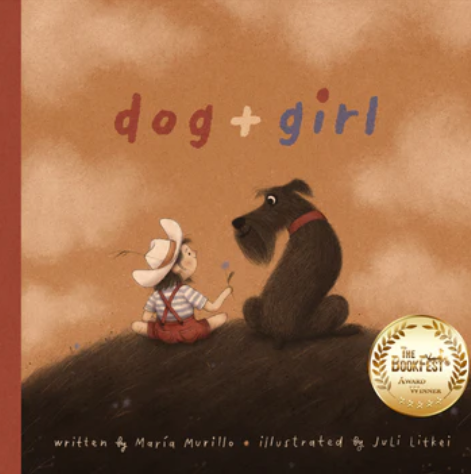
Children’s Picture Books with Animals – Cute, Colorful & Engaging Tales
Introduction
Welcome to Lyvro Publishing’s guide to the best children’s picture books with animals for early learning! At Lyvro, our passion is simple: we believe in the power of reading to spark imagination, build empathy, and bring joy to young readers and their families. Our collection — rooted in heartwarming stories and playful themes — reflects our philosophy of childhood done right: intentional, engaging, and full of adventure.
In this article, we’ll explore why animal-themed picture books are essential for early learning, how they help children grow, and how Lyvro’s approach to storytelling connects to this rich world of animal stories.
Why Animal Picture Books Matter for Early Learning
Animals capture children’s attention. From loyal family pets to wild creatures in far-away jungles, animal characters make learning feel like play. Picture books with animals help develop:
1. Vocabulary and Language Skills
Children learning to speak and read benefit enormously from books with simple animal names and descriptive scenes. Repeated exposure to words like “dog,” “cat,” “lion,” or “bird” help young minds build vocabulary naturally. When these words are paired with bright pictures and fun storytelling, learning becomes intuitive.
2. Emotional Intelligence and Empathy
Stories featuring animals — especially those that go through adventures, show loyalty, or express feelings — teach children how to understand emotions. At Lyvro, our stories often focus on life lessons through relatable animal characters, which allows kids to connect emotional learning with joy and curiosity.
3. Creativity and Imagination
Animals live in diverse environments — farms, oceans, forests, and backyards. Picture books encourage children to imagine places they’ve never seen and adventures they’ve never taken. A simple page turn can transport a child from a cozy bedroom to a bustling savanna full of running zebras!
What Makes a Great Children’s Picture Book with Animals?
Not all animal books are created equal. The best ones for early learners should have:
Simple, Engaging Language
The text should be short, rhythmic, and easy to understand — perfect for reading aloud or beginner readers.
Bright, Colorful Illustrations
Animals should be depicted clearly and attractively so children can easily associate words with images.
Themes that Teach
Books that showcase animal behavior — caring for pets, exploring habitats, or showing friendship — help children learn real-world lessons.
Relatable Characters
Whether it’s a playful puppy or a curious kitten, animal characters should feel familiar and friendly to children.
Lyvro Publishing’s Philosophy: Stories that Connect
At Lyvro Publishing, we’re a small indie team devoted to creating stories that resonate with both kids and their caregivers. Based deep in the heart of Texas, we craft books that spark imagination, build empathy, and bring joy — often through meaningful animal characters.
While our current focus includes dog-themed tales that celebrate love, loyalty, and growth, our commitment to childhood learning and play means we’re always exploring new ways to bring animals to life in books that matter. Whether through trusted favorites or fresh new stories, Lyvro’s vision is to connect families through reading, play, and everyday wonder.
Top Themes in Animal Picture Books for Early Learning
Here are the key animal-related themes that make picture books powerful tools for early learning:
1. Pets and Companionship
Pets like dogs and cats teach children about responsibility, care, and friendship. They help kids learn how to express affection and understand the needs of another living being.
Every book that features a loyal dog or a curious puppy — much like many of the stories we champion at Lyvro — introduces simple yet profound life lessons in a way children can understand.
2. Farm Animals and Daily Life
Farm animal books — with cows, horses, sheep, and pigs — expose children to everyday animals they might see on farms or in countryside stories. These books help reinforce basic animal names and sounds and set the stage for learning more complex concepts like habitats and food chains.
3. Wild Animals and Adventure
Books about lions, giraffes, elephants, and other wild animals transport children to far-off landscapes. These picture books broaden a child’s understanding of the world while building vocabulary related to nature and biodiversity.
4. Animal Families and Emotions
A common and powerful theme in animal picture books is family. From a mama duck teaching her ducklings to swim to a furry bear protecting her cubs, stories like these help children explore feelings like safety, love, fear, and curiosity.
How Parents and Educators Can Use Animal Books for Learning
Here are some creative ways to make the most out of animal picture books:
1. Interactive Reading Sessions
Ask open-ended questions like “What do you think the dog is feeling?” or “Where do you think this animal lives?” Questions help boost critical thinking and language use.
2. Animal Sound Games
When you read animal sounds, pause and encourage your child to mimic them. This fun activity reinforces memory and sound recognition.
3. Drawing and Play Activities
After reading, let kids draw their favorite animals or act out a scene. Applying creativity enhances recall and deepens learning.
Recommended Animals to Include in Your Picture Book List
When building an animal book list for early learning, aim for a mix of:
- Domestic Animals — Dogs, cats, rabbits
- Farm Animals — Horses, cows, pigs
- Wild Animals — Lions, elephants, monkeys
- Ocean Animals — Dolphins, turtles, fish
This variety keeps reading fresh and ensures children get exposed to animals from different environments and lifestyles.
Tips for Choosing the Best Picture Books
When parents or educators choose books for early learners:
- Look for board books for toddlers — sturdy pages withstand repeated use.
- Choose books with high-contrast images — perfect for babies and early readers.
- Pick stories with rhymes or repeated phrases — these enhance memorization and make reading more fun.
Final Thoughts
Animal picture books do more than teach names and sounds — they open doors. They invite exploration, connection, empathy, and joy. At Lyvro Publishing, our love of stories and passion for childhood learning are reflected in every tale we share. Whether your child is just beginning to recognize letters or is already exploring the wider world through pictures, animal picture books are an essential part of their early learning journey.
Thank you for exploring this guide to the best children’s picture books with animals for early learning. May your next reading adventure be filled with delightful creatures and unforgettable moments!
Related Post

Best Engineering Assignment Help in London for UK Students
Studying engineering in the UK can be exciting, but let’s be honest—it can also be…