Sustainability has become a central focus in modern manufacturing, and packaging industries are no exception. As consumers demand environmentally responsible alternatives, businesses are turning to innovative solutions that reduce waste and carbon footprints. One of the most promising technologies in this field is the fiber molding machine, which enables the creation of eco-friendly packaging from renewable materials such as recycled paper, cardboard, and agricultural residues. This technology is revolutionizing the packaging sector by offering biodegradable, compostable, and cost-effective solutions that meet growing environmental standards.
The fiber molding machine is more than just a production tool; it represents a shift toward sustainable manufacturing practices. Unlike traditional plastic packaging, fiber-based products can decompose naturally, minimizing pollution and contributing to a circular economy. Companies adopting this technology are not only enhancing their brand image but also responding to regulatory pressures and consumer expectations for green packaging solutions. As the industry evolves, understanding the latest trends in fiber molding technology is critical for manufacturers seeking to stay competitive.
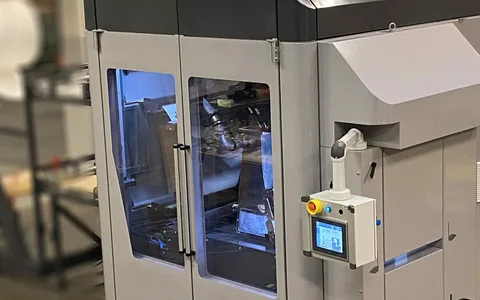
Modern fiber molding machines are increasingly incorporating automation and smart manufacturing capabilities. Advanced robotic systems and computer-controlled processes ensure consistent product quality, reduced labor costs, and faster production cycles. By integrating Internet of Things (IoT) sensors, these machines can monitor every stage of production, allowing manufacturers to optimize material usage, detect defects in real-time, and improve overall efficiency.
Automation in fiber molding also supports scalability, enabling businesses to meet growing demand without compromising environmental sustainability. Smart systems reduce material waste by precisely controlling pulp distribution and molding pressure. This technological integration ensures that eco-friendly packaging production is not only environmentally responsible but also economically viable for manufacturers seeking to expand in global markets.
The core of the fiber molding trend lies in the continuous innovation of sustainable raw materials. Today’s fiber molding machines can process a wide range of renewable materials, including recycled paper, sugarcane bagasse, wheat straw, and bamboo fibers. These materials not only reduce dependence on plastics but also promote the use of agricultural byproducts that would otherwise go to waste.
Material innovation is driving the versatility of eco-packaging, allowing manufacturers to produce products ranging from food containers and trays to protective packaging for electronics. As more industries adopt these solutions, the demand for fiber molding machines capable of handling diverse materials continues to grow. This trend reinforces the role of fiber molding technology as a cornerstone of sustainable packaging innovation.
Energy efficiency has become a critical focus for manufacturers using fiber molding machine. Modern machines are designed to consume less energy while maintaining high production speeds. Innovations in heating systems, vacuum molding, and drying techniques significantly reduce energy consumption compared to older models, making the production process greener and more cost-effective.
Reducing the carbon footprint of packaging production aligns with global sustainability goals and consumer expectations. Manufacturers who invest in energy-efficient fiber molding technology demonstrate a commitment to environmental responsibility, which can enhance brand reputation and open doors to eco-conscious markets. This focus on efficiency not only benefits the planet but also translates into long-term financial savings for businesses.
The demand for visually appealing and functional eco-packaging has led to increased customization capabilities in fiber molding machines. Modern systems allow for intricate shapes, sizes, and surface textures, enabling brands to differentiate their products in competitive markets. From egg trays and takeout containers to luxury product packaging, fiber molding machines provide the flexibility required for diverse design needs.
Customization extends beyond aesthetics. Fiber molding technology can also optimize packaging strength, cushioning, and water resistance, ensuring that products are well-protected during transport. By combining eco-friendly materials with advanced design capabilities, manufacturers can meet both consumer expectations and sustainability standards, positioning themselves as leaders in the green packaging revolution.
The adoption of fiber molding machines is accelerating globally, driven by regulatory pressures, consumer demand, and corporate sustainability initiatives. Countries are increasingly banning single-use plastics, prompting manufacturers to transition to biodegradable alternatives. Fiber molding technology offers a practical solution that aligns with these regulations while maintaining production efficiency and profitability.
Market research indicates a strong growth trajectory for the eco-packaging sector, with fiber-based products expected to capture a significant share of the packaging industry in the coming years. As more companies recognize the benefits of fiber molding machines, from cost savings to environmental impact, this trend is likely to continue, shaping the future of sustainable packaging worldwide.
The rise of fiber molding machines reflects a broader shift towards sustainable and eco-friendly manufacturing practices. From automation and smart systems to sustainable material innovations, energy efficiency, customization, and growing market adoption, these machines are transforming the packaging industry. Manufacturers investing in fiber molding technology not only reduce environmental impact but also position themselves at the forefront of the eco-packaging revolution. As global demand for green packaging solutions continues to grow, the influence of fiber molding machines on sustainable manufacturing will only become more significant.