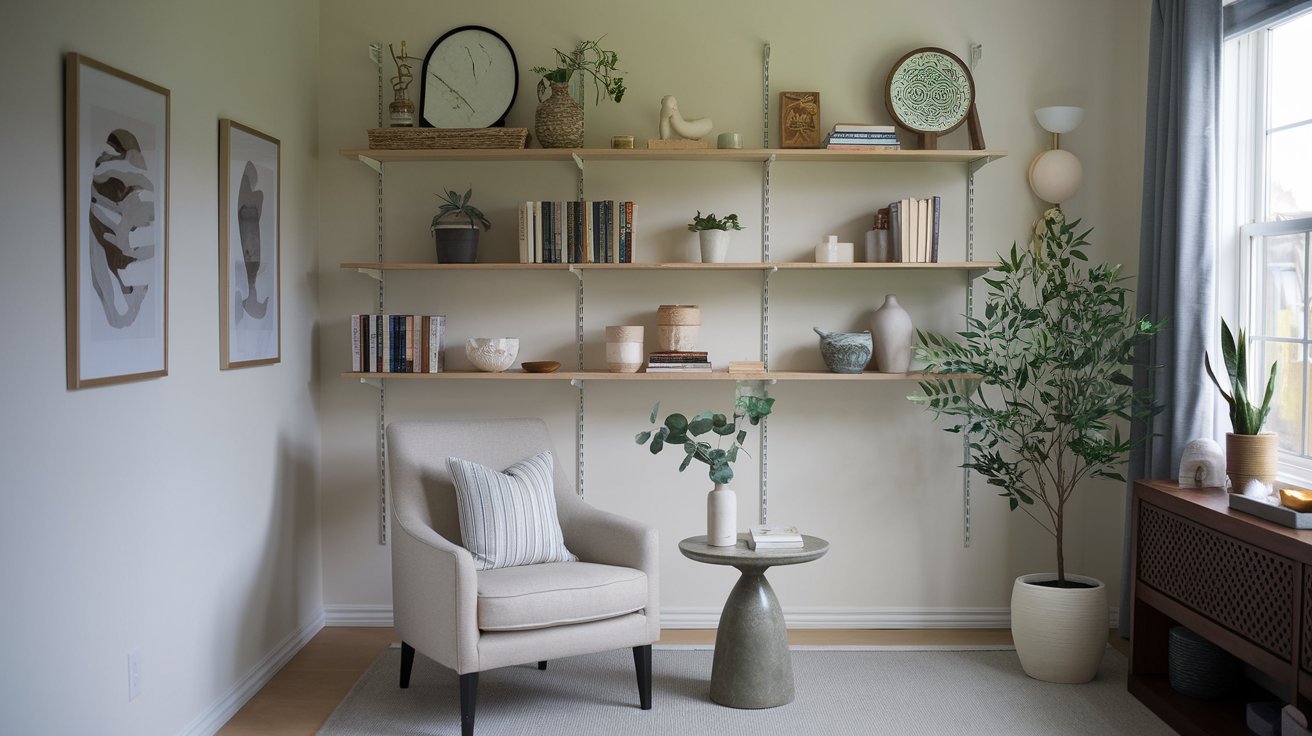
In a world where screens dominate nearly every waking moment, the idea of a screen-free retreat room feels quietly revolutionary. Homes are no longer just places to sleep and eat—they are offices, classrooms, and entertainment hubs. Yet, within this constant connectivity, the need for intentional disconnection has never been stronger. Designing a room dedicated to wellness, calm, and presence allows homeowners to reclaim mental clarity and emotional balance.
For homeowners working with Custom Builder builders in Cape Cod, screen-free retreat rooms are becoming a meaningful design priority. These spaces are not about luxury in the traditional sense; they are about restoration, mindfulness, and creating a sanctuary where the mind can rest.
Summary:
Screen-free retreat rooms offer intentional disconnection. They support mental clarity, emotional balance, and holistic wellness at home.
Screen-free design is rooted in the idea that our nervous systems need moments of stillness. Constant notifications, blue light exposure, and digital multitasking contribute to stress and fatigue. A retreat room counters this by removing digital distractions entirely.
This philosophy embraces slow living—spaces designed for reflection, breathing, and presence. It encourages homeowners to reconnect with themselves rather than their devices.
Summary:
Screen-free living promotes calm and mindfulness. It creates space for rest and deeper self-awareness.
Placement matters when designing a retreat room. Ideally, it should be away from high-traffic areas such as kitchens or living rooms. Spare bedrooms, attic conversions, or quiet corners with natural light work best.
Privacy and sound control are essential. A well-placed retreat room feels separate from daily routines, reinforcing the sense of escape even within the home.
Summary:
Location influences the effectiveness of a retreat room. Quiet, private areas enhance the feeling of separation and calm.
Natural light plays a powerful role in wellness-focused design. Soft daylight supports circadian rhythms, improves mood, and reduces eye strain. Large windows, skylights, or light-filtering curtains help create a gentle, soothing atmosphere.
Instead of harsh artificial lighting, retreat rooms benefit from layered light sources that adapt to different times of day and emotional needs.
Summary:
Natural light supports emotional and physical wellness. It creates a calming environment without overstimulation.
Color psychology is central to screen-free spaces. Soft neutrals, warm whites, muted greens, clay tones, and sandy beiges ground the room and reduce visual noise.
Avoiding bold contrasts or overly bright colors helps the mind relax. The goal is to create visual harmony that encourages stillness rather than stimulation.
Summary:
Earthy tones promote calm and balance. They reduce sensory overload and support relaxation.
Without screens, the senses become more engaged. Natural textures such as linen, wool, raw wood, stone, and cotton invite touch and awareness. These materials anchor the body in the present moment.
Handcrafted or imperfect finishes add warmth and authenticity, reinforcing the human connection within the space.
Summary:
Tactile materials enhance sensory awareness. They deepen the feeling of presence and comfort.
Furniture selection defines how the room is used. Instead of desks or office chairs, retreat rooms benefit from floor cushions, chaise lounges, yoga mats, meditation stools, or rocking chairs.
The absence of task-oriented furniture sends a subtle message: this space is for rest, not output. Comfort takes precedence over efficiency.
Summary:
Wellness-focused furniture supports relaxation. It shifts the room’s purpose away from productivity.
Silence is not always achievable, but sound control is essential. Soft textiles, rugs, upholstered furniture, and acoustic panels help absorb noise and create a tranquil soundscape.
Some retreat rooms incorporate natural sounds—wind chimes, water features, or gentle white noise—to mask external distractions without overwhelming the senses.
Summary:
Acoustic comfort enhances mental calm. Controlled sound environments support deeper relaxation.
Smell is deeply connected to emotion and memory. Retreat rooms often include natural scent elements such as essential oil diffusers, dried herbs, or beeswax candles.
Proper ventilation and air-purifying plants improve air quality, reinforcing the physical sense of wellbeing within the space.
Summary:
Scent and air quality influence emotional health. Clean air and subtle aromas enhance relaxation.
Screen-free retreat rooms embrace minimalism, but not sterility. Each object should have intention—books, journals, musical instruments, or meaningful artifacts.
Clutter is avoided not for aesthetic reasons alone, but to reduce cognitive load. The space feels open, but never cold.
Summary:
Intentional minimalism supports mental clarity. Fewer objects create space for calm without feeling empty.
Biophilic design strengthens the connection between indoor spaces and nature. Indoor plants, natural materials, and views of greenery reduce stress and improve emotional wellbeing.
Even in homes without outdoor views, nature-inspired patterns and organic forms help replicate this calming effect.
Summary:
Biophilic design reconnects occupants with nature. It supports emotional balance and relaxation.
The most effective retreat rooms are tied to rituals rather than schedules. Morning meditation, afternoon journaling, evening stretching, or quiet reading become grounding habits.
These rituals reinforce the room’s purpose and help homeowners maintain consistency without pressure.
Summary:
Rituals give retreat rooms meaning. They turn the space into a wellness habit rather than a design feature.
Screen-free spaces are not limited to adults. Children benefit from quiet reading rooms, creative corners, or sensory-safe environments free from digital stimulation.
For families, these rooms become shared sanctuaries that encourage connection, imagination, and emotional regulation.
Summary:
Screen-free rooms support all ages. They foster creativity, focus, and emotional wellbeing.
Beyond physical design, retreat rooms shape emotional experience. They remind homeowners that rest is not a reward—it is a necessity. The room becomes a boundary against burnout.
This emotional architecture influences how people feel long after they leave the space, subtly improving daily life.
Summary:
Retreat rooms shape emotional well-being. They redefine rest as an essential part of living.
Designing a screen-free retreat room is an act of intention. It reflects a conscious choice to slow down, listen inward, and prioritize mental health within the home.
These spaces tell a quiet story—one of balance, awareness, and respect for the human need to unplug.
Summary:
Screen-free rooms reflect intentional living. They support a healthier relationship with technology.
While trends change, wellness-focused design continues to gain relevance. Screen-free retreat rooms add lasting value by supporting mental health, emotional resilience, and quality of life.
They are not indulgences—they are investments in how people feel every day in their homes.
Summary:
Wellness design adds lasting value. It enhances daily life beyond aesthetics or trends.
In a constantly connected world, silence has become rare. A screen-free retreat room restores balance by offering a place where stillness is protected and honored.
Through thoughtful design, these rooms transform homes into environments that heal, restore, and support the human spirit.
Summary:
Silence is a powerful design element. Retreat rooms protect stillness in modern living.

