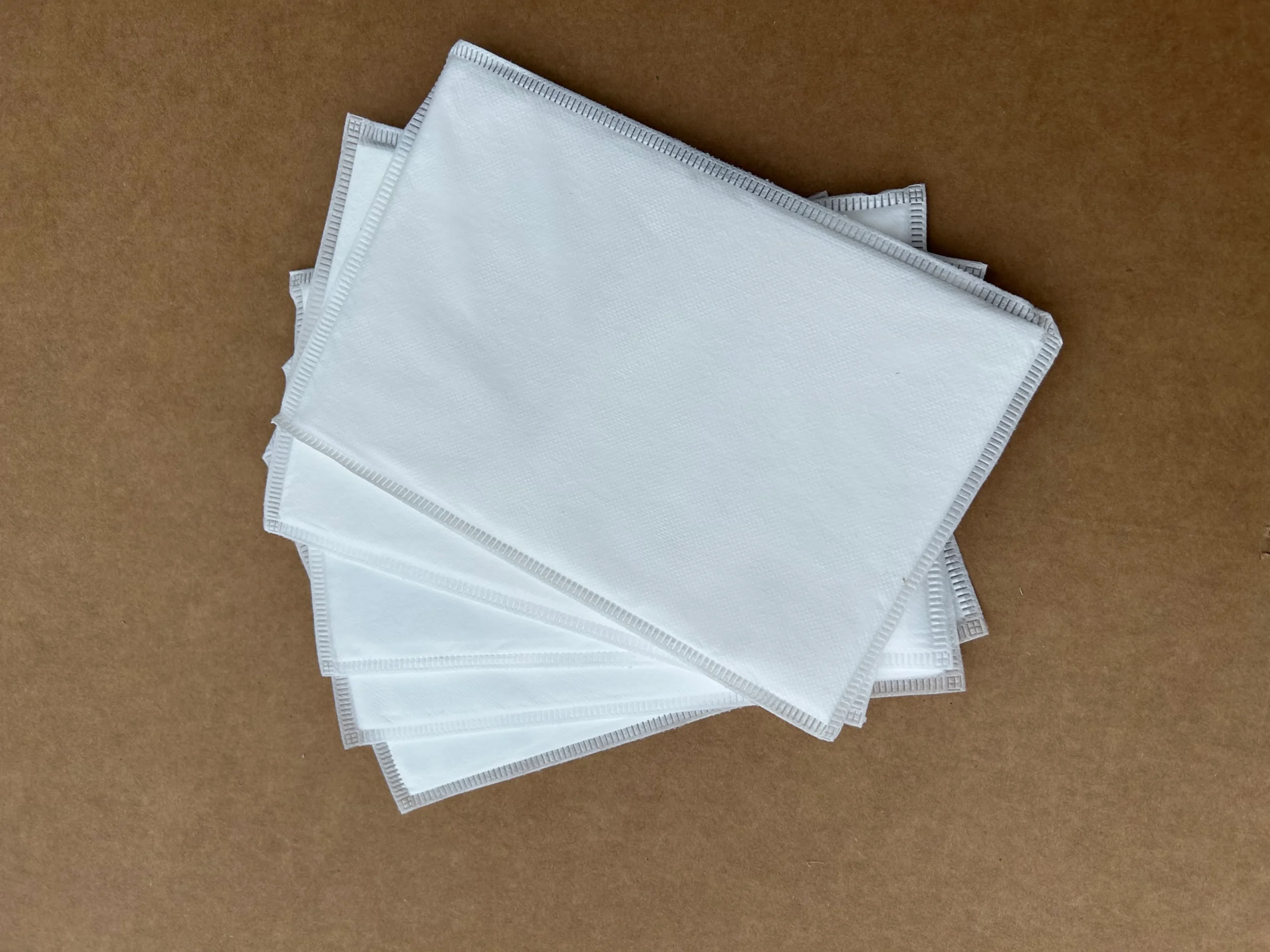
Oil spills are a common issue across many environments. From industrial facilities and workshops to garages, warehouses, and marine settings, oil leaks and spills can happen without warning. Even a small spill can create serious safety risks, damage equipment, and harm the environment if not handled properly. That is why having the right spill control solution in place is not just a precaution but a necessity.
In this detailed guide, we will explore how oil spill control works, why fast response matters, the types of absorbent solutions available, and how to choose the right products for different situations. This article is designed to help business owners, facility managers, maintenance teams, and even homeowners understand spill management in a practical and easy way.
Oil spills are not limited to large industrial accidents. They occur daily in small but impactful ways:
Leaking machinery
Dripping vehicles
Overfilled containers
Hydraulic line failures
Improper storage of oils and fuels
When oil spreads across floors or water surfaces, it becomes slippery and hazardous. Workers can slip and fall, machinery can get damaged, and cleanup costs can increase quickly if spills are ignored.
Environmental regulations are also becoming stricter. Many industries are required to maintain spill response plans and keep proper absorbent materials on-site. Failure to do so can result in fines, operational shutdowns, or reputational damage.
Oil absorbency refers to a material’s ability to attract and retain oil while repelling water. High-quality absorbent materials are usually made from polypropylene or similar fibers that are engineered to bond with hydrocarbons.
Unlike general cleaning cloths, oil-specific absorbents do not soak up water. This makes them ideal for both dry surfaces and water-based environments such as marine docks, bilges, and wastewater areas.
Oil-only absorbent solutions work through capillary action. The fibers pull oil into the material and trap it, preventing further spread and making cleanup faster and more efficient.
Oil spills can happen in almost any setting. Some of the most common locations include:
Factories, refineries, and manufacturing plants use oils for lubrication, cooling, and processing. Leaks from machines, pumps, or pipelines are frequent.
Oil changes, engine repairs, and hydraulic work often result in small spills that can accumulate over time.
Improperly sealed containers or damaged drums can leak oil onto floors and pallets.
Boat engines, fuel lines, and bilge systems often release oil into water, making marine-safe absorbents essential.
Heavy machinery uses large volumes of oil and fuel, increasing the risk of spills on soil and concrete.
There is no one-size-fits-all solution for spill control. Different formats are designed for specific tasks and environments.
Flat and flexible, these are ideal for surface spills, drip areas, and general cleanup tasks. They are easy to place, remove, and dispose of.
Used to cover large surface areas, especially in walkways or under machinery where leaks are ongoing.
Designed to contain spills and prevent oil from spreading. Often placed around machinery or drains.
Best for absorbing large volumes of oil in tight or hard-to-reach spaces.
Specifically made for water-based spills, commonly used in marine environments.
Among these options, oil absorbent pads are often considered the most versatile due to their ease of use and wide range of applications.
Slippery floors are one of the leading causes of workplace accidents. Oil spills increase the risk significantly, especially in busy industrial and commercial settings.
By placing oil absorbent pads under leaking equipment or in high-risk areas, businesses can:
Reduce slip and fall incidents
Keep workspaces clean and organized
Improve employee confidence and morale
Comply with health and safety standards
Preventive placement is just as important as emergency cleanup. Using absorbent pads proactively can stop minor leaks from turning into major hazards.
Oil contamination poses a serious threat to ecosystems. When oil enters soil or water systems, it can take years to break down naturally.
Oil-only absorbents help protect the environment by:
Preventing oil from reaching drains and waterways
Allowing safe collection and disposal of oil waste
Supporting compliance with environmental regulations
Reducing long-term cleanup costs
In marine environments, floating absorbent materials are essential to protect aquatic life and shorelines from contamination.
Selecting the right absorbent solution depends on several factors:
Small drips require different solutions than large leaks or ongoing spills.
Indoor, outdoor, or marine environments each have unique requirements.
Light oils, heavy oils, and fuels may absorb at different rates.
Frequent spills may require bulk solutions or reusable containment strategies.
For general-purpose spill response and maintenance, oil absorbent pads provide a balance of convenience, efficiency, and cost-effectiveness.
To get the most out of absorbent products, correct usage is essential.
Place absorbents directly at the source of the leak
Replace saturated materials promptly
Do not overload a single pad beyond its capacity
Store absorbents in accessible locations
Train staff on spill response procedures
Using oil absorbent pads correctly ensures faster cleanup and reduces waste.
Absorbent materials saturated with oil must be handled responsibly.
Store used absorbents in sealed containers
Follow local regulations for disposal
Never wash oil-only absorbents down drains
Label waste containers clearly
Some industries may require disposal through certified waste management services, especially for hazardous oils.
While some businesses hesitate to invest in proper spill control products, the long-term savings are significant.
Using oil absorbent pads can help:
Reduce cleanup time
Minimize equipment damage
Lower accident-related costs
Prevent regulatory fines
In many cases, the cost of absorbents is far lower than the cost of a single workplace accident or environmental penalty.
Oil absorbent solutions are used across a wide range of industries:
Manufacturing
Automotive
Marine and shipping
Construction
Energy and utilities
Warehousing and logistics
No matter the industry, spills are inevitable. Preparedness makes all the difference.
A good spill response plan includes:
Identifying high-risk areas
Keeping absorbents readily available
Assigning spill response roles
Conducting regular training
Reviewing and updating procedures
Including oil absorbent pads as part of your spill response kit ensures quick action when spills occur.
Oil spills are an unavoidable reality in many working environments, but their impact can be controlled with the right approach. Understanding how absorbent solutions work, where they should be used, and how to handle disposal properly makes spill management simpler and more effective.
By investing in quality absorbent materials and implementing clear response procedures, businesses can protect their workers, equipment, and the environment. Among all available solutions, oil absorbent pads stand out as a reliable, versatile, and essential tool for maintaining clean and safe spaces.
Preparedness today prevents costly problems tomorrow.

