
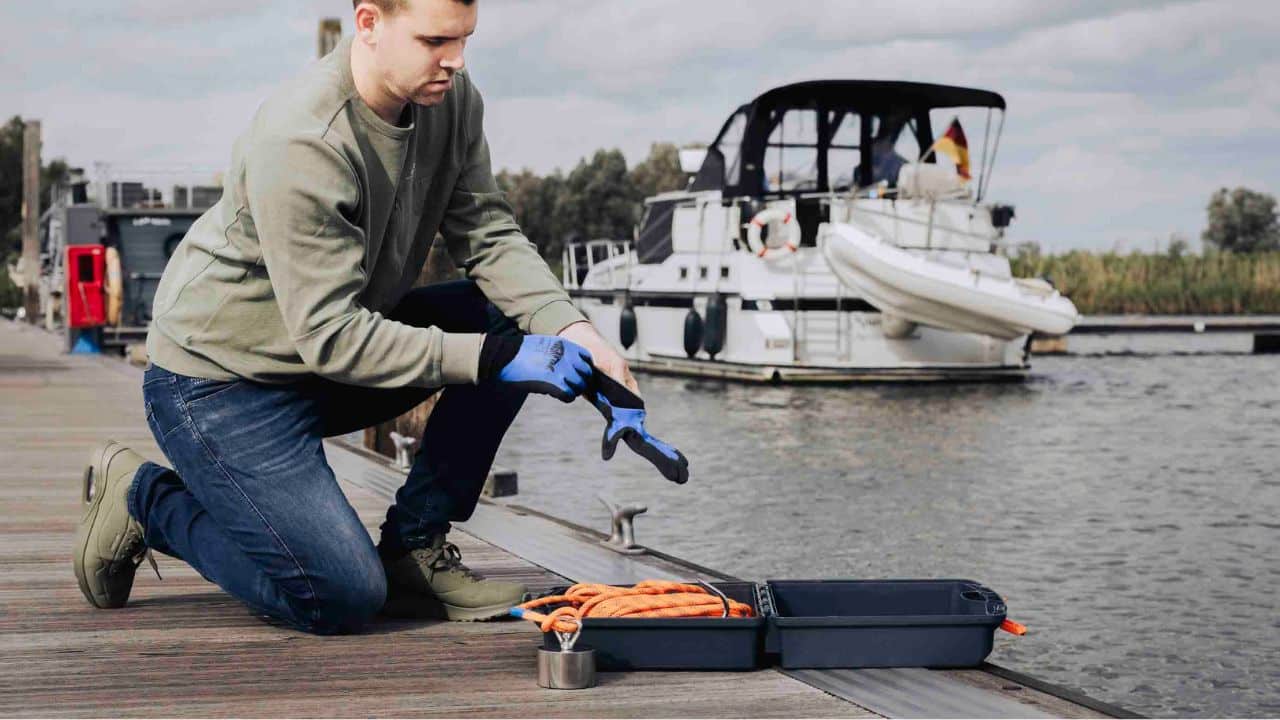
Beginner’s Guide to Magnet Fishing Gadgets: Selecting the Right Magnet
Magnet fishing gadget has quickly become a popular hobby for outdoor enthusiasts, combining adventure, treasure hunting, and environmental cleanup. Whether you’re near rivers, lakes, or canals, magnet fishing allows you to discover hidden metal objects while enjoying the outdoors. For beginners, however, the key to a successful experience lies in selecting the right magnet.
This guide will help you understand what to look for in a magnet, safety tips, and how to make the most of your magnet fishing adventure.
What Is Magnet Fishing?
Magnet fishing involves using a strong magnet attached to a rope to retrieve metal objects from bodies of water. It’s part treasure hunting, part environmental effort, as many enthusiasts remove old tools, bikes, and other metal debris from lakes and rivers. Magnet fishing is safe, fun, and suitable for beginners and seasoned hobbyists alike.
With the right equipment and knowledge, you can turn an ordinary trip to the water into an exciting adventure filled with surprises.
Types of Magnets for Magnet Fishing
Choosing the right magnet depends on what you intend to find and where you plan to fish. Most magnets fall into two categories:
1. Neodymium Magnets
Neodymium magnets are the most powerful type used in magnet fishing. They are compact, lightweight, and extremely strong, making them ideal for lifting heavy objects. Most beginners prefer neodymium magnets for their reliability and efficiency.
2. Ferrite Magnets
Ferrite magnets are less powerful than neodymium but are more affordable. They are suitable for retrieving smaller, lighter objects and are a good choice for hobbyists who want to try magnet fishing without a big investment.
Key Features to Consider
When selecting a magnet, consider these critical features:
- Pull Force: Indicates how much weight the magnet can lift. For beginners, a magnet with 200–400 lbs of pull force is ideal for most objects.
- Shape: Rectangular and disc magnets are common. Disc magnets are easy to handle and pull objects smoothly, while rectangular magnets can provide more surface area contact.
- Coating: Neodymium magnets often come with nickel or epoxy coatings to prevent rusting and corrosion, especially when used in water.
- Rope & Accessories: Ensure the magnet comes with a durable rope and accessories like gloves or carabiners for safety and ease of use.
Why Quality Matters
Investing in a high-quality magnet can enhance your experience and improve safety. Magnetar Magnets Promo Codes allow beginners to access top-tier fishing magnets at discounted prices. Discover high-quality fishing magnets at Magnetar Magnets, perfect for both beginners and experienced magnet fishers. A strong, durable magnet ensures you can pull heavier objects reliably without worrying about equipment failure.
Quality magnets also last longer and resist rusting, which is crucial when fishing in wet environments. Pairing your magnet with a sturdy rope and safety gear further enhances the experience.
Safety Tips for Beginners
Magnet fishing can be fun, but it comes with risks if precautions are ignored. Here are essential safety tips:
- Wear Gloves: Protect your hands from sharp metal objects and strong magnet pulls.
- Avoid Hazardous Areas: Stay clear of areas with high electrical cables, unstable structures, or restricted waters.
- Handle Magnets Carefully: Strong magnets can pinch fingers or damage electronic devices. Keep them away from phones, watches, and credit cards.
- Bring a Buddy: Fishing with a friend improves safety and makes the experience more enjoyable.
- Inspect Your Find: Always check objects for rust, sharp edges, or contaminants before handling.
Best Locations for Magnet Fishing
Finding the right spot is half the adventure. Popular magnet fishing locations include:
- Rivers & Canals: Ideal for beginners, these areas often have a mix of old tools, bicycles, and historical artifacts.
- Ponds & Lakes: Calm waters allow for easier casting and retrieval Microsoft Copilot Consulting Australia. Objects may include metal debris and smaller treasures.
- Urban Waterfronts: Bridges, docks, and harbors often contain lost or discarded metal objects.
- Historic Sites: Areas with old bridges or shipyards can yield exciting finds, but always check local regulations before fishing.
Gear and Accessories to Enhance Your Experience
Beyond the magnet itself, having the right accessories improves convenience and safety:
- Magnet Fishing Gloves: Protects hands from sharp metal and pinches.
- Buckets or Containers: Store and organize your finds efficiently.
- Ropes: Thick, abrasion-resistant ropes ensure safety when pulling heavy objects.
- Safety Gear: First-aid kits and protective eyewear are recommended.
Environmental Impact of Magnet Fishing
Magnet fishing can positively impact the environment. By removing metal debris from rivers and lakes, you help reduce pollution and create cleaner, safer waterways for wildlife and people. Many magnet fishers report pulling old bicycles, tools, and scrap metal that would otherwise pose hazards.
Additionally, magnet fishing encourages outdoor activity and community involvement, turning a hobby into an environmentally conscious practice.
Common Finds in Magnet Fishing
Magnet fishing can be surprisingly rewarding. Common objects include:
- Old bicycles and tools
- Coins and jewelry
- Rusted nails and construction debris
- Historical artifacts or relics
While not every find is valuable, each object tells a story and adds excitement to the hobby. Recording your finds in a journal or sharing them online creates a community among enthusiasts.
Final Thoughts
Magnet fishing is an engaging hobby that combines adventure, history, and environmental stewardship. Selecting the right magnet is crucial for a safe and enjoyable experience, especially for beginners. Consider pull force, shape, coating, and accessories when making your choice, and always prioritize safety.
High-quality magnets, such as those from Magnetar Magnets, paired with durable ropes and gloves, make every fishing trip productive and fun. By starting with the right equipment and following best practices, you can enjoy magnet fishing while discovering hidden treasures and helping the environment.
Start your magnet fishing journey today, explore new waterways, and see what you can uncover. With the proper magnet, safety gear, and knowledge, your adventures will be both safe and rewarding.
Learn more in our latest guides on greenfieldhubs
Related Post

Hotels in Kelowna | Enjoy Travel & Fun in the Okanagan Valley
Hotels in Kelowna receive their visitors warmly, comforted, and picturesquely. Immediately, the city is peaceful…