
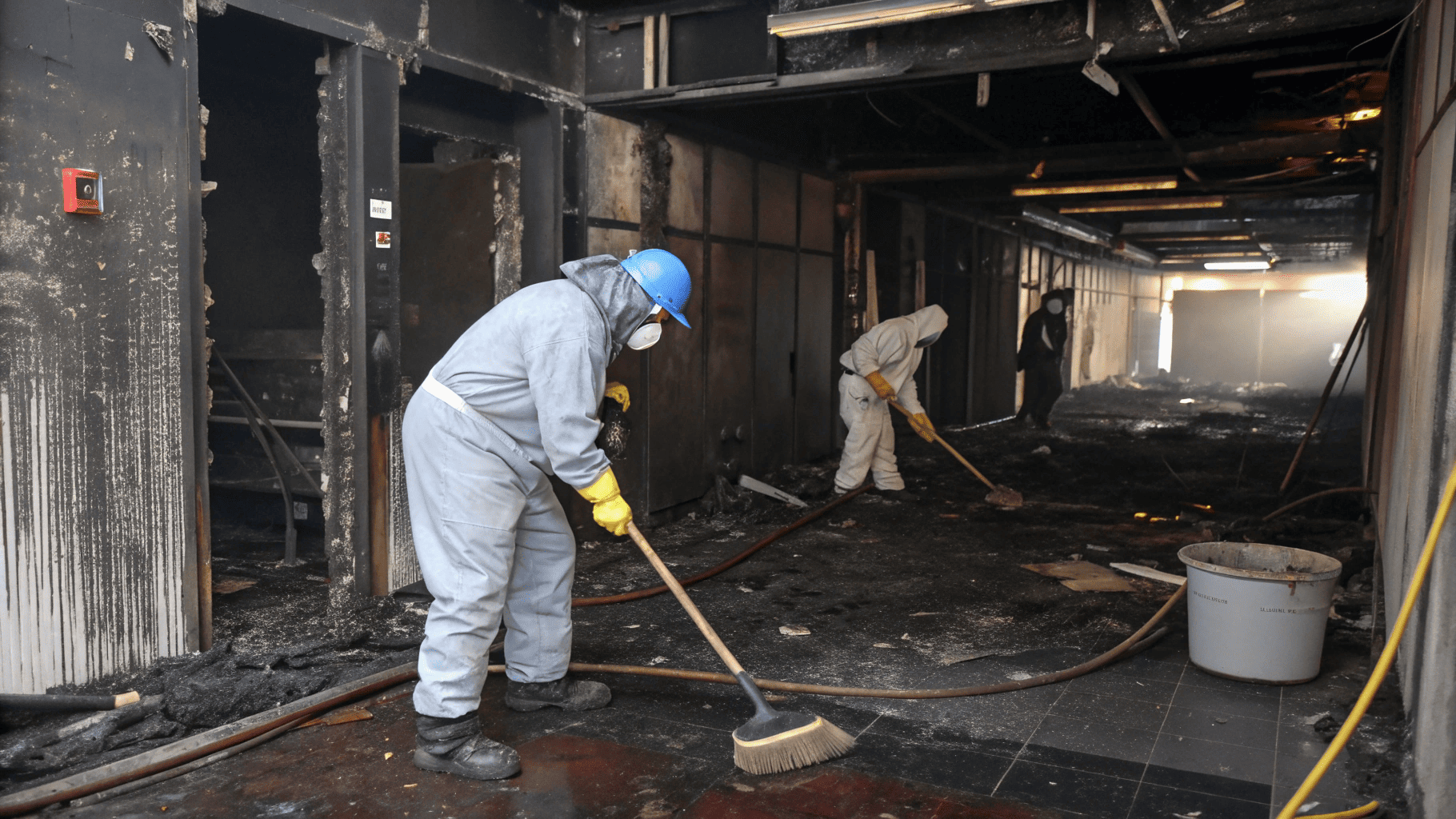
What Distinguishes a Professional Fire Damage Repair Company From Independent Fire Damage Repair Contractors After a Loss?
After a fire loss, choosing the right repair provider is critical. Professional fire damage repair companies offer comprehensive services, certified technicians, insurance expertise, advanced equipment, and dedicated project management. They provide faster emergency response, stronger safety compliance, and written warranties. Independent contractors often have limited scope, fewer resources, and minimal insurance support, which can increase delays, stress, and long-term risks for property owners.
–
Introduction
Experiencing a fire loss is one of the most overwhelming events a property owner can face. Beyond the immediate emotional impact, there are urgent decisions to make one of the most critical being who to trust for fire damage repair. Property owners are often faced with two primary options: hiring a professional fire damage repair company or working with independent fire damage repair contractors.
While both may offer restoration services, the difference between them can significantly impact the safety, cost, timeline, and long-term value of your property. This article explains what truly distinguishes a professional fire damage restoration company from independent contractors, helping you make an informed decision after a fire loss.
1. Scope of Services: Comprehensive vs. Limited
Professional Fire Damage Repair Companies
A professional fire damage restoration company typically offers end-to-end restoration services, including:
- Emergency board-up and roof tarping
- Smoke and soot removal
- Water damage mitigation from firefighting efforts
- Structural cleaning and deodorization
- Mold prevention and remediation
- Full reconstruction and rebuilding
- Contents cleaning and pack-out services
These companies operate with a holistic restoration model, meaning they manage the entire recovery process from initial emergency response to final repairs.
Independent Fire Damage Repair Contractors
Independent contractors often specialize in one specific trade, such as framing, drywall, painting, or flooring. While skilled in their area, they usually:
- Do not provide emergency services
- Cannot manage the entire restoration process
- Require the homeowner to coordinate multiple vendors
This fragmented approach can slow recovery and increase stress during an already difficult time.
2. Certifications, Training, and Industry Standards
Professional Restoration Companies
Reputable fire damage restoration companies invest heavily in training and certifications. Many are certified by organizations such as:
- IICRC (Institute of Inspection, Cleaning and Restoration Certification)
- RIA (Restoration Industry Association)
- OSHA compliance programs
Their technicians are trained in fire science, smoke behavior, hazardous material handling, and structural safety, ensuring repairs meet industry and regulatory standards.
Independent Contractors
Independent contractors may be licensed in their trade but often lack:
- Specialized fire and smoke damage training
- Certifications specific to restoration work
- Ongoing education in evolving restoration technologies
This gap can result in incomplete cleaning, lingering odors, or hidden damage that surfaces later.
3. Insurance Knowledge and Claims Management
Professional Fire Damage Repair Companies
One of the most important differentiators is insurance expertise. Professional restoration companies regularly work with insurance carriers and understand:
- Policy language and coverage limits
- Proper documentation and photo evidence
- Xactimate and industry-standard estimating software
- Required compliance for claim approval
Many act as a liaison between the homeowner and the insurer, helping reduce delays, disputes, and underpaid claims.
Independent Contractors
Most independent contractors:
- Do not manage insurance claims
- Provide estimates that may not align with insurer requirements
- Leave documentation and negotiations entirely to the homeowner
This can result in out-of-pocket expenses, claim denials, or prolonged settlement timelines.
4. Project Management and Accountability
Professional Restoration Companies
A professional fire damage restoration company assigns a dedicated project manager who:
- Coordinates all trades and schedules
- Ensures compliance with safety and building codes
- Provides regular progress updates
- Acts as a single point of contact
This centralized accountability reduces miscommunication and ensures the project stays on track.
Independent Contractors
When using independent contractors, homeowners often must:
- Hire and manage multiple trades
- Coordinate timelines themselves
- Resolve disputes between contractors
- Monitor quality and compliance
This “do-it-yourself” management burden can be overwhelming after a fire loss.
5. Equipment, Technology, and Resources
Professional Fire Damage Repair Companies
Professional companies invest in industrial-grade equipment, including:
- HEPA air scrubbers
- Thermal fogging and ozone deodorization machines
- Moisture detection and infrared imaging tools
- Specialized soot and chemical cleaning agents
These tools allow for deeper cleaning, faster drying, and more effective odor removal.
Independent Contractors
Independent contractors typically rely on:
- Standard construction tools
- Limited or rented restoration equipment
- Manual cleaning methods
While adequate for basic repairs Copilot AI Agents for Microsoft 365, they may not fully address hidden smoke, soot, or water damage.
6. Safety, Compliance, and Risk Management
Professional Restoration Companies
Fire-damaged properties can contain serious hazards, including:
- Structural instability
- Toxic soot and ash
- Asbestos or lead exposure
- Electrical and gas risks
Professional companies follow strict safety protocols, carry comprehensive insurance, and ensure compliance with local and federal regulations.
Independent Contractors
Independent contractors may:
- Lack specialized safety training
- Carry limited insurance coverage
- Be unprepared for hazardous materials
This increases the risk of injury, liability issues, and non-compliant repairs.
7. Speed, Availability, and Emergency Response
Professional Fire Damage Repair Companies
Professional restoration companies typically offer:
- 24/7 emergency response
- Rapid mobilization within hours
- Immediate damage mitigation to prevent further loss
Quick action is critical to prevent secondary damage such as corrosion, mold growth, and structural weakening.
Independent Contractors
Independent contractors often:
- Operate on standard business hours
- Have limited availability
- Cannot respond immediately after a fire
Delays can significantly increase restoration costs and property damage.
8. Warranties, Guarantees, and Long-Term Value
Professional Restoration Companies
Most professional companies stand behind their work with:
- Written warranties
- Service guarantees
- Post-restoration inspections
Their reputation depends on long-term customer satisfaction and compliance with industry standards.
Independent Contractors
Independent contractors may offer:
- Limited or no written warranties
- Informal guarantees
- Less accountability after project completion
This can leave homeowners exposed if issues arise months or years later.
Final Thought
A true distinction emerges in accountability, scale, and resilience under pressure. Established firms bring certified teams, documented processes, and insurer-aligned controls that protect outcomes long after the work ends, while fire damage repair contractors operating independently may rely on individual skill alone. Choosing between them ultimately shapes recovery speed, risk management, and peace of mind, amid compliance demands, complex remediation, and heightened safety expectations standards today within post-loss restoration environments.
Related Post

How the Perfect Hall Sets the Tone for Memorable Wedding
Choosing the Right Space Every wedding is a celebration of love and commitment, and the…