
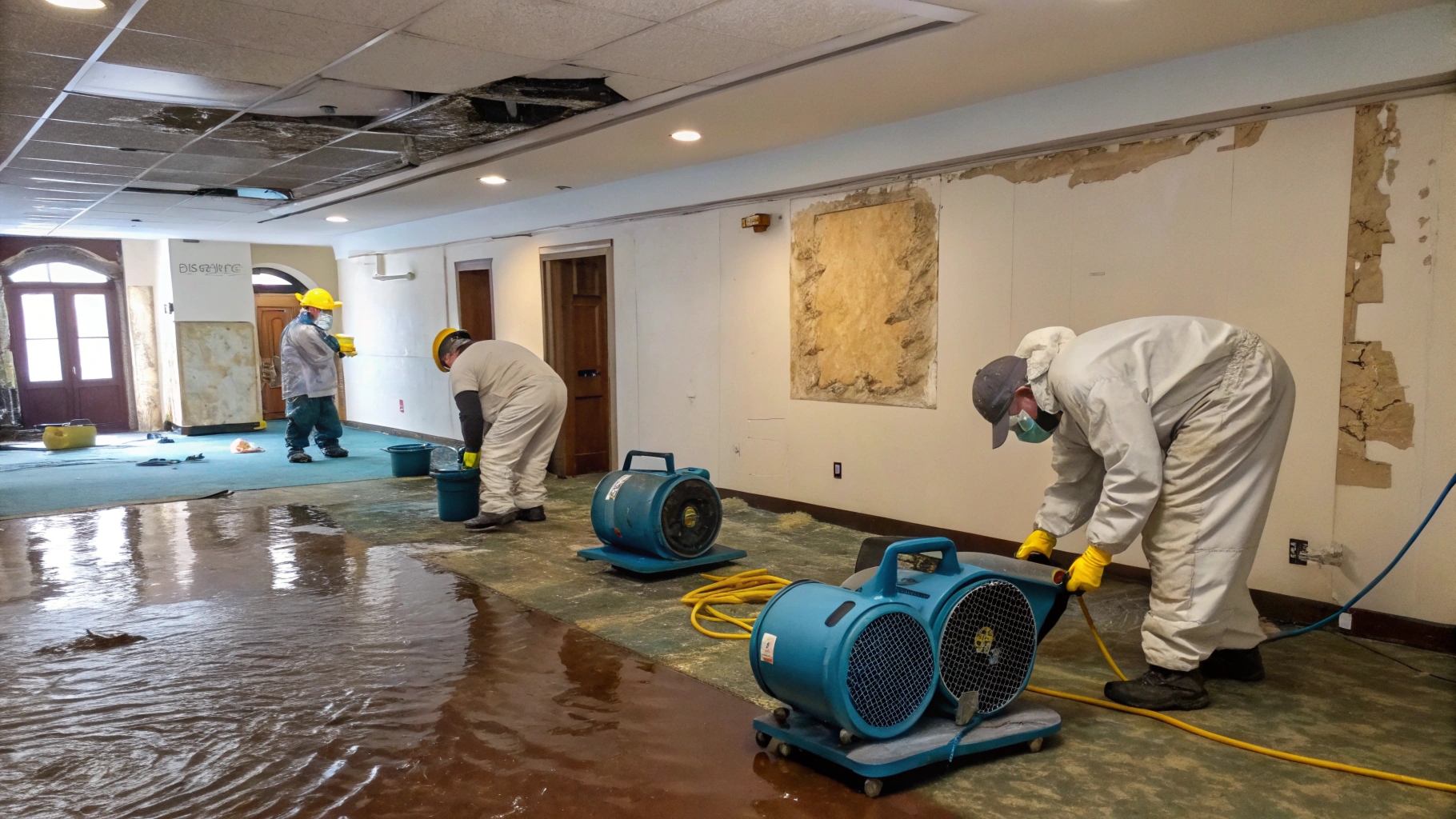
How Do Raleigh Water Damage Restoration Professionals Assess Moisture Levels Behind Walls and Under Flooring?
Water damage is not always visible on the surface. Moisture can settle behind walls and beneath flooring, creating risks that may go unnoticed without proper assessment. This blog explains how professionals evaluate hidden moisture and why this step is essential for effective restoration.
Introduction
After a leak, flood, or plumbing issue, it’s common to focus on what can be seen: wet floors, stained walls, or damp carpets. However, water often travels beyond those visible areas, settling into places that are easy to overlook. When hidden moisture is not identified early, it can quietly weaken materials and delay proper recovery. Understanding how professionals approach moisture detection helps explain why specialized assessment matters so much. This is especially true in regions where humidity and building styles add complexity, making services like water damage restoration Raleigh NC essential for accurate evaluation and recovery.
Why Hidden Moisture Assessment Matters in Water Damage Situations
Hidden moisture assessment is a critical step because water behaves unpredictably once it enters a structure.
How Water Travels Beyond Visible Surfaces
Water moves through porous materials using capillary action, spreading sideways and downward from the original source. It can seep into drywall, insulation, and subflooring even when nearby surfaces appear dry. This movement allows moisture to settle far from where the damage first occurred.
Risks of Undetected Moisture in Structures
When moisture remains trapped, it can weaken wood, soften drywall, and compromise adhesives beneath flooring. Guidance from the U.S. Environmental Protection Agency (EPA) notes that excess moisture inside building materials can contribute to ongoing deterioration if not properly addressed. Over time, these conditions may lead to material breakdown and create environments where further issues develop, increasing repair complexity and cost.
How Restoration Professionals Begin Moisture Assessment
Professional assessment starts with understanding how and where water may have traveled.
Initial Visual Inspection and Damage Mapping
The first step involves inspecting visible damage and tracing likely water paths. Professionals look for discoloration, warping, or subtle changes in materials to map areas that require closer evaluation.
Understanding Building Materials and Construction Types
Different materials absorb and retain moisture differently Microsoft Copilot AI Agents. Professionals consider wall composition, flooring layers, and construction methods to determine where moisture is most likely to be trapped and how best to measure it.
Tools Used to Measure Moisture Behind Walls and Floors
Accurate detection relies on specialized tools designed for non-visible areas.
Non-Invasive Moisture Meters
These devices scan surfaces to detect elevated moisture levels without causing damage. They are often used first to identify areas that need deeper investigation.
Thermal Imaging Technology
Thermal cameras detect temperature variations caused by moisture evaporation. Cooler areas on a wall or floor can indicate hidden moisture, helping professionals pinpoint problem zones without opening surfaces.
Invasive Probing When Necessary
When non-invasive tools indicate significant moisture, small access points may be created to confirm readings. This targeted approach minimizes disruption while providing precise data.
Assessing Moisture Under Different Flooring Types
Flooring materials respond to water differently, requiring tailored assessment methods.
Hardwood and Engineered Flooring
Wood flooring absorbs moisture quickly and can trap it beneath the surface. Professionals measure both surface and subfloor moisture to determine whether drying or removal is necessary.
Tile, Vinyl, and Carpeted Floors
While tile and vinyl may resist surface water, moisture can remain in grout lines or underlayment. Carpeted floors often hold moisture in the padding, making subfloor testing an important step.
How Collected Data Guides the Drying Process
Assessment results directly influence how drying is planned and monitored.
Setting Drying Goals and Monitoring Progress
Professionals establish baseline moisture levels and set targets for safe drying. Regular monitoring ensures that moisture is decreasing as expected, and adjustments can be made if needed.
Preventing Long-Term Structural Issues
Drying continues until moisture levels return to acceptable ranges. This careful process helps ensure that materials are ready for repair or replacement without risking future problems.
Conclusion
Accurate moisture assessment is the foundation of effective recovery after water damage. By using a combination of visual inspection, advanced tools, and material knowledge, professionals can identify moisture hidden behind walls and under flooring before it causes further complications. For property owners seeking thorough recovery, water damage restoration Raleigh services rely on these detailed assessment methods to support safe drying and long-term structural stability.
FAQs
Q1. Can moisture remain even if surfaces feel dry?
A: Yes. Moisture can stay trapped inside walls or beneath flooring, even when surfaces feel dry to the touch.
Q2. Does moisture detection damage walls or floors?
A: Most assessments use non-invasive tools, and any probing is minimal and carefully controlled.
Q3. How long does moisture monitoring usually last?
A: Monitoring continues until readings confirm that materials have dried to safe levels, which varies based on the extent of the damage and materials involved.
Related Post

Comme Des Garcons Iconic Pieces You Need
Comme des Garcons has always been known for its bold and unconventional signature styles. From…