Chocolate: A Rich Tradition of Taste and Enjoyment
Chocolate
Sweet chocolate snack has been enjoyed for centuries and continues to be one of the most loved treats around the world. It is valued not only for its sweet and rich flavor but also for the comfort and pleasure it brings. From casual snacking to elegant desserts, chocolate fits into daily life in many simple and meaningful ways.
This version presents a completely fresh take on chocolate, focusing on its origin, varieties, everyday use, and how to enjoy it at its best.
The Journey from Bean to Chocolate
Chocolate begins with cacao beans grown on tropical cacao trees. These beans are harvested from large pods and then carefully fermented. Fermentation is a key stage, as it develops the natural flavors that later define the taste of chocolate.They are then ground into a thick paste. This paste is processed further to separate cocoa solids and cocoa butter. Different combinations of these elements, along with sugar and sometimes milk, create the many forms of chocolate we enjoy today.
Common Forms of Chocolate
Chocolate is available in several well-known varieties, each offering a distinct taste and texture.
Dark chocolate is made with a higher cocoa content and limited sugar. It delivers a deep and intense flavor. Milk chocolate includes milk ingredients, making it smoother and sweeter. White chocolate is made from cocoa butter and sugar, resulting in a creamy and mild taste without cocoa solids.These variations allow chocolate to be enjoyed alone or used creatively in recipes.
What Makes Chocolate So Appealing
Chocolate appeals to the senses in a unique way. Its slow melting texture and rich flavor create a satisfying experience. Many people associate chocolate with comfort, relaxation, or reward after a long day.
Another reason for its popularity is versatility. Chocolate can be eaten as is, combined with nuts and fruits, melted into drinks, or used in baking. This adaptability keeps it relevant in kitchens and cultures worldwide.
Choosing High-Quality Chocolate
Selecting good chocolate improves both taste and texture. A few simple signs can help identify quality.
- Smooth surface with an even color
- Clean break when snapped
- Minimal and clear ingredients
- Pleasant aroma without artificial smell
Quality chocolate melts smoothly and leaves a balanced taste rather than an overly sugary or waxy feel.
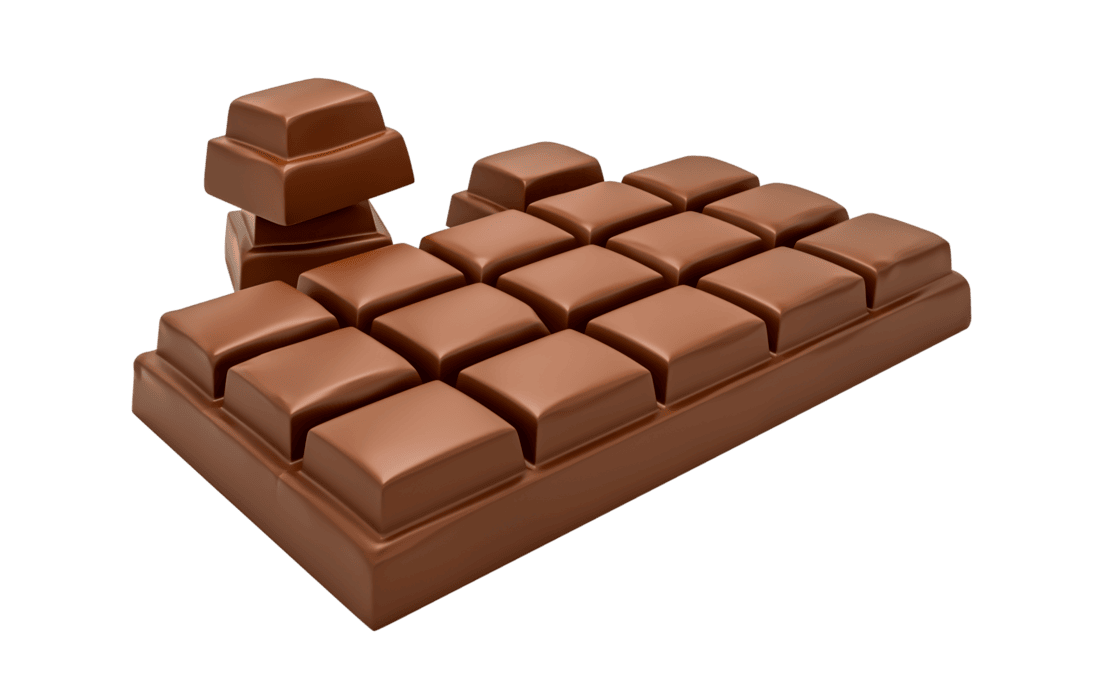
For more flavours of chocolates visit to Sweet chocolate bar
Chocolate as Part of Daily Routines
Chocolate easily becomes part of everyday habits. Some enjoy it with coffee or tea, while others prefer it as a small evening treat. It is also widely used in homemade desserts, sauces, and baked goods.
Because chocolate is easy to store and portion, it remains a practical and enjoyable option for many households.
Best Practices for Storing Chocolate
Proper storage helps preserve chocolate’s quality. It should be kept in a cool, dry place away from heat and direct light. Excess heat can cause melting, while humidity may affect the surface.Sudden temperature changes can lead to a pale coating on chocolate. This does not mean it has spoiled, but it may affect tthe exture. Stable storage conditions help maintain both taste and appearance.
Enjoying Chocolate with Balance
Chocolate is most enjoyable when eaten in moderation. A small portion often provides enough satisfaction without feeling heavy. Many people prefer richer chocolate varieties, as they deliver strong flavor in smaller amounts.
Mindful enjoyment helps maintain a healthy relationship with chocolate while preserving its role as a special treat.
Chocolate Compared to Other Sweet Foods
Unlike many sweets that rely mainly on sugar, chocolate offers complexity. Its flavor can range from bold to mild, creamy to intense. This depth often makes chocolate more satisfying than simple candies.
Because of this richness, chocolate often feels complete even in small servings.
Conclusion
Chocolate remains a timeless favorite because of its rich taste, flexibility, and comforting nature. From its careful production process to its wide range of varieties, chocolate continues to suit many lifestyles and preferences. By choosing good-quality chocolate, storing it properly, and enjoying it in moderation, you can continue to appreciate this classic treat in a simple and rewarding way.
For further more articles, visit here
Related Post

What Makes Menu Branding Ideas Successful in Restaurants?
Menu branding shapes how people see food before tasting it. Every line and color creates…