

How Driving Test Apps Build Confidence Before Your Practical Test
Confidence is a decisive factor in practical driving test performance. Many learner drivers possess the required skills but struggle to demonstrate them under assessment pressure. Nervousness, uncertainty, and inconsistent preparation often interfere with concentration and decision-making. Confidence is not built through ability alone but through familiarity, structure, and reassurance. Driving test apps provide a supportive preparation framework that addresses both technical and emotional readiness. By offering organised practice, regular feedback, and visible progress, these tools help learners feel more in control of their preparation. This blog explains how driving test apps strengthen confidence and support calm, focused performance before the practical driving test.
Why Confidence Matters in the Practical Driving Test
Confidence directly influences how learners handle driving situations during the practical test. Confident drivers respond calmly to instructions, maintain consistent vehicle control, and demonstrate clear awareness of road conditions. These qualities align closely with examiner expectations.
When confidence is low, hesitation and overthinking become common. Learners may delay decisions at junctions, forget observation checks, or lose focus after minor errors. These reactions often lead to avoidable faults rather than serious driving issues.
Confidence allows learners to drive naturally. It supports smoother decision-making and helps learners recover calmly from small mistakes. Preparation methods that strengthen confidence therefore play a critical role in overall test performance.
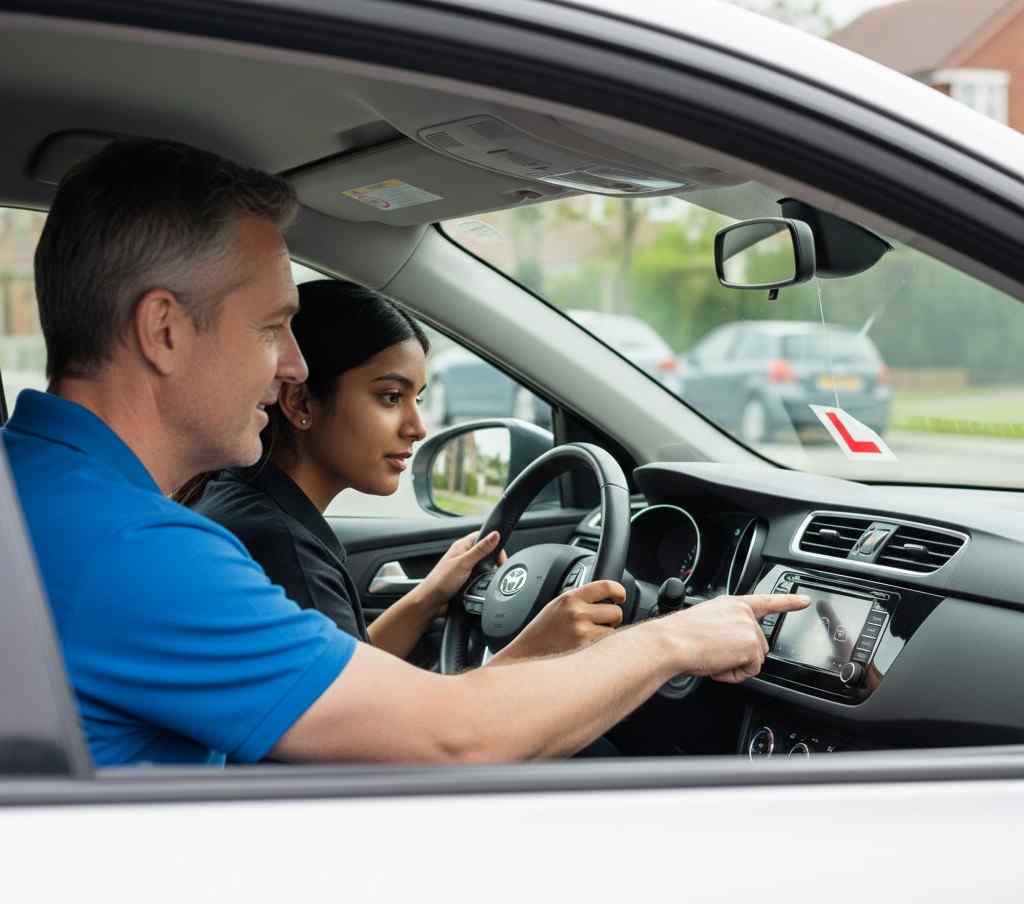
Common Confidence Barriers for Learner Drivers
Several factors contribute to reduced confidence before the practical test. Identifying these barriers allows learners to address them more effectively.
Fear of Making Mistakes
Many learners believe that one small error will fail. This belief increases pressure and limits relaxed driving behaviour.
Inconsistent Preparation
Irregular practice reduces familiarity with driving routines. Confidence weakens when learners feel unprepared or out of practice.
Unclear Test Expectations
Uncertainty about marking criteria often causes doubt. Learners may not know which aspects of driving are prioritised during assessment.
Limited Feedback
Without regular feedback, learners struggle to judge their readiness accurately. This uncertainty increases anxiety and reduces confidence.
Overcoming these barriers requires structured preparation that replaces uncertainty with clarity and reassurance.
How Structured App-Based Preparation Builds Confidence
Structure is essential for building confidence. When preparation feels organised and predictable, learners feel more in control of their progress.
An App for Driving Test supports this by presenting preparation material in manageable sections. Learners focus on one skill or topic at a time, reducing overwhelm and supporting steady improvement.
Structured preparation also promotes familiarity. Repeated exposure to test-style expectations helps learners understand what is required, reducing fear of the unknown.
Digital tools allow learners to practise independently, without pressure or judgement. This private, controlled environment supports gradual confidence building and emotional comfort.
Key App Features That Support Confidence
Driving test apps include specific features designed to support confidence through clarity and reassurance.
Key features include:
- Clearly organised driving topics and test criteria
- Timed mock tests reflecting real assessment pressure
- Instant feedback explaining correct and incorrect responses
- Visual progress tracking to show improvement over time
- Hazard perception practice with guided response timing
These features help learners understand where they stand in their preparation. Clear feedback removes doubt by explaining mistakes rather than leaving them unclear.
Progress tracking reinforces motivation by highlighting improvement. Seeing steady progress strengthens self-belief and reduces anxiety leading up to the test.
Reducing Test-Day Uncertainty Through Familiarity
Uncertainty is a major cause of nervousness during the practical driving test. When learners are unsure what to expect, anxiety increases and confidence decreases.
Driving test apps reduce this uncertainty by familiarising learners with test structure and expectations. Repeated exposure to similar formats and criteria makes the assessment feel predictable rather than intimidating.
Familiarity supports calmer reactions. Learners who know what to expect are better able to focus on safe driving behaviours instead of worrying about assessment procedures.
Reducing uncertainty allows learners to remain composed, improving control, observation, and decision-making during the test.
Encouraging Independent Preparation and Self-Belief
Independent preparation plays a key role in confidence development. Learners who rely solely on lessons may feel uncertain about their readiness outside structured environments.
Driving test apps encourage independent engagement by allowing learners to practise at their own pace. This autonomy supports self-belief, as progress is achieved through personal effort rather than external reassurance alone.
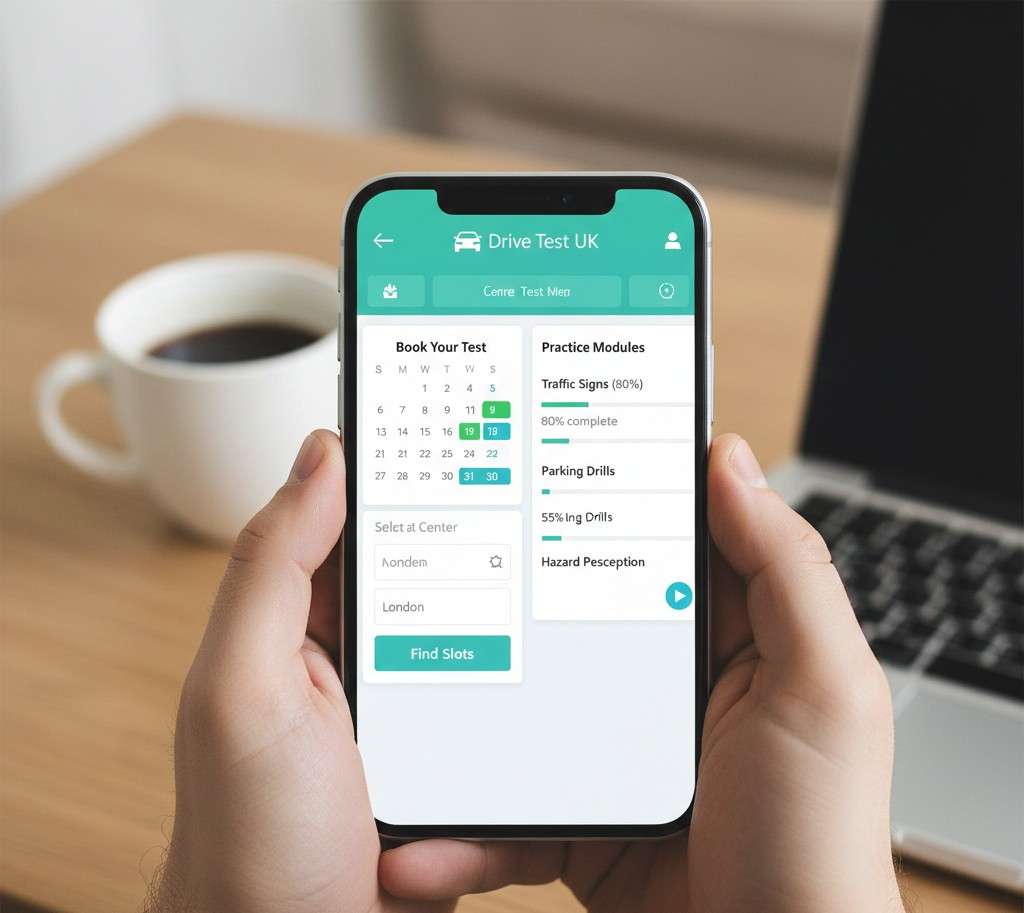
Regular independent practice builds trust in personal ability. When learners see consistent improvement, confidence grows naturally. This self-belief supports a calmer mindset and stronger performance during the practical test.
Consistency, Familiarity, and Test Readiness
Consistency is essential for maintaining confidence. Long gaps between practice sessions allow uncertainty to return, while regular engagement reinforces correct habits. Driving test apps support short, frequent preparation sessions that fit into daily routines. This consistency helps learners stay familiar with expectations and maintain confidence.
Familiarity with the test flow also reduces pressure. Learners who understand how the test progresses are less likely to feel overwhelmed. An app for driving tests supports consistent preparation by making practice accessible and structured. This reliability strengthens readiness and confidence as test day approaches.
Mental Preparation Supported by Digital Practice
Confidence is closely linked to mental readiness. Learners who feel mentally prepared are better able to manage pressure and remain focused.
Effective mental preparation includes:
- Maintaining a steady preparation routine
- Reviewing progress rather than focusing only on weaknesses
- Avoiding last-minute over-preparation
- Practising calm breathing techniques
- Focusing on safe, controlled driving instead of perfection
Digital tools support these strategies by reinforcing familiarity and structure. When learners trust their preparation, anxiety decreases and confidence increases.
Mental readiness allows learners to adapt calmly to instructions and traffic situations during the practical test.
Conclusion
Confidence before the practical driving test develops through preparation that feels structured, consistent, and reassuring. Driving test apps support this process by providing organised practice, clear feedback, and visible progress. These tools reduce uncertainty, reinforce familiarity, and encourage independent preparation, allowing learners to trust their ability. When preparation is predictable and measurable, confidence grows naturally. Learners approach test day feeling calm, focused, and ready to demonstrate their skills. Digital preparation supports both emotional control and technical readiness, helping learners perform at their best with the support of the App for Driving Test.
Related Post

Learning Quran School Focused on Tajweed and Understanding
Learning the Quran is not only about recitation but also about correct pronunciation and deep…