
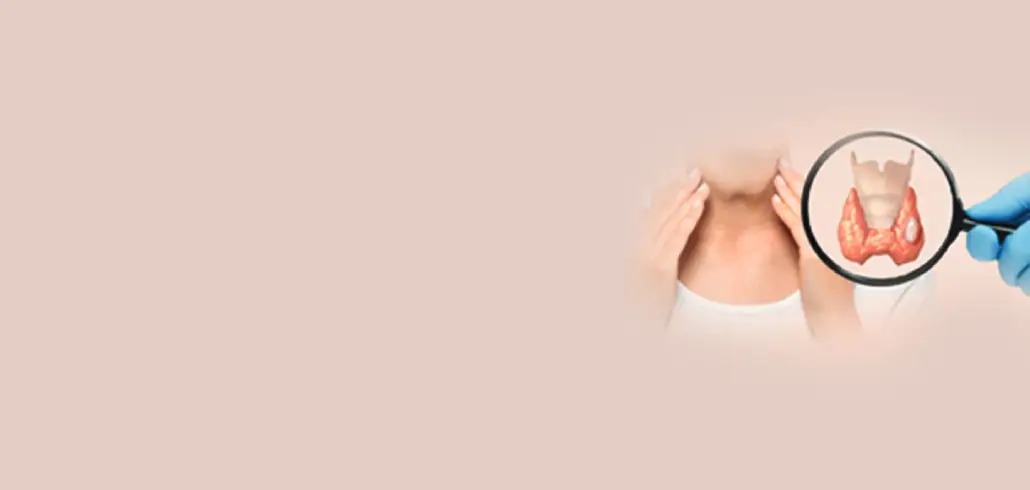
What is Radiofrequency Ablation (RFA) Treatment for Liver Tumors?
Liver tumour care has changed quietly but meaningfully over recent years. Doctors now look beyond simply removing tissue and instead focus on treating the problem while preserving as much liver function as possible. This shift matters because the liver plays a central role in everyday health and recovery. Patients today are often offered options that rely on imaging, precision, and careful planning rather than aggressive intervention.
This blog explains how one such approach fits into current liver tumour management and what patients should realistically understand before considering it.
What is radiofrequency ablation (RFA) of liver tumors?
Radiofrequency ablation is used to manage certain liver tumours through a focused, image-guided approach. Instead of removing part of the liver, doctors treat the tumour directly by placing a thin probe into the affected area using real-time imaging. The goal is to destroy abnormal cells while keeping the surrounding tissue safe.
Key points explained:
- RFA is performed using imaging such as ultrasound or CT for accurate targeting
- A specialized probe delivers controlled heat to the tumour tissue
- The treatment is localized, affecting only the intended area
- It is often considered for patients who are not ideal surgical candidates
This approach reflects a broader move toward precision-based care. Similar principles guide other image-led treatments, including the best thyroid treatment, where protecting normal tissue is equally important.
How Modern Thyroid Treatment Focuses on Precision
Modern thyroid care follows the same precision-first thinking seen in image-guided liver treatments. Doctors now aim to treat the affected area while maintaining hormone balance and protecting healthy tissue. This careful approach reduces unnecessary intervention and supports steadier recovery.
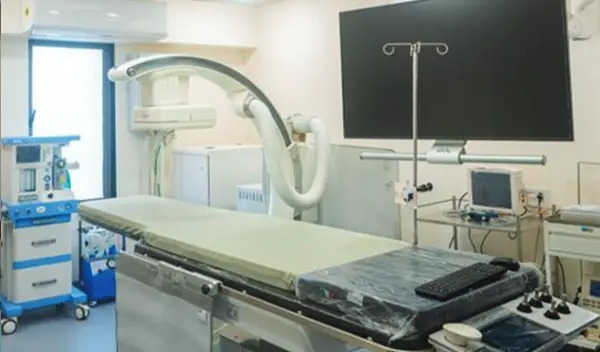
Across Ahmedabad, thyroid treatment is planned with accuracy and long-term function in mind. When patients look for the best thyroid treatment in Ahmedabad they are often guided toward options that prioritise control, safety, and everyday comfort. The focus remains on thoughtful care rather than aggressive removal.
How Radiofrequency Ablation Fits Into Modern Liver Cancer Care
RFA plays a specific role within today’s liver cancer treatment landscape. It is not meant to replace all other treatments but works best when used thoughtfully as part of a personalized plan. Doctors consider tumour behaviour, liver health, and patient comfort before recommending it.
Where RFA fits in practice:
- It offers a minimally invasive option between surgery and observation
- Imaging guidance allows precise treatment planning and execution
- Tumour size and location influence suitability more than tumour count
Because of its targeted nature, RFA aligns well with modern oncology goals. Centers that provide radiofrequency ablation treatment in Ahmedabad often follow the same decision-making framework, where accuracy and patient recovery are prioritised over aggressive removal.
What are the risks of RFA of liver tumors?
Although RFA is considered safe for many patients, understanding possible risks helps set realistic expectations. Most side effects are temporary and monitored closely by the care team.
Possible risks include:
- Mild pain or discomfort at the treatment site
- Small risk of bleeding or infection
- Temporary increase in liver enzyme levels
- Rare heat-related effects on nearby structures
Careful imaging and planning significantly reduce these risks. Hospitals that manage a wide range of interventional procedures, including thyroid treatment, apply similar safety standards across treatments.
How do I get ready for the RFA of liver tumors?
Preparation for liver RFA focuses on safety and smoother recovery. Before the procedure, doctors review blood tests, imaging scans, and overall liver function to confirm that the tumour is suitable for treatment. A few steps to get ready for the RFA:
Preparation steps usually involve:
- Blood tests to assess liver function and clotting ability
- Review of imaging to confirm tumour position
- Temporary adjustment of certain medications
- Fasting for a few hours before the procedure
Patients are also advised to plan rest and support at home. Clear preparation reduces anxiety and helps the treatment day feel more manageable, especially in centers offering radiofrequency ablation treatment in Ahmedabad.
What Happens During and After Liver RFA
During the procedure, doctors continuously monitor the tumour using imaging to ensure accurate probe placement and controlled treatment. Most patients tolerate the process well and experience only mild pain. Real-time monitoring also allows quick adjustments, which helps protect the surrounding healthy liver tissue.
| Phase | What patients usually experience |
| Day of procedure | Image-guided probe placement with local anaesthesia or light sedation |
| Immediately after | Short observation period and pain control if needed |
| Recovery phase | Gradual return to daily activities over days to weeks |
Afterwards, pain is usually controlled with simple medications. Hospital stays are short, and recovery progresses gradually, allowing patients to return to normal routines without prolonged downtime.
How RFA Helps Preserve Liver Function Over the Long Term
Radiofrequency ablation helps preserve liver function by targeting only the tumour instead of removing large sections of the liver. This focused treatment allows healthy liver tissue to continue working normally without added strain. By maintaining overall liver capacity, patients are better able to tolerate future treatments or long-term monitoring if required.
Long-term benefits explained:
- Localized treatment reduces strain on the liver
- Healthy tissue remains intact and active
- Repeat treatments remain possible if needed
This organ-preserving approach supports long-term quality of life. This is why doctors often consider RFA for patients who may need future interventions or ongoing monitoring.
FAQ
1. What is a radiofrequency ablation for a liver tumor?
Radiofrequency ablation treatment in Ahmedabad is a minimally invasive procedure that uses controlled heat to destroy tumour tissue inside the liver. It is performed under imaging guidance to ensure accuracy while protecting surrounding healthy liver tissue.
2. What is the success rate of liver tumor ablation?
The success rate depends largely on the tumour’s size, location, and liver condition. Smaller tumours that are well-positioned generally show good local control after ablation.
3. How long does it take to recover from liver tumor ablation?
Most patients recover quickly and resume light daily activities within a few days. Complete internal healing continues over the following weeks with regular follow-up imaging.
4. Can liver tumors be treated again if they return after RFA?
In some cases, repeat ablation is possible if new or residual tumours appear. The decision depends on liver function, tumour location, and overall treatment planning discussed during follow-up.
Conclusion
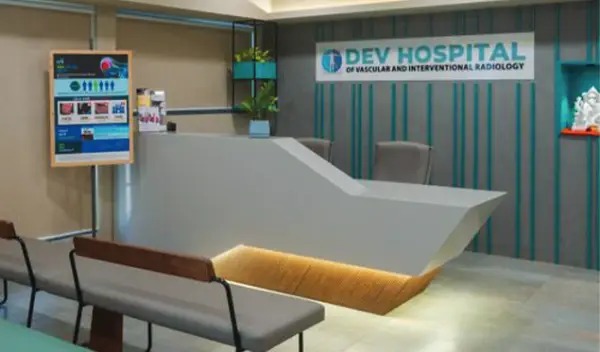
Radiofrequency ablation has reshaped liver tumour care by offering control without unnecessary loss of healthy tissue. Its value lies in precision, thoughtful planning, and respect for liver function over the long term. When patients understand preparation, risks, and recovery clearly, decisions feel more confident and less rushed. Within comprehensive care environments like Dev Hospital, such treatments are integrated into personalized plans that balance medical effectiveness with everyday well-being and realistic recovery goals.
Related Post

High Cholesterolemia Dubai: Medical Treatment and Management
High cholesterolemia, commonly known as high cholesterol, is a metabolic condition characterized by elevated levels…