Custom Butter Paper Purchase Options: Weight and Thickness
The weight and the thickness of custom butter paper a key elements when buying because of its critical importance in the packaging, presentation, and food preparation. Be it a bakery, cafe, or food brand, specificity concerning the type of paper will be functional and attractive in appearance. Depending on the desired use, wrapping, baking, or branding is the right choice.
Such changes in the GSM (grams per square meter) define the durability, removal of grease, and the general appearance. Through these factors, businesses can minimise the costs and increase the quality of packaging. It is through this article that one can substantially note the considerations that should be addressed in the weight and thickness selection of butter paper.
Understanding Paper GSM
The thickness and sturdiness of butter paper are determined by the GSM (grams per square meter) of the paper. The lightweight, cost-effective papers with lower GSM material can be used in daily life, whereas other strong, durable, and heavy-duty packaging materials with a higher GSM can be used. Over and underspending needs GSM-product matching, thus ensuring that businesses do not avoid using and wasting money. As an example, thinner paper may be utilised when wrapping delicate desserts, whereas thicker grades of paper are necessary when wrapping greasy or oily food. Knowledge of GSM helps businesses not only to save money by not spending on the acknowledgement of unnecessary expenses and waste, but also to minimize waste when using custom butter paper.
Light vs. Heavy Grades
Grades of butter paper: whether we use light or heavy paper has an effect on usability and cost. Ultra-thin butter paper with logo are also intended to be used in wrapping small bakery products or sandwiches, where there is no necessity for much resistance to grease. Vegetable items that require sturdiness and protection against leaks are, on the other hand, referring to heavier grades. Heavy options give packaging a premium feel, and also increase brand value. All the grades are meant to do something different; thus, matching the thickness with the product character is fundamental. Having the best balance between the cost and performance guarantees functionality and a high customer experience.
Role in Food Wrapping
Butter paper choices in terms of thickness have a considerable effect on the performance of such a product as a food wrap. A typical butter paper sheet is just versatile enough to be used in everyday operations as an inexpensive and easy-to-use technique. Densified variants are, however, more durable to the more moist or oily foods. Companies in the food industry must critically correlate between thickness and the menu items in order to remain efficient and satisfy the customer. Excessively thin paper and, in turn, tears or leaks resulting in a mess and wastage. On the other hand, too thick paper can introduce an unjustifiable expense with no actual good result. Wrapping can be depended upon if the proper thickness is used.
Baking-Specific Options
Butter paper requires care in its thickness and weight; otherwise, it will not behave in the presence of high temperatures. Thin paper can burn or stick, but thick paper offers a safer and more assured non-stick surface. Most bakeries use medium-thick grades to avoid food sticking to the trays, to enhance the presentation, and to cut down the time spent on cleaning up. The right thickness also avoids the breakdown of paper in the process of long baking. Alignment with baking requirements based on the paper specifications enhances efficiency and sustains food integrity. Finally, investing in appropriate paper will decrease risks and increase the overall functionality of the bakery.
Branding with Printing
Thickness is even more vital when businesses invest in printed butter paper. Heavier grades are the one that gives the design a better surface to attach the in, sharp and professional. Lighter alternatives can be bunched up effortlessly, affecting printed design and branding power. Maintenance of aesthetics and cost effectiveness is maintained by a harmony of print quality and the usability of the paper. Be it the display of logos or patterns, ns or slogans, the weight adopted has to blend with the process of print work. In the assurance of the perfect paper thickness, companies set their branding objectives and generate packaging that conveys professionalism and boosts customer perception.
Convenience of Rolls
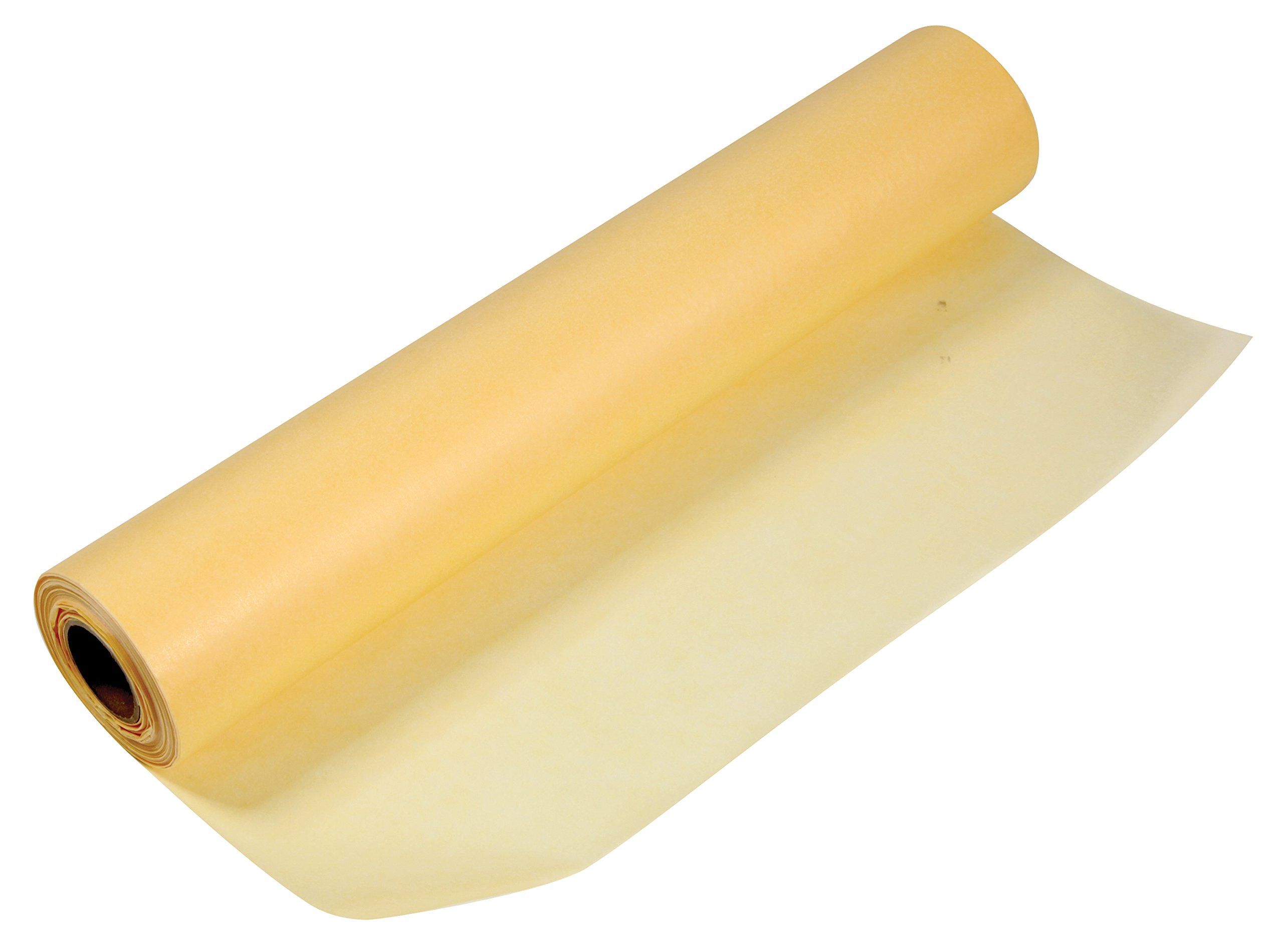
A lot of companies prefer using a butter paper roll as it is more economical in its constant use. Rolls are cuttable to lengths required that suit high-volume food preparations or wrapping stations. Thickness is a deciding factor in this aspect, with thin rolls being susceptible to regular usage and causing wastage. Heavier rolls, more expensive to purchase initially, can frequently be more durable and economical inthe long run. Workflow needs should be assessed by businesses, and then the roll thickness chosen. In a hall, mighty quick kitchen, or factory, durable rolls enhance speed, reduce money and time, and deliver a smooth packaging experience.
Customization and Logos
Thickness also influences the use of packaging features, such as your business packaging butter paper with logo designs and features, among others. Paper with heavier grades keeps logos intact, legible, and readable when handled and when in transit. Fine paper can easily wrinkle or absorb the ink unevenly, compromising the branding campaign. When paper is being customized, businesses must take into consideration the printing process and paper density. A logo that is clear and visible increases customer recognition, and there is also a long-term impact on the consumer. Selecting the correct paper grade is achieved through good maintenance of branding throughout the packaging touchpoints.
Expertise Of Manufacturers
The choice of the proper Custom printed papers manufacturer would guarantee that the limits are achieved in the weight and thickness. Seasoned manufacturers are able to suggest grades according to the type of product needed, usage, and branding. They also offer a uniform quality that does not allow complications such as unequal thickness and poor quality. Collaboration with an acceptable supplier provides the business with the option of experimenting with customization in the butter paper sheet form or roll types. The professionalism in production makes sure that the businesses maintain the costs and performance of the businesses without concession. Consumer-market producers enable the consistency of decisions with the long-term corporate objectives.
Conclusion
The pricing and performance of custom butter paper strongly rely on weight and thickness, and thus, these decisions are crucial to the success of the packaging and branding. Lightweight papers can be used in all-time wrappings, but heavier versions have more strength, resist oil or moisture, and high-end appearance. Niches types like butter paper (baking), or custom printed butter paper also require closely selected grades to make sure that functionality and appearance are balanced.
Spread and cover sheets add flexibility, and uniform quality is guaranteed through the expertise of the manufacturers. Through these considerations, businesses will be assured to make a good investment in paper grade. Lastly, customer satisfaction, reliable packaging, and branding are guaranteed by the custom butter paper.
Related Post

How Does a Virtual Staffing Agency Reduce Hiring Costs
Hiring the right talent has always been expensive. Salaries, office space, equipment, benefits, and long…