Safer Jal Fruit

Safer Jal Fruit Quince Murabba Recipe, Benefits & Tradition in Pakistan

Quince Murabba is one of the most loved traditional preserves in South Asian kitchens, especially during winter. In Pakistan, it is valued not only for its rich taste but also for its cultural and seasonal importance. Made from quince, locally known as Bahi, this murabba has been prepared for generations using slow-cooking methods that preserve flavor, aroma, and texture. In this blog post, you will learn about its origins, benefits, preparation method, and why it still holds a special place in Pakistani households.

What Is Quince Murabba?

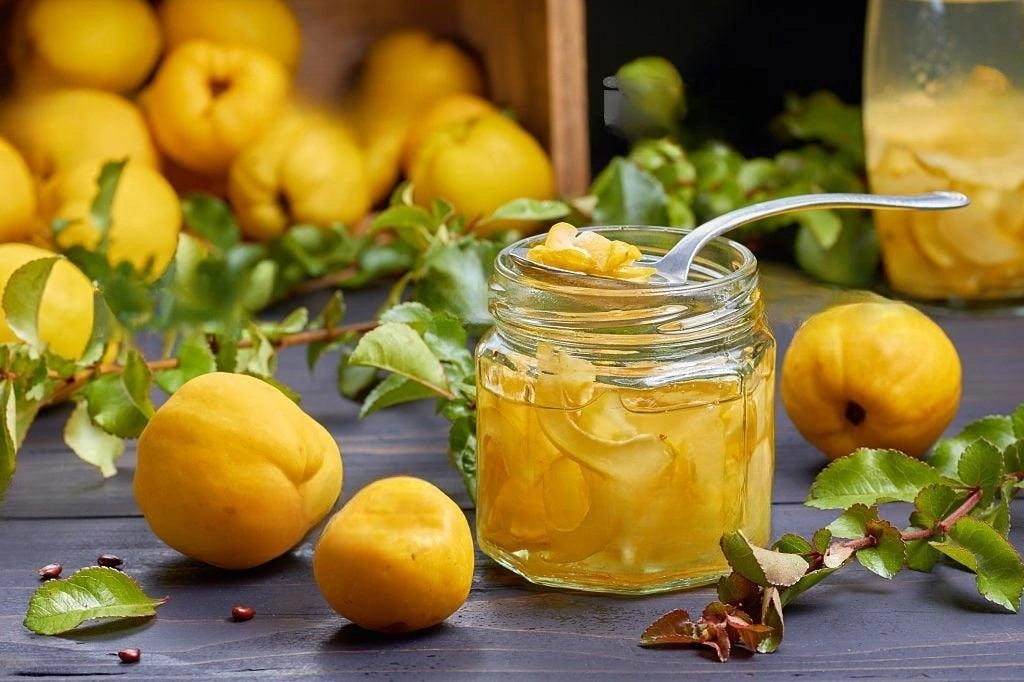
Quince Murabba is a sweet preserve prepared by cooking quince pieces in sugar syrup until they become soft, glossy, and infused with sweetness. The fruit itself is hard and slightly sour when raw, but transforms beautifully after cooking. In Pakistan, murabba is often served with breakfast, paired with paratha, roti, or even taken as a spoonful on its own.

The fruit used in this recipe is commonly referred to as safer jal fruit, a name widely recognized in local markets across Punjab, Khyber Pakhtunkhwa, and parts of Balochistan. Its unique fragrance and firm flesh make it ideal for long cooking without losing shape.

Cultural Importance in Pakistan

Murabba has deep roots in Unani and traditional food practices. Elders often recommend it during cold months, believing it supports overall wellness and strength. In many Pakistani homes, preparing murabba is a family activity, especially when quince is in season from late autumn to early winter.

In rural areas, homemade murabba is still preferred over store-bought versions. Each family has its own slight variation, passed down through generations, making quince murabba more than just a sweet dish—it is part of culinary heritage.

Nutritional Value of Quince

Quince is naturally rich in fiber and contains vitamins and minerals that contribute to a balanced diet. When turned into murabba, it becomes an energy-rich food due to the sugar content, which is why it is often eaten in small portions.

Key Nutritional Highlights

  • Contains dietary fiber that supports digestion

  • Naturally aromatic compounds that enhance appetite

  • Provides quick energy during winter

  • Traditionally used in moderation as part of a balanced meal

While murabba should not be overconsumed due to sugar, a small daily portion is common in Pakistani households.

Health Perception of Safer Jal Fruit

In traditional food culture, safer jal fruit is believed to have warming properties. This is one of the reasons it is commonly prepared in winter. Many people enjoy quince murabba with milk or warm bread in the morning.

Traditional Beliefs

  • Considered beneficial for seasonal weakness

  • Thought to support digestion when eaten in moderation

  • Often paired with other winter foods like honey and dry fruits

These beliefs are rooted in cultural practice rather than modern medical advice, but they remain popular across Pakistan.

Ingredients Used in Quince Murabba

The beauty of this murabba lies in its simplicity. Only a few ingredients are required, yet the result is rich and flavorful.

Basic Ingredients

  • Fresh quince (Bahi)

  • White sugar

  • Water

  • Lemon juice or citric acid

  • Optional: cardamom or cloves for aroma

The quality of quince plays a major role, so firm, blemish-free fruit is always preferred.

Step-by-Step Preparation Method

Making quince murabba requires patience, but the process is straightforward.

Preparation Steps

  1. Wash the quince thoroughly and peel if desired. Some people keep the peel for extra aroma.

  2. Cut into equal-sized pieces and remove seeds.

  3. Soak the pieces in water with a little lemon juice to prevent discoloration.

Cooking Process

  1. Prepare a sugar syrup by dissolving sugar in water and boiling it gently.

  2. Add quince pieces and cook on low flame.

  3. Allow the fruit to absorb the syrup slowly until it becomes translucent.

  4. Add a pinch of cardamom if desired.

  5. Cook until the syrup reaches a thick, one-thread consistency.

Once cooled, store the murabba in a clean glass jar.

Storage and Shelf Life

Properly prepared quince murabba can last several months if stored correctly.

Storage Tips

  • Use airtight glass jars

  • Keep away from moisture

  • Store in a cool, dry place

In Pakistani homes, murabba jars are often kept in kitchen cabinets and used throughout the season.

How to Serve Quince Murabba

There are many ways to enjoy this traditional preserve.

Popular Serving Ideas

  • With paratha or chapati at breakfast

  • As a sweet side with desi ghee

  • One spoon with warm milk

  • As a topping for plain yogurt

Its sweet-tangy taste pairs well with simple foods.

Homemade vs Store-Bought Murabba

While markets across Pakistan sell packaged murabba, homemade versions are often preferred.

Why Homemade Is Popular

  • No artificial preservatives

  • Adjusted sweetness according to taste

  • Fresher flavor and aroma

However, good-quality store-bought options can be convenient for busy households.

Final Thoughts

Quince Murabba remains a timeless classic in Pakistani cuisine. From its fragrant aroma to its rich taste, it represents comfort, tradition, and seasonal living. Using safer jal fruit, families continue to prepare this sweet preserve just as their elders did, keeping cultural food practices alive.

Whether enjoyed at breakfast or as a small treat during the day, quince murabba is more than just a sweet dish—it is a reflection of Pakistan’s rich culinary heritage.

Leave a Reply

Your email address will not be published. Required fields are marked *

Related Post