
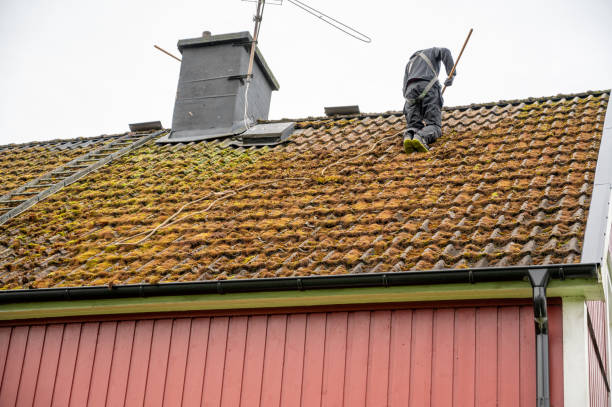
A roof is one of the most important parts of any building. It protects your home from rain, heat, cold, and other weather conditions. Many homeowners focus on walls, paint, and flooring, but often forget to check the roof regularly. One common issue that appears slowly and is often ignored is green growth on the roof surface.
This guide will help you understand why this problem happens, why it should not be ignored, and how you can safely remove and prevent it in the future.
Roof moss is a small plant that grows in damp, shady, and cool areas. It spreads through spores carried by wind and birds. Once it lands on a roof, it can grow easily if the conditions are right.
Moss usually appears as green patches, thick carpets, or fuzzy layers. It often grows between shingles, tiles, or along roof edges where moisture stays longer.
Moss on roof does not grow on every roof. Certain conditions make a roof more likely to develop this issue.
Roofs under trees or near tall buildings receive less sunlight. Without sunlight, moisture stays longer, creating a perfect environment for moss.
Rain, humidity, and dew keep the roof surface wet. Moss loves moisture and grows quickly when water does not dry fast.
Some materials, like asphalt shingles, clay tiles, and wooden shakes, are more likely to support moss growth.
Leaves, dust, and dirt trap moisture and provide nutrients for moss.
At first, moss may look harmless or even natural. However, over time, it can cause serious damage if ignored.
When moss on roof starts spreading, it holds water against the roof surface. This constant moisture can slowly damage roofing materials.
Moss lifts shingles as it grows underneath them. This breaks the protective layer and allows water to seep in.
Lifted or cracked shingles increase the risk of leaks inside the house.
Constant moisture weakens roofing materials, reducing their lifespan.
Over time, trapped moisture can lead to wood rot in the roof structure.
Small moss problems can turn into expensive roof repairs if not treated early.
Early detection can save money and prevent damage.
Look for:
Regular roof inspections, especially after rainy seasons, are very helpful.
Removing moss should be done carefully to avoid roof damage.
Using a soft brush or broom, gently remove loose moss. Always brush downward to avoid lifting shingles.
Low-pressure water can help wash away moss. Never use high pressure, as it can damage shingles.
Mild cleaning solutions designed for roofs can kill moss and prevent regrowth.
When dealing with moss on roof, safety is very important. Roofs can be slippery, so protective gear and proper tools are necessary.
Pressure washers may seem effective, but they can cause serious damage.
High pressure can:
It is best to avoid pressure washing unless done by professionals with experience.
Hiring professionals can be a smart choice, especially for large or steep roofs.
Benefits include:
Professionals know how to handle moss on roof without causing harm.
Prevention is easier and cheaper than repeated cleaning.
Allow more sunlight to reach the roof and help it dry faster.
Blocked gutters cause water buildup, increasing moisture on the roof.
Clear leaves and dirt to reduce moisture retention.
Rainwater flowing over these strips creates a surface that moss cannot grow on.
Roof inspections should be done:
Regular checks help catch moss growth early.
Yes, it can. A roof covered in moss makes a house look poorly maintained. Buyers may assume there are hidden problems and offer a lower price.
Fixing moss on roof before selling a home can improve appearance and increase buyer confidence.
This is false. Moss traps moisture and causes damage over time.
Rain actually helps moss grow faster.
Moss affects both appearance and structure.
Small moss patches can sometimes be handled by homeowners. However, large or thick growth usually needs professional care.
If the roof is steep, high, or badly affected, DIY cleaning can be dangerous and less effective.
Moss growth on a roof is a common problem, especially in damp and shaded areas. While it may look harmless at first, it can slowly cause serious damage if ignored. Regular inspections, proper cleaning, and preventive steps can protect your roof and save money in the long run.
If moss on roof is addressed early, your roof will stay strong, dry, and long-lasting. Taking care of your roof today means fewer problems tomorrow.