Aluminum composite wall panels are widely used in modern construction due to their combination of durability, lightweight properties, and design flexibility. They consist of two aluminum sheets bonded to a core material, often polyethylene or fire-retardant mineral, providing stability and aesthetic appeal for both interior and exterior applications. This makes aluminum composite panels a practical and versatile choice for architects and builders seeking reliable cladding solutions.
These panels support a variety of architectural styles by allowing complex shapes and multiple finishes, making them suitable for diverse projects from commercial buildings to residential developments. Their dimensional stability and resistance to weather make them a preferred option for long-term performance without compromising visual appeal.
Aluminum Composite Wall Panel Fundamentals
Aluminum composite wall panel consists of carefully engineered materials designed for strength, durability, and aesthetic flexibility. They come in various types tailored to specific structural and design requirements. Key performance traits include weather resistance, fire safety, and ease of installation. Their applications range widely from commercial to residential projects.
Material Composition
An aluminum composite wall panel typically features two thin aluminum sheets bonded to a core. The core is generally made from polyethylene (PE), fire-retardant mineral materials, or sometimes a thermoplastic resin. The aluminum layers provide rigidity and protect against external elements.
The core material influences weight, fire resistance, and sound insulation properties. For example, fire-retardant cores improve safety in building façades by meeting strict fire codes. Surface finishes such as PVDF or polyester paint enhance corrosion resistance, color retention, and ease of cleaning.
This composition creates a lightweight yet strong panel ideal for cladding and decorative wall solutions that require both durability and visual appeal.
Types of Aluminum Composite Wall Panels
There are primarily two types: standard panels with a polyethylene core and fire-retardant panels with mineral-filled cores. Standard panels offer basic insulation and are suited for interior applications or low-rise buildings. Fire-retardant panels comply with more stringent safety standards, making them suitable for high-rise construction and public buildings.
Additionally, panels can be differentiated by thickness, which typically ranges from 3mm to 6mm. Thicker panels offer better sound insulation and mechanical strength. Specialized panels may include features like anti-bacterial coatings or enhanced UV resistance.
Choice depends on factors such as building height, budget, and fire safety regulations.
Key Performance Characteristics
Aluminum composite wall panels deliver a balance of strength, lightness, and flexibility. Their high strength-to-weight ratio reduces structural overhead without compromising durability. Panels resist weathering, corrosion, and fading due to protective surface coatings.
They also exhibit fire resistance, especially when equipped with mineral core variants. These meet compliance standards like ASTM E119 or EN 13501-1 for fire safety in many regions. Sound insulation and thermal efficiency vary based on core type and panel thickness, aiding energy savings.
Installation is typically fast and clean due to pre-fabricated sizes and compatibility with various fixing systems.
Typical Applications
These panels are widely used in building façades, interior wall cladding, signage, and partitioning. Commercial buildings benefit from their sleek appearance and low maintenance. High-rise towers often specify fire-retardant panels for safety compliance.
They are also common in shopping centers, airports, hospitals, and residential complexes due to their design versatility and durability. Interior applications include office partitions and decorative ceilings.
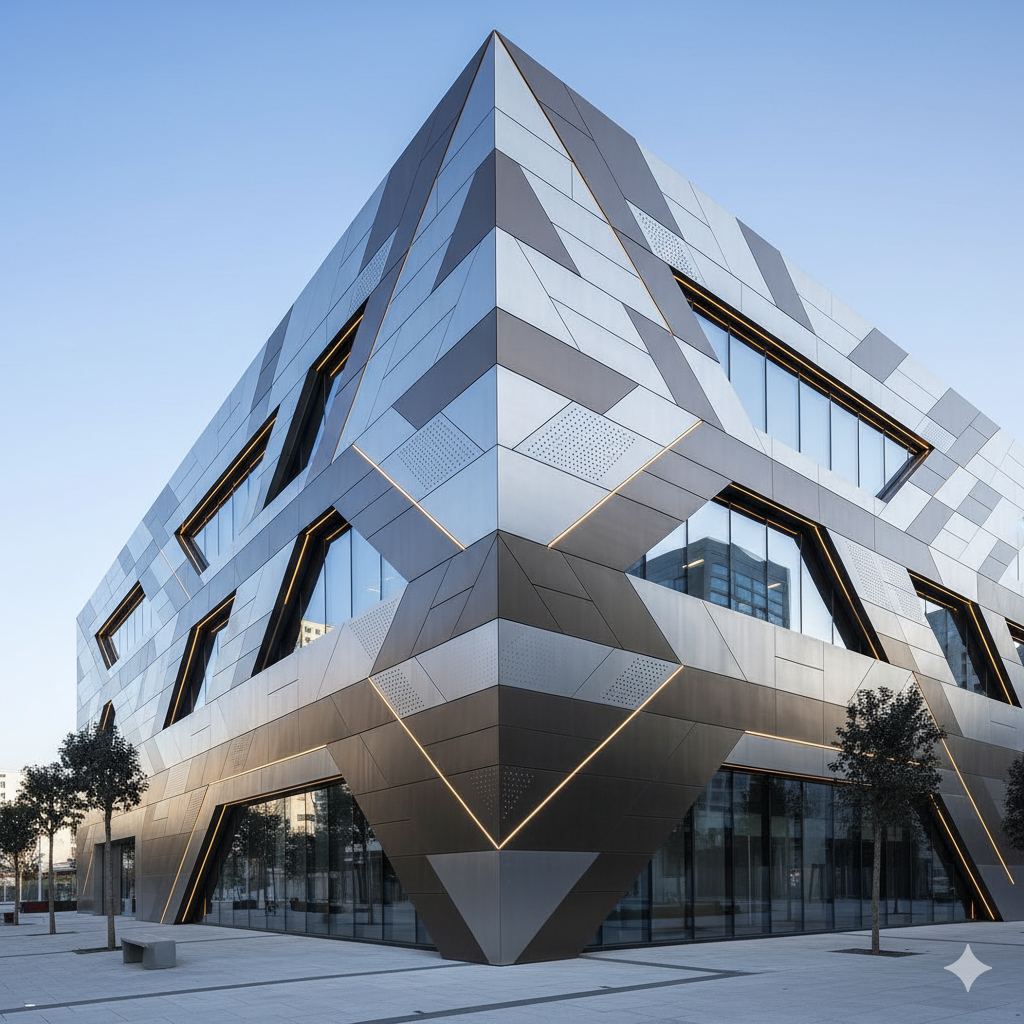
Architects favor aluminum composite wall panels for their ability to conform to complex shapes and deliver consistent finishes, making them a practical choice in both new construction and renovation projects.
Installation and Design Considerations
Aluminum composite wall panels require precise handling during installation to ensure long-term performance. Their design flexibility allows architects to achieve various aesthetic effects, while the material’s durability and maintenance needs influence the choice and care of the panels over time.
Panel Installation Methods
Installation typically involves several key steps: surface preparation, panel cutting, fastening, and sealing. Panels are usually attached to a metal substructure or frame using screws, rivets, or concealed fasteners. Proper alignment and leveling are critical to avoid warping or gaps.
Weatherproofing is essential. Installers apply sealants or gaskets to joints to prevent water infiltration, especially in exterior applications. The panels must accommodate building movement and thermal expansion, which is managed through appropriate spacing and flexible fixings.
Experienced installers often use precision tools such as laser levels and panel lifters to ensure accuracy. A common mistake is inadequate surface preparation, leading to poor adhesion or panel damage.
Architectural Design Options
Aluminum composite panels support a variety of finishes, including matte, glossy, metallic, and textured surfaces. These finish options allow for custom colors and patterns, often achieved through PVDF or polyester coatings, which also enhance UV resistance.
Panels can be shaped and cut into various sizes and profiles to fit unique architectural designs. They are suitable for flat or curved surfaces, allowing creative solutions from sleek modern facades to complex freeform structures.
Designers must consider panel thickness and core material selection (fire-rated or standard) depending on building codes and fire safety requirements. Integration with other materials such as glass, stone, or wood can create contrast and depth in building exteriors.
Durability and Maintenance
Aluminum composite panels are known for resistance to weather, corrosion, and impact. The outer aluminum layers protect the core, which is typically polyethylene or a fire-resistant alternative.
Maintenance involves routine cleaning with mild detergents to remove dirt and environmental pollutants. Avoid abrasive tools or strong chemicals that could damage the panel coatings.
Regular inspection of joints and sealants is recommended to prevent water ingress and panel warping. If damaged, panels can often be replaced individually without disturbing large facade sections, reducing long-term repair costs.