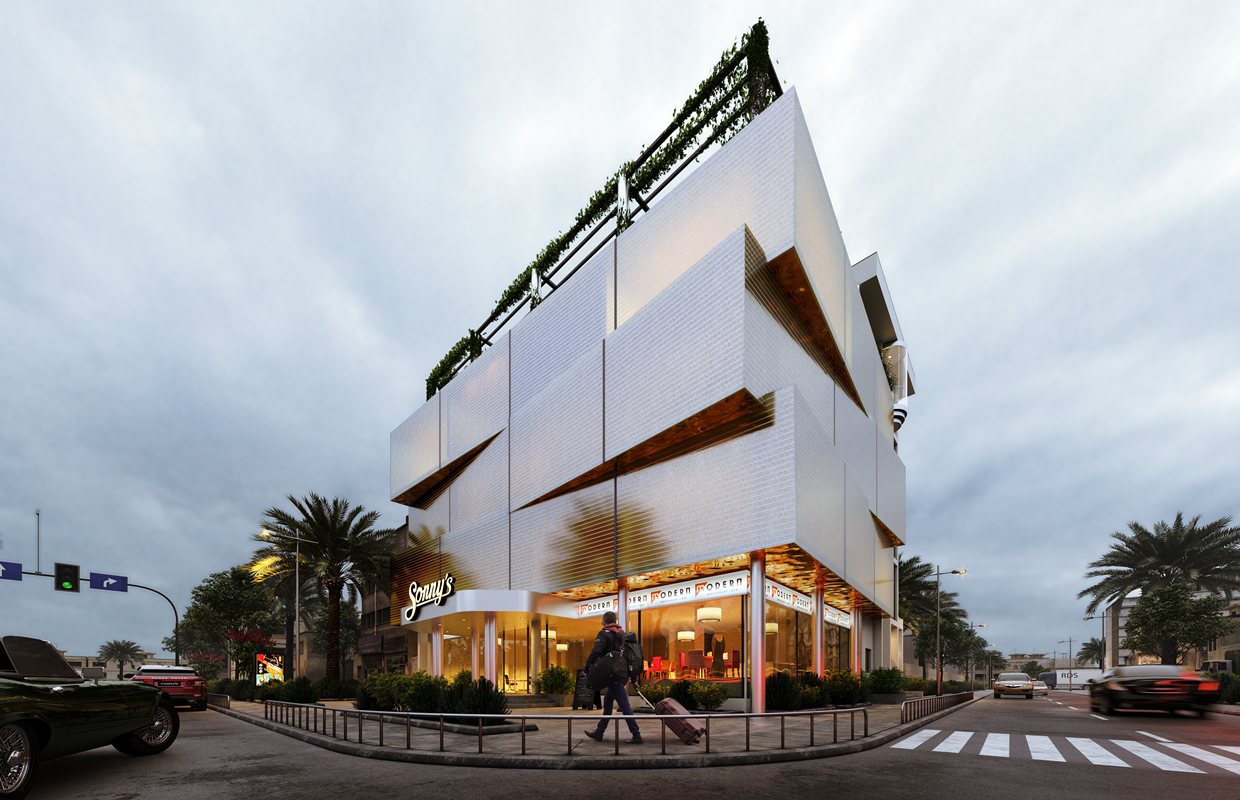
Cities rarely stand still. What was once an empty lot is now a headquarters, a shopping center, or a mixed-use area that shapes how individuals work, shop, and interact. The success of any commercial building depends on decisions made long before the construction begins.
These initial choices affect costs, future utilization, sustainability, and even brand perception. As construction transforms plans into structures, the real foundation is laid much earlier, through careful architectural planning that aligns the vision with purpose.
This guide explores how architectural design services support modern commercial projects, why they matter, and how strategic design decisions affect outcomes well beyond opening day.
Commercial architecture has evolved far beyond beauty. Modern projects are required to strike a balance among operations, regulatory demands, environmental concerns, and user experience.
The U.S. Green Building Council argues that buildings consume almost 40% of the worldwide energy use; thus, design efficiency is no longer considered an addition to the design.
Architectural services have shifted toward a more integrated approach between form and function, and are predicting the future utilization of the spaces several years down the line. Effective designs address the evolving working models, customer trends, and integration of technology.
The services of architectural design usually cover several stages of a business development. The stages are essential in terms of how the final structure works as desired. They include:
With these services, redesigns, delays, and budget overruns during construction can be minimized.
Modern commercial buildings are far more complex than those constructed several decades ago
Flexibility, efficiency, and visual appeal are equally demanded by tenants and investors, as well as end users.
A survey by McKinsey and Company established that a project that is planned well beforehand is 20% more likely to remain on budget and schedule. This is directly the result of the architectural design services, as that is what addresses potential problems before they become costly.
One of the most significant aspects of commercial design is still functionality. Ineffective layouts, a lack of good circulation, and an inability to be flexible to tenants may decrease productivity and the satisfaction of tenants.
Well-planned business areas help minimize operational friction and improve daily performance.
Sustainability is no longer a choice with commercial architecture. Many jurisdictions have introduced mandatory energy-efficient design requirements, and tenants are increasingly interested in an environmentally friendly setting.
The International Energy Agency says that using energy-efficient buildings can save up to 30% of operational expenses throughout the building life cycle.
These decisions support environmental goals while reducing long-term operating budgets.
Contemporary business operations are highly dependent on technology. With intelligent building systems and data infrastructure, architectural design should look ahead at the requirements and expectations.
Commercial construction has strict regulations of safety, accessibility, zoning, and environmental effects. Architectural professionals can play a crucial role in aligning project requirements with regulatory outcomes.
Based on industry statistics, regulatory concerns account for nearly 15% of commercial construction delays, so early architectural engagement is a risk-mitigation measure, not a formality.
The overall project costs are generally lower when the architectural design services are invested in. In-depth documentation and coordination ensure contractors can price work accurately and avoid change orders.
According to the Construction Industry Institute, cost overruns are up to 25% lower in projects with properly developed design documentation.
Commercial properties do not just stand still. Tenants, markets, and operational requirements continue to evolove. To maintain long-term value, architectural design services with an emphasis on flexibility can be provided.
These strategies assist commercial areas in keeping up with the changing needs. They enable buildings to expand, move, or remodel without significant inconvenience.
The current business work encourages close coordination among architects, builders, and engineers. Such collaboration is enabled by architectural design services, which provide a framework for aligning technical requirements with the project’s objectives.
A commercial building is more than its appearance. It must function well every day. Choices made during architectural design affect how efficiently the building operates, its sustainability, regulatory compliance, and long-term value.
As commercial areas grow more complex, architectural design plays a key role. It helps turn ideas into safe, useful, and lasting spaces. Efficient design makes sure buildings meet today’s needs and can adapt in the future.
Firms like Arrant Construction support modern commercial projects. They focus on smart planning, flexibility, and teamwork. This approach helps them meet current demands while staying ready for future changes.
Why are architectural design services important for commercial projects?
They ensure functional layouts, regulatory compliance, cost control, and long-term adaptability before construction begins.
How early should architects be involved in a commercial project?
Ideally, during site selection and feasibility planning, one should aim to prevent costly design changes later.
Do architectural services help control construction costs?
Yes. Detailed design documentation reduces errors, change orders, and budget overruns.
What role does architectural design play in supporting sustainability?
Architectural designs, if planned efficiently, including material choices, natural-light plans, and minimized operations, help reduce energy consumption.
Does architectural design enhance tenant satisfaction?
Spaces designed by professionals improve usability, comfort, and flexibility, which directly translate into tenant retention and productivity.

