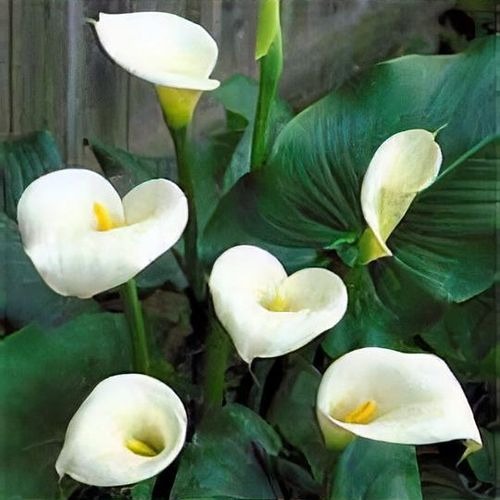
Healthy blooms start with high-quality arum lily flower bulbs, and choosing the right bulbs sets the stage for strong, vibrant plants. Firm, plump bulbs store energy that fuels roots, stems, and flowers. Poor bulbs often produce weak shoots or fail to bloom entirely.
Understanding how to select, plant, and care for these bulbs ensures gardeners enjoy bold flowers with graceful shapes and long-lasting color. This guide explains practical steps for choosing premium bulbs, preparing soil, planting correctly, and maintaining optimal growth throughout the season. From container displays to garden beds, the tips apply to every environment.
Following expert advice reduces mistakes, maximizes bloom potential, and allows gardeners of all levels to confidently cultivate beautiful arum lilies. Every tip aligns with horticulture best practices and professional growing standards.
The foundation of spectacular flowers begins underground. Strong arum lily flower bulbs contain enough stored energy to produce thick stems, healthy roots, and abundant blooms. Bulbs that are soft, shriveled, or discolored indicate poor storage or age, which can compromise growth. According to the Royal Horticultural Society (RHS), selecting firm, well-formed bulbs significantly increases flowering success and longevity.
Signs of quality bulbs include:
Healthy bulbs sprout evenly and establish quickly. Uneven bulbs can lead to delayed growth, fewer flowers, and wasted effort. Large hybrid varieties, in particular, benefit from robust bulb energy, resulting in stronger stems and longer-lasting blooms. By prioritizing bulb quality, gardeners ensure their plants reach full bloom potential, making the investment worthwhile.
Selecting the right variety is crucial for both garden design and plant health. Some arum lily varieties are ideal for borders, others for containers, and certain hybrids perform best indoors. Choosing a variety suited to the intended location reduces stress on the plants and supports optimal flowering.
Key considerations when choosing varieties:
Giant hybrid arum lilies are prized for vibrant colors and robust growth. These varieties often outperform standard types in bloom size and durability. Professional growers recommend matching bulb type to the specific planting environment to maximize success. Understanding these factors before purchase ensures long-term enjoyment and reduces the risk of weak or stunted plants.
Soil preparation is critical for healthy arum lily flower bulbs. These plants thrive in loose, well-draining soil enriched with organic matter. Heavy clay or soggy areas increase the risk of bulb rot and poor root development.
Steps for ideal soil preparation:
Plant bulbs at a depth of 10–15 cm, spacing them 30–40 cm apart to allow airflow. Position the growing tip upward and cover lightly with soil. Firm gently and water thoroughly. Proper soil preparation ensures bulbs can absorb nutrients efficiently and reduces disease risk, giving plants the best chance to flourish.
Consistent care after planting keeps arum lilies vigorous. Arum lily flower bulbs require steady moisture but cannot tolerate waterlogging. Overwatering causes root rot, while underwatering limits growth and flowering.
Key care tips:
During summer, remove yellowing leaves and spent flowers to encourage further blooms. Gardeners should also monitor for pests like slugs or aphids, which can damage young shoots. Container-grown lilies may need more frequent watering, especially in warm weather, and indoor plants benefit from bright, indirect light. By following these steps, gardeners maintain strong, vibrant flowers and extend bloom periods throughout the season.
Arum lilies thrive in containers, offering flexibility for patios, balconies, and indoor spaces. Using pots with adequate drainage and high-quality compost ensures root health and prevents waterlogging.
Container planting tips:
Indoor lilies should receive consistent temperatures and airflow to prevent mold or fungal issues. Proper watering and feeding schedules mimic outdoor conditions. Expert growers report that container-grown bulbs, when well-maintained, produce flowers as large and colorful as those planted in garden beds. Containers also allow for easier overwintering, as bulbs can be moved to sheltered areas or indoors to protect from frost.
After flowering, arum lily flower bulbs enter dormancy. Leaves naturally yellow and die back. Reducing watering during this phase prevents rot and prepares bulbs for rest.
In colder climates, lifting bulbs for winter storage ensures survival. Clean bulbs gently, remove soil, and store in a cool, dry location with good ventilation. Mulching outdoor beds provides additional protection against frost for bulbs that remain planted.
Proper overwintering sets bulbs up for early and strong growth the following season. Professional horticulture studies confirm that bulbs stored correctly maintain vigor and flower size. Whether stored indoors or protected outdoors, careful handling during dormancy supports healthy, long-lasting blooms year after year.
Healthy bulbs feel firm, heavy, and smooth. Avoid soft spots, wrinkles, or discoloration. Well-formed bulbs produce stronger roots and abundant flowers.
Yes. Place them in bright, indirect light with well-draining compost. Indoor bulbs require regular watering and feeding but bloom beautifully when cared for properly.
Plant bulbs 10–15 cm deep with the growing tip upward. Space 30–40 cm apart to ensure airflow and healthy development.
A balanced liquid fertilizer with equal N-P-K values promotes strong stems and large blooms. Feed every two weeks during active growth.
Store lifted bulbs in a cool, dry, ventilated location. Reduce watering and protect from frost. Proper storage ensures strong growth next season.
Strong arum lily flower bulbs are the foundation of vibrant blooms. Choosing firm, healthy bulbs, selecting the right variety, and preparing soil properly ensures long-lasting flowers.
Consistent watering, feeding, seasonal care, and proper overwintering support growth and prevent common problems. Arum Lily Bulbs provides premium giant hybrid varieties and expert guidance for gardeners of all levels.
By following professional tips, gardeners can confidently cultivate bold, colorful flowers in both outdoor beds and containers. Every season brings the opportunity to enjoy elegant arum lilies that enhance garden spaces and indoor displays.