
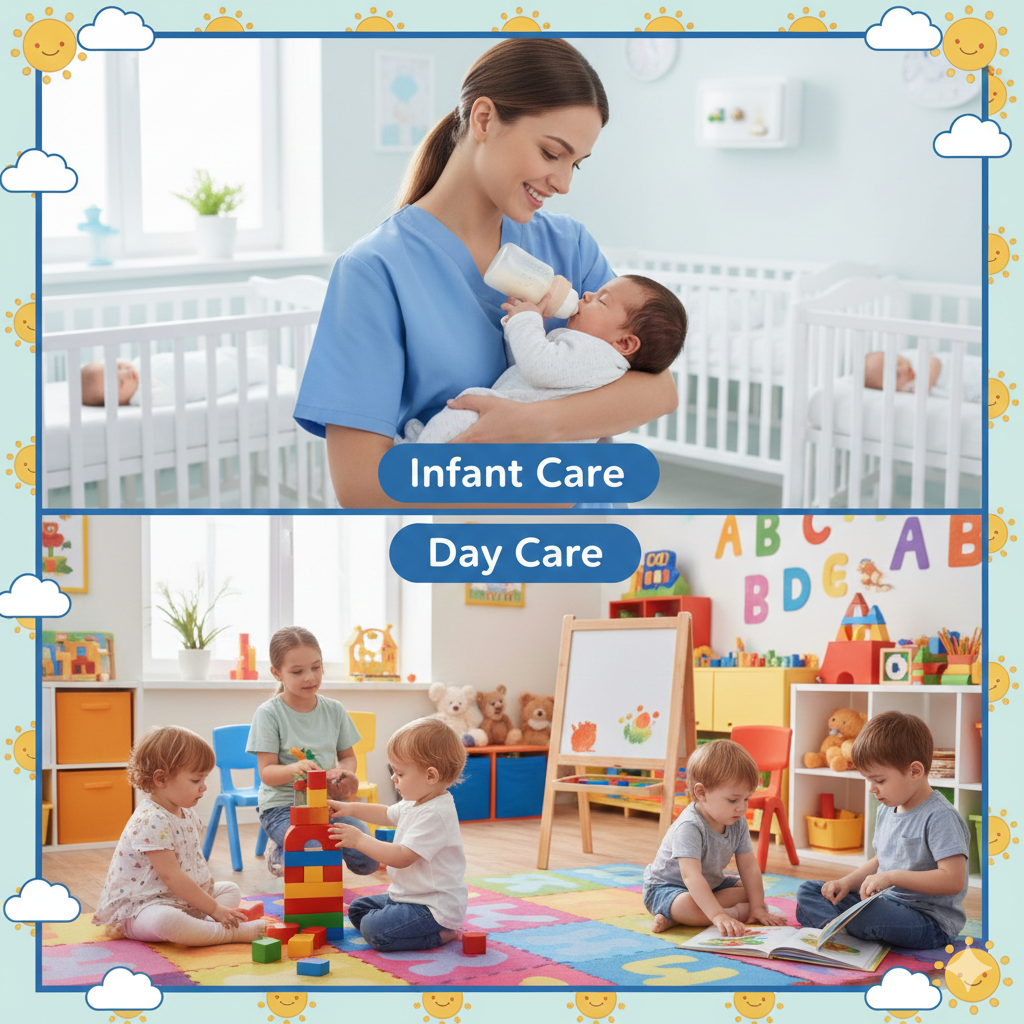
Finding the best preschool near me means identifying a place that balances quality education with a supportive environment. Parents look for programs that emphasize early literacy, social development, and age-appropriate activities to foster well-rounded growth.
The best preschools focus on developmentally appropriate learning combined with personalized attention, helping children build essential skills in a nurturing setting. Many preschools offer a mix of group activities, creative play, and foundational academics like early math, science, and language.
Local options may include public, private, and specialized early learning centers, each with different approaches and benefits. Comparing reviews, curriculums, and environments can help families choose the right fit for their child’s needs.
How to Choose the Best Preschool Near Me
Selecting the right preschool involves evaluating factors like location, curriculum, and environment. Parents often weigh convenience against quality and seek programs that align with their child’s needs and family values.
Key Factors in Selecting a Preschool
Parents should consider location, safety, and staff qualifications first. A preschool close to home or work reduces travel time and stress. It’s important to verify that teachers are properly trained and experienced in early childhood education.
The environment must be clean, secure, and child-friendly, with age-appropriate materials and space for safe play. Additionally, class size and teacher-to-child ratio affect the level of individual attention children receive.
Cost is another critical factor. Comparing tuition fees and available schedules—full-day or part-time—helps families find options that fit their budget while meeting educational goals.
Benefits of Local Preschools
Choosing a preschool near home offers logistical advantages like shorter drop-off and pick-up times. This can lead to a more consistent routine for the child, which supports emotional stability and readiness to learn.
Local preschools often foster a neighborhood community feel, encouraging social connections with families nearby. This can ease transitions and build stronger support networks for parents and children alike.
Parents also tend to have easier access to visit, communicate with teachers, and stay involved in school activities, enhancing engagement with their child’s development.
Comparing Preschool Curriculums
Different curriculums emphasize varied developmental goals. Some focus on play-based learning, fostering creativity and social skills. Others follow structured academic approaches that introduce early literacy and numeracy.
Programs like Montessori promote independence and self-directed activity, while Reggio Emilia emphasizes exploration and expression. Parents should review curriculum details to match their educational priorities.
It’s crucial to assess how the curriculum encourages growth in key areas: cognitive, social-emotional, physical, and language development. A balanced program supports a well-rounded foundation for future schooling.
Enrolling Your Child in a Nearby Preschool
Choosing a nearby preschool requires careful attention to specific criteria and procedural steps. Parents should be aware of the documentation, eligibility, and program requirements before starting enrollment. Preparation and understanding of the process smooth the way for a successful application.
Understanding Admission Requirements
Most preschools require several basic documents for enrollment. These often include the child’s birth certificate, immunization records, and proof of residency. Some programs also ask for health screenings or developmental assessments.
Age limits usually apply, typically between 2 and 5 years. Parents should verify program-specific age policies, as some preschools may have precise cut-off dates.
Certain preschools, especially private or bilingual ones, might require interviews or observation sessions to assess a child’s readiness. Additionally, families should check if there are priority placements for siblings of enrolled children or residents of the district.
Preparing for the Enrollment Process
Preparation begins with gathering all required paperwork ahead of deadlines. Many preschools use online forms, while others may require in-person submission. It’s important to complete these accurately and timely.
Parents should also contact the preschool to ask about waiting lists, tuition fees, and available financial assistance. Visiting the school and meeting staff can provide valuable insight into the environment and teaching approach.
Creating a checklist helps keep track of tasks such as submitting forms, attending orientation sessions, and confirming enrollment status. Early preparation can reduce stress and increase chances of securing a preferred preschool placement.