
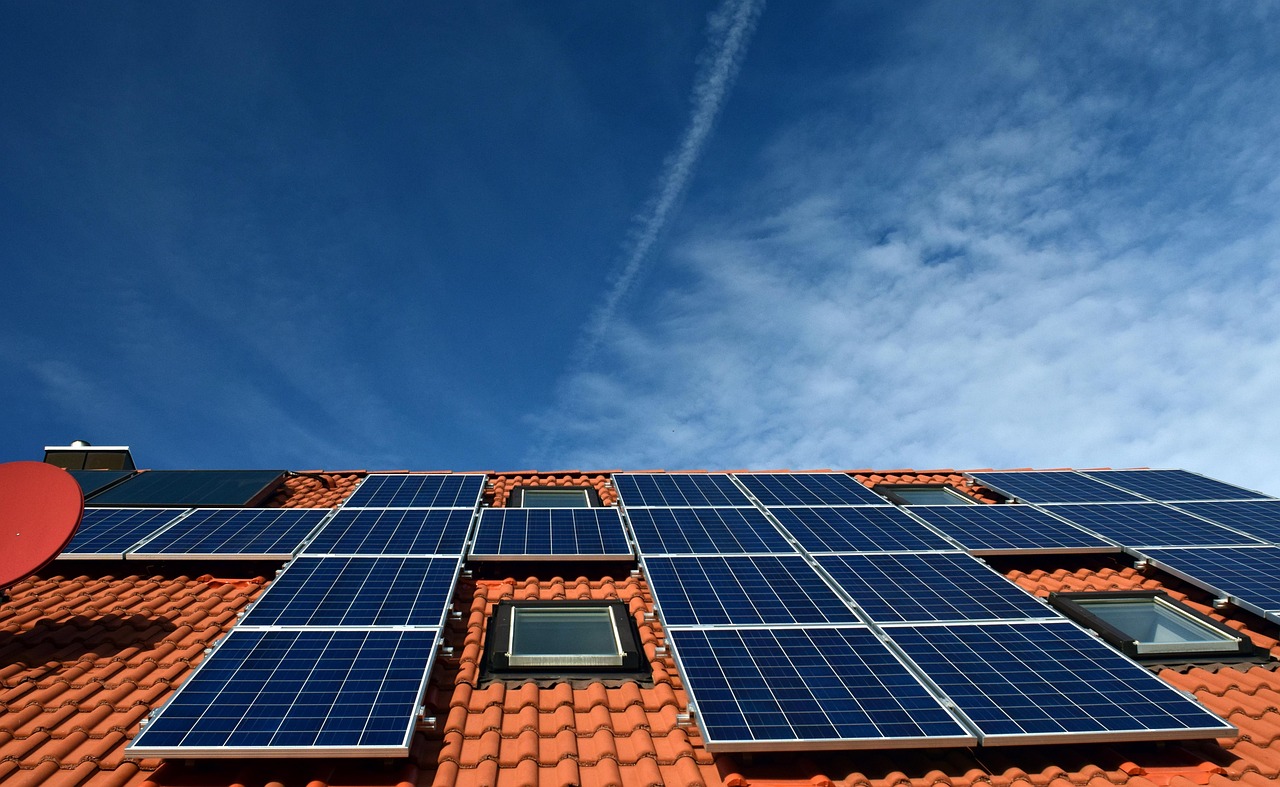
Building integrated solar refers to photovoltaic systems that are incorporated directly into the structure of a building, such as roofs, windows, or façades. These systems serve a dual purpose: they act as building materials while simultaneously generating electricity from sunlight. This integration allows buildings to produce renewable energy without the need for separate solar panels mounted on top of existing structures.
By replacing conventional building elements with solar materials, building integrated solar reduces energy loss during transmission and improves overall energy efficiency. It offers a practical solution for urban environments where space is limited, allowing buildings to harness solar power while maintaining their design and function. This approach is gaining attention as a seamless, sustainable way to meet energy demands directly at the point of consumption.
Overview of Building Integrated Solar
Building integrated solar systems blend renewable energy technology directly with architectural elements. This integration creates multifunctional structures that generate electricity while serving traditional building roles such as roofs, façades, or windows.
Definition and Key Concepts
Building integrated solar refers to solar photovoltaic (PV) technology incorporated into the physical components of buildings. Unlike conventional solar panels mounted on rooftops, these systems are embedded within the building envelope itself, forming part of the architecture.
Key aspects include seamless integration with structural elements, such as glazing or roofing materials, allowing solar cells to generate power without altering the building’s aesthetic. This approach also reduces the need for separate mounting systems.
The dual function of these solar elements means they act as both energy generators and building materials, contributing to energy efficiency by producing electricity directly at the point of consumption.
Types of Building Integrated Photovoltaics
The main types of building integrated photovoltaics (BIPV) are categorized by their application and form:
Each type can be frameless or translucent to maintain architectural aesthetics. Technological variations include monofacial, bifacial, and thin-film solar cells, selected based on building orientation and design.
Benefits for Sustainable Architecture
Building integrated solar offers multiple advantages for sustainable design. First, it enhances energy efficiency by reducing transmission losses as energy is generated on-site. This local generation supports grid independence and lowers electricity bills.
Secondly, BIPV improves building aesthetics by replacing conventional materials with solar-active components. This integration avoids bulky external panels and contributes to innovative architectural expression.
Furthermore, BIPV supports carbon footprint reduction by increasing renewable energy usage without expanding building footprints. It also offers potential incentives through green certifications and regulatory compliance for energy codes.
Finally, these systems contribute to thermal performance and daylight control, enhancing occupant comfort alongside energy production.
Design, Applications, and Future Trends
Building-integrated solar technology combines functionality with architectural design, maximizing both energy generation and aesthetic value. The application is diverse, spanning various building components, and continues to evolve with new materials and technological advances.
Integration Methods in Buildings
Solar modules can be embedded directly into building envelopes, replacing conventional materials such as roofs, facades, or windows. This integration includes semi-transparent solar cells for windows and photovoltaic panels incorporated into walls or roofing tiles. The design ensures the modules serve dual purposes—energy production and structural function—reducing the need for separate mounting systems.
Bifacial solar cells are gaining attention for their ability to capture light on both sides, increasing efficiency when integrated into building exteriors. Additionally, shading elements can be combined with photovoltaic modules to improve thermal comfort while still producing electricity.
Common Use Cases in Construction
Building-integrated photovoltaics (BIPV) are predominantly used in residential, commercial, and urban environments. Typical applications include solar curtain walls, canopies, skylights, and roofs. These installations help buildings meet energy demands and support sustainability goals.
In urban settings, BIPV supports decarbonization by generating clean power on-site. Integration into high-rise towers and custom architectural elements allows developers to meet strict energy codes without compromising design. Residential projects use solar shingles and glass façades to weave power generation seamlessly into everyday living spaces.
Challenges and Opportunities
Key challenges include balancing efficiency with aesthetic and structural requirements. Solar materials must meet architectural standards without compromising performance or durability. Cost is another factor; integrating photovoltaics directly into building materials typically requires higher initial investment.
Nevertheless, opportunities exist in the mass adoption of flexible and lightweight modules that can retrofit existing structures. Advances in organic and perovskite solar cells offer prospects for improved design flexibility and affordability. Regulatory incentives and growing environmental awareness are driving increased interest and investment in BIPV technologies.
Recent Innovations and Emerging Technologies
Emerging technologies are focusing on enhancing module efficiency and adaptability. Organic photovoltaics (OPV) and perovskite solar cells allow for lighter, semi-transparent, and more customizable panels. These innovations expand design possibilities, especially for windows and façades.
Advancements in materials also improve integration with building envelopes by providing better thermal management and weather resistance. Smart BIPV systems are being developed to optimize energy production based on building orientation and sunlight exposure, supported by IoT and AI technologies for real-time performance monitoring.
| Technology | Advantage | Application |
| Bifacial Solar Cells | Increased energy yield from both sides | Facades, rooftops |
| Semi-transparent Cells | Light transmission with power generation | Windows, skylights |
| Perovskite Solar Cells | High efficiency, flexible design | Façades, lightweight panels |
| Organic Photovoltaics (OPV) | Flexibility, aesthetic options | Curved surfaces, building wraps |