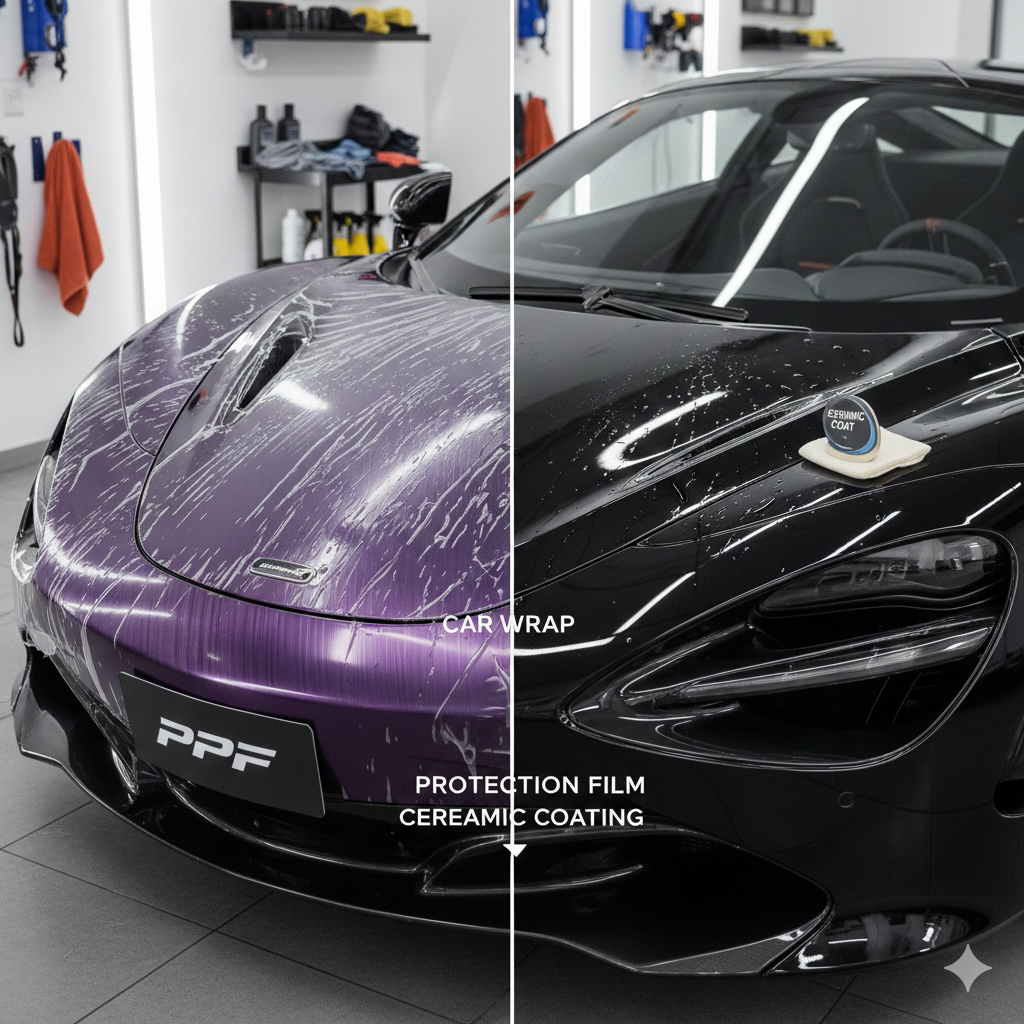
Ceramic coating car is a liquid polymer that bonds to the vehicle’s clear coat, creating a protective layer that repels water and resists minor scratches. This coating offers long-lasting protection and helps maintain a glossy, clean appearance without the frequent need for waxing or polishing.
It works by forming a hydrophobic surface, causing water and dirt to bead up and roll off easily, reducing the risk of damage from environmental contaminants. Because it chemically bonds to the paint, ceramic coating is more durable than traditional waxes and sealants.
Car owners who want to preserve their vehicle’s finish often consider ceramic coating for its ability to minimize maintenance efforts while enhancing shine. Understanding how it works and its benefits can help decide if it’s the right choice for a specific car.
What Is Ceramic Coating for Cars?
Ceramic coating is a specialized protective layer applied to a vehicle’s paint surface to enhance durability and appearance. It creates a chemically bonded shield that improves resistance to environmental contaminants, water, and minor scratches. The technology varies in formulation and application, offering several benefits and common misconceptions.
How Ceramic Coatings Work
Ceramic coatings are made from liquid polymers, primarily silicon dioxide (SiO₂), which form a strong chemical bond with the car’s clear coat. When applied, the coating cures into a hard, transparent layer that integrates at the molecular level with the paint surface.
This bond differs from traditional waxes or sealants that merely sit on top and wear off quickly. The coating’s nanoscale particles create a slick, hydrophobic surface, causing water and dirt to bead and roll off. This effect helps maintain the car’s finish by reducing the buildup of grime and protecting against minor abrasions.
Types of Ceramic Coatings
There are several types of ceramic coatings, distinguished by their composition and performance levels:
| Type | Composition | Durability | Application |
| Basic SiO₂ Coating | Silicon dioxide-based | 1-2 years | DIY or professional |
| Enhanced SiO₂ Coating | Higher concentration of SiO₂ | 3-5 years | Professional advised |
| Graphene-infused | SiO₂ plus graphene | 5+ years | Professional only |
Basic coatings are more accessible but offer shorter protection periods. Advanced coatings often include additives like graphene for increased hardness, shine, and heat resistance. Application quality significantly affects longevity and effectiveness.
Key Benefits of Ceramic Coating
Ceramic coatings provide several distinct advantages over traditional paint protection methods:
While it’s not scratch-proof or maintenance-free, ceramic coating extends the lifespan of a car’s exterior and maintains its glossy appearance with less frequent detailing.
Common Myths About Ceramic Coating
Several misconceptions surround ceramic coatings that can lead to unrealistic expectations:
Understanding these points helps car owners make informed decisions about protective treatments and care routines.
Applying and Maintaining Ceramic Coating
Ceramic coating involves careful application and consistent upkeep to maximize protection and shine. Proper surface preparation, choosing between professional or DIY application, and following maintenance best practices are critical. Avoiding common errors also ensures the coating lasts and performs effectively.
Professional vs DIY Application
Professional application offers precision and a controlled environment. Experts use high-grade products and equipment, ensuring even coverage and proper curing. This typically results in a longer-lasting finish with fewer risks.
DIY kits are more affordable but require strict attention to detail. The surface must be impeccably clean and polished before application. Improper technique or environmental factors like dust can cause uneven coating or reduced durability. Home users should follow kit instructions carefully and work in dust-free conditions.
Choosing between professional and DIY depends on the budget, experience, and desired results. Professionals guarantee quality, while DIY offers cost savings but demands patience and precision.
Preparation Before Application
Surface preparation is essential for ceramic coating to bond properly. It starts with a thorough wash to remove dirt, grease, and contaminants. Next, clay bar treatment removes embedded particles that washing alone can’t clear.
After cleaning, paint correction through polishing removes swirl marks and imperfections. This ensures an even, smooth paint surface for the coating to adhere to.
Finally, the surface must be wiped with an isopropyl alcohol solution to eliminate oils or residues. This step is crucial because any leftover substance can prevent proper curing.
The environment should be dust-free and shaded to avoid contaminants and premature drying during application.
Maintenance Tips for Longevity
Maintaining ceramic coating requires gentle cleaning techniques. Use pH-neutral car shampoos and avoid abrasive brushes or towels that can scratch the coating.
Regular washing every 1-2 weeks prevents dirt buildup and preserves the glossy finish. Use microfiber cloths and rinse thoroughly.
Avoid automatic car washes with harsh brushes, as they can degrade the coating. Applying a ceramic booster spray periodically helps to restore the hydrophobic properties and maintain protection levels.
Inspect the coated surface frequently to detect early signs of wear. Prompt touch-up applications can extend the coating’s lifespan significantly.
Common Mistakes to Avoid
Rushing surface preparation is a common error that reduces coating effectiveness. Skipping polishing or thorough cleaning leads to poor bonding and patchy results.
Applying ceramic coating under direct sunlight or high humidity often causes streaking or improper curing. The coating should be applied in a controlled, shaded environment.
Over-applying the coating can cause excessive residue buildup, which is difficult to remove and dulls the shine.
Neglecting regular maintenance after application will shorten the coating’s durability. Proper washing and using compatible products are essential to avoid damaging the protective layer.