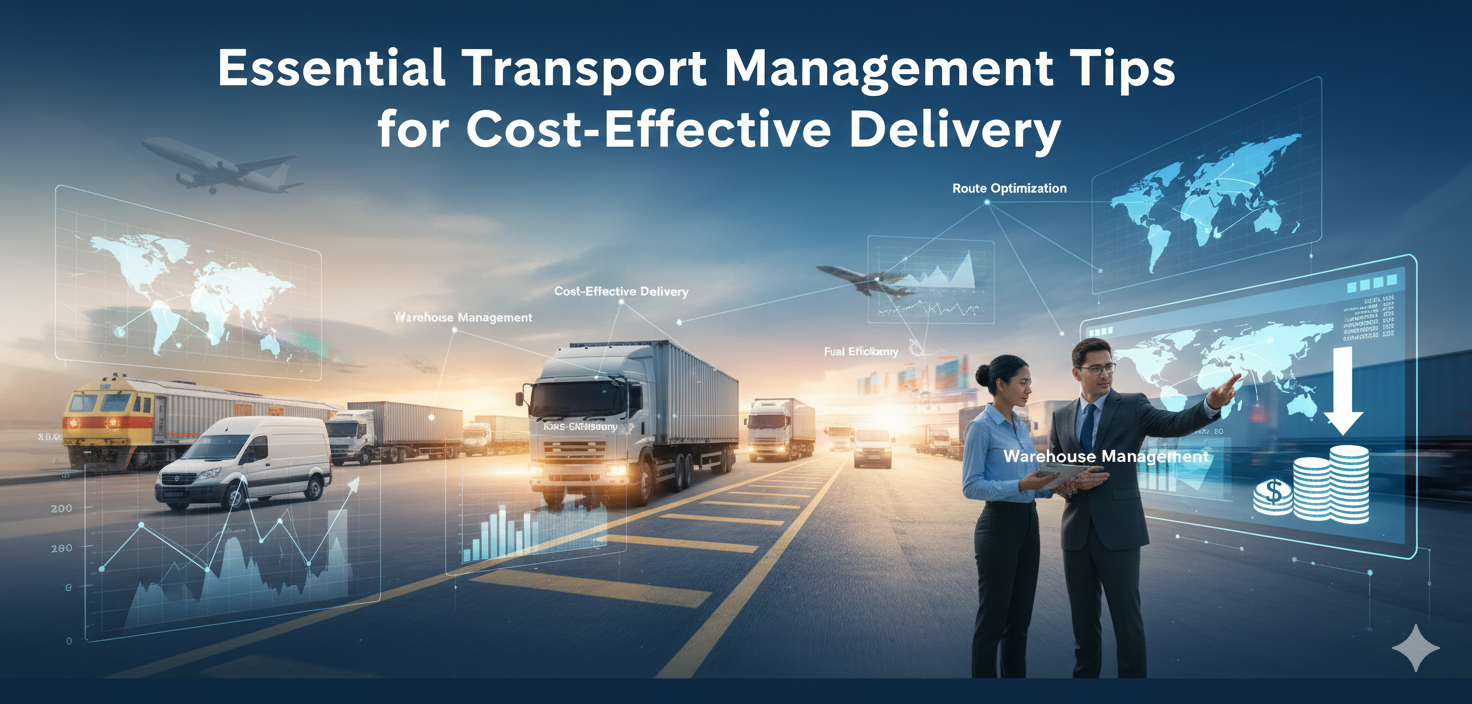
Running a delivery operation efficiently is never easy. Every business knows that late shipments, idle vehicles, and unexpected fuel costs can eat into profits quickly. If you work with a Transport Management Services provider, however, you can gain more control over your logistics, save money, and make your operations much smoother. Keeping your Transit Fleet organized and well-maintained is just as important as planning your routes.
Let’s explore practical ways to make delivery operations more cost-effective—without overcomplicating things.
Cost-effective delivery isn’t just about cutting expenses. It’s about making the entire process smarter. Businesses that focus on efficiency can:
Get products to customers faster
Reduce wear and tear on vehicles
Make better use of drivers’ time
Cut unnecessary fuel costs
Even small improvements in your Transit Fleet can add up over weeks and months, leaving more money for growth.
Imagine sending a truck out with three stops on the wrong route—it wastes fuel and time. Planning routes carefully helps avoid this:
Group deliveries in the same neighborhood
Avoid busy streets during rush hour
Reduce empty trips where trucks drive without cargo
Small route adjustments can make your Transit Fleet feel twice as efficient without adding more vehicles.
Fuel is often the single largest expense in transport. There are simple ways to reduce it:
Track how much each vehicle uses per day
Encourage smoother acceleration and braking
Schedule routine maintenance to keep engines efficient
Even small changes in driving habits can lead to big savings across the fleet.
Vehicles break down when you least expect it, and repairs can get expensive fast. Keeping a Transit Fleet in good shape requires:
Routine inspections every few months
Replacing worn tires and brakes promptly
Keeping a record of all repairs
A healthy fleet not only saves money but also reduces the risk of late deliveries.
Drivers are more than just people behind the wheel—they’re critical to cost efficiency. Proper training can:
Encourage fuel-saving habits
Reduce accidents and vehicle damage
Help drivers plan routes more effectively
A well-trained driver keeps operations running smoothly, which indirectly saves money on maintenance and fuel.
You don’t need complicated systems to make a difference. Even basic tools from Transport Management Services can help:
Real-time vehicle tracking
Automated delivery scheduling
Maintenance reminders
Insights from past routes to plan better
Technology helps you see where your money is going and fix issues before they become expensive problems.
Think about it: sending half-empty trucks costs money. Consolidating shipments helps:
Group deliveries going to the same area
Fill trucks closer to capacity
Schedule recurring trips for efficiency
Your Transit Fleet will run fewer miles and save fuel, making deliveries cheaper without slowing anything down.
Knowing what’s happening on the ground makes cost-saving possible. Track:
Fuel usage
Delivery times
Vehicle downtime
Maintenance costs
Checking these numbers regularly gives you the insight to tweak routes, schedules, and maintenance—saving money over time.
Sustainable practices often reduce costs naturally:
Turn off engines during long stops
Encourage eco-friendly driving habits
Consider energy-efficient vehicles when possible
Green practices don’t just help the planet—they help your bottom line too.
1. What is transport management?
It’s the planning and coordination of deliveries to cut costs, save time, and keep goods moving efficiently.
2. How do I optimize a transit fleet?
Plan routes carefully, maintain vehicles regularly, train drivers, and monitor fuel use.
3. Are Transport Management Services useful for small businesses?
Yes. Even smaller fleets benefit from structured management and better insights.
4. How often should vehicles be maintained?
Routine maintenance every few months keeps vehicles reliable and avoids costly repairs.
5. How do drivers affect costs?
Fuel-efficient driving and proper handling of cargo prevent waste and reduce accidents.
Efficient delivery is about more than saving money—it’s about running smarter. By planning routes, maintaining your fleet, training drivers, and using technology wisely, businesses can make deliveries cheaper and more reliable. Leveraging Transport Management Services and carefully managing a Transit Fleet ensures smoother operations, fewer delays, and more satisfied customers. When these strategies are applied consistently, delivery challenges turn into opportunities for growth and efficiency.