
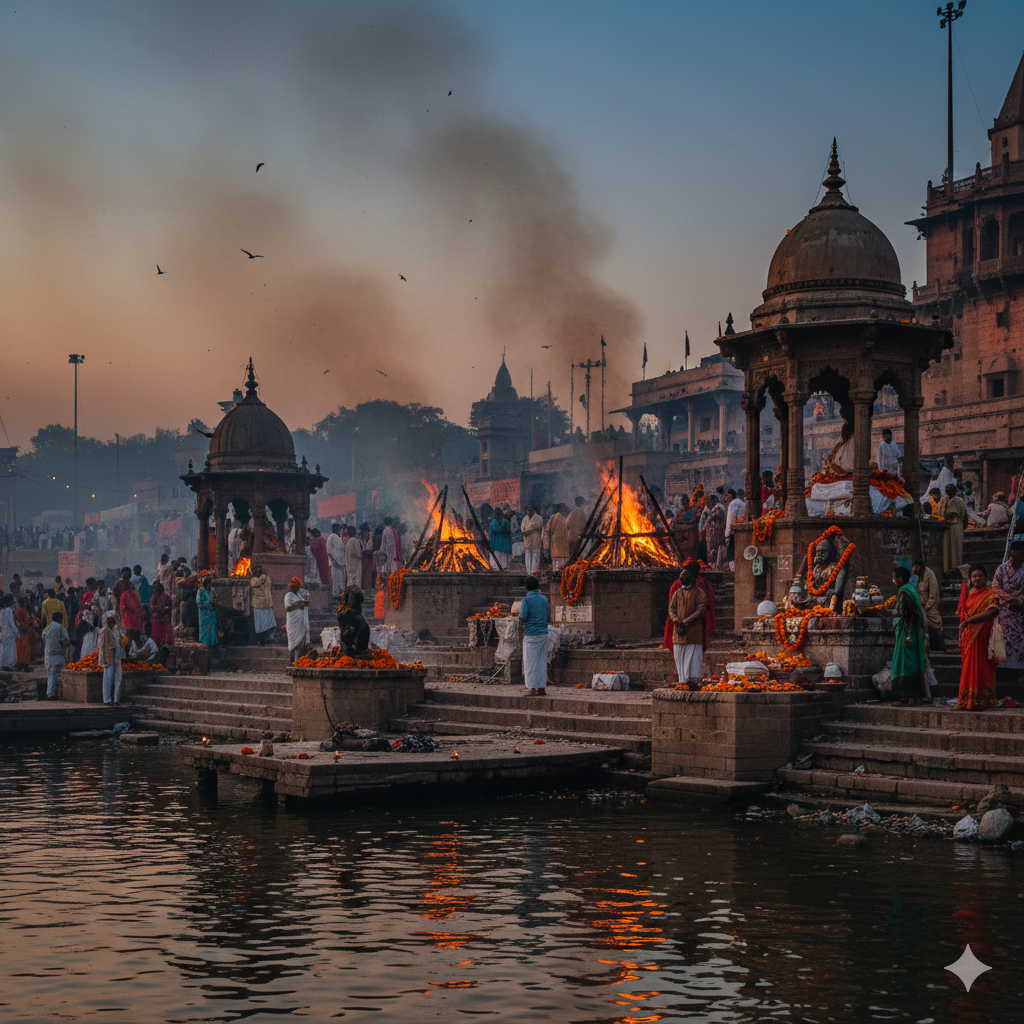
Cremation in Mumbai can feel overwhelming, but you can find reliable, dignified options that match your beliefs and budget. You’ll learn practical choices—electric and traditional wood cremations, nearby crematoriums, and services that handle transport, rituals, and paperwork—so you can act quickly and with confidence.
This article guides you through what to expect from cremation service providers in Mumbai and how to arrange respectful aftercare without unnecessary stress. You’ll get clear steps for choosing a service, booking a crematorium, and managing essential tasks so the process feels manageable during a difficult time.
Cremation Service in Mumbai
You can choose between electric (electric furnace) and traditional wood pyre cremations at major Mumbai crematoria, and you must handle identity, death, and transport documents quickly to avoid delays. Prices, available time slots, and pandit services vary by funeral provider and crematorium.
Types of Cremation Services Offered
Mumbai cremation providers typically offer:
Compare costs, availability, and whether the crematorium accepts private service providers before you book. Confirm 24×7 support, vehicle availability, and whether the site allows traditional wood pyres if religious rites require them.
Traditional Cremation Ceremonies
If you choose a traditional Hindu ceremony, expect these core steps: final ablution and dressing of the body, placement on the pyre or bier, priest-led rituals (mantras, offerings), and the chief mourner performing the lighting. Ritual duration depends on family practice and pandit instructions; allow extra time if multiple rites follow.
Bring or arrange essential items: sacred thread (if used), ghee, camphor, flowers, and clothing for the rites. Many families hire a priest through the crematorium or a funeral service; if you arrange privately, confirm the priest’s familiarity with local crematorium rules.
Plan logistics for ash collection and immersion: crematoria provide ash release protocols and certificates. If you intend to immerse ashes in a river, check transport rules and any required permission or documentation.
Legal Requirements and Documentation
You must obtain and present specific documents: the death certificate issued by a hospital or municipal authority, the deceased’s identity proof (Aadhaar or passport), and a signed cremation authorization from the family or legal next of kin. For unattended deaths or medico-legal cases, police clearance or an inquest report may be necessary before cremation.
If you transfer remains between districts or out of state, secure a transit permit from local authorities. Municipal crematoria often require advance booking and ID verification at the gate; private providers may handle this paperwork for you. Keep copies of all documents and receipts for later legal or administrative needs.
Arranging Cremation and Aftercare
You will make decisions about location, cost, and emotional/logistical support. These choices affect permit timelines, ritual options, and how ashes are handled.
Selecting a Crematorium in Mumbai
Choose a crematorium based on proximity to family, available cremation type, and operating hours. Public grounds like municipal ghats may be closer and cheaper, while private crematoria often offer 24/7 slots and dedicated waiting rooms.
Confirm whether the site provides electric (electric furnace) or traditional wood pyre services, as not every crematorium supports both. Check capacity for religious rites—some locations permit full Hindu last rites and priests on-site; others restrict loud ceremonies.
Verify paperwork requirements and turnaround time for permits and transportation. Ask the crematorium about vehicle access, parking for mourners, and whether staff will help with corpse transfer from hospital or home. Get contact numbers for on-call staff so you can coordinate quickly during short legal windows.
Cost Factors and Packages
Costs vary by crematorium, type of cremation, and included services. Expect base fees for the cremation slab or furnace, plus charges for stretcher/vehicle transfer, attendants, pandit/ritual services, and ash collection. Municipal sites usually charge lower base fees; private providers bundle services into packages.
Look for transparent, itemized pricing. Typical line items: permit processing, vehicle transfer (per km), use of waiting/ceremony room, wood or electricity charges, and final rites assistance. Ask about refundable or additional charges (late-night service, religious specialist, extended memorial facilities). Compare at least two providers and request a written quote to avoid surprise fees.
Support Services for Families
You can rely on funeral service providers for logistics and emotional support. Many companies offer 24×7 helplines that handle documentation, transport, and on-site coordination, which reduces stress during the first 24–48 hours after death. Choose providers that explicitly include permit handling to ensure timely processing.
Additional services include pandit/ritual coordination, body preparation, temporary refrigeration, and ash immersion arrangements. Confirm whether the provider arranges post-cremation tasks like issuing the cremation certificate and delivering ashes to you or to a selected immersion site. Ask about grief counseling referrals if you need emotional support after the funeral.