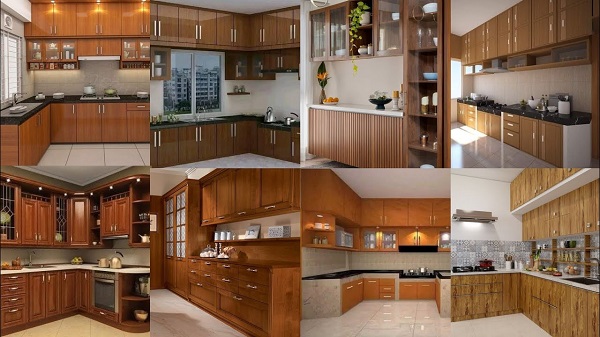
Custom kitchen cabinets offer a practical and personalized solution for maximizing storage while enhancing the overall design of a kitchen. They are crafted to fit specific spaces and preferences, allowing homeowners to select materials, finishes, and styles that align with their needs and taste.
Custom cabinets provide durability and tailored functionality that pre-made options often lack, making them a worthwhile investment for those seeking both beauty and efficiency in their kitchens. Skilled craftsmen create these cabinets to accommodate unique layouts and optimize every inch of available space.
Choosing custom kitchen cabinets also allows for seamless integration with other kitchen elements, ensuring a cohesive and polished appearance. This flexibility supports not only aesthetic goals but also long-term satisfaction with kitchen use and organization.
Custom Kitchen Cabinets Overview
Custom kitchen cabinet is designed to fit specific dimensions, style preferences, and functional needs. They provide a level of personalization and quality that extends beyond standard or semi-custom options. Attention to material choice, design flexibility, and current trends play key roles in achieving both practicality and aesthetics.
Benefits of Custom Kitchen Cabinets
Custom kitchen cabinets offer precise fitting tailored to the kitchen’s unique layout. This eliminates wasted space and enhances storage efficiency through options like pull-out shelves, deep drawers, or integrated organizers.
Durability is typically higher due to premium materials and expert craftsmanship. Customization improves functionality with adjustable shelves, specialized compartments, and hardware chosen for ease of use.
The aesthetic appeal is another advantage. Clients can select finishes, colors, and styles that match their overall home design. This results in a cohesive and personalized look that stock cabinets cannot replicate.
Types of Custom Cabinet Materials
Custom cabinets are commonly constructed from solid wood, plywood, medium-density fiberboard (MDF), or particleboard. Solid wood, such as oak, maple, or cherry, offers strength and a classic appearance but comes with a higher price.
Plywood combines durability with resistance to warping and is often used for cabinet boxes. MDF is smooth and ideal for painted finishes but is less moisture-resistant compared to plywood.
Finishes and veneers add another layer of customization. Real wood veneers can mimic solid wood looks at lower costs, while laminates provide diverse textures and colors with easier maintenance.
Customization Options
Customization goes beyond size and shape. Choices include door styles (shaker, flat-panel, raised panel), hardware types (knobs, handles, pulls), and interior layouts like spice racks or wine racks.
Customers often select specific hinge mechanisms, soft-close features, or lighting integration for convenience. Color and finish options include stains, paints, or natural wood tones.
Many companies offer design consultations to tailor cabinets according to cooking habits, storage priorities, and kitchen traffic flow. This personalized approach maximizes efficiency and user satisfaction.
Popular Design Trends
Contemporary kitchens lean toward minimalist, clean lines and neutral palettes like white, gray, and black. Matte finishes and flat-panel doors are commonly favored for their sleek appearance.
Two-tone cabinetry, combining darker lower cabinets and lighter uppers, creates visual interest and depth. Open shelving or glass-front doors are used to showcase dishware and decorative items.
Sustainable materials, such as reclaimed wood or low-VOC paints, are rising in popularity. Hardware choices now include matte black, brushed gold, or brass to add subtle contrast to cabinetry surfaces.
Design and Installation Process
The process of creating custom kitchen cabinets involves careful planning, precise measurements, material and finish selection, and expert installation. Each phase builds on the previous one to ensure the final product meets the specific needs and aesthetic preferences of the homeowner.
Initial Consultation and Planning
The process begins with a thorough consultation to identify the homeowner’s needs, style preferences, and budget. During this phase, the designer gathers information about kitchen usage patterns, storage requirements, and appliances to be accommodated.
Clients and designers discuss layout options, materials, and design features such as soft-close doors or specialized compartments. Clear communication at this stage helps avoid costly changes later. The designer may provide sketches or digital renderings to help visualize the project.
Budget considerations are finalized here, factoring in materials, labor, and any additional features. A well-defined plan sets the foundation for a successful project.
Cabinet Measurements and Layout
Accurate measurements of the kitchen space are critical. Professionals measure walls, ceiling heights, windows, doors, and any existing fixtures that affect cabinetry placement.
These measurements form the basis for creating a detailed cabinet layout, which maximizes space efficiency and workflow. Designers use the data to create scaled drawings or 3D models that show exact cabinet positioning.
Spacing around appliances must comply with standard clearances to ensure usability. Adjustments are made to accommodate plumbing or electrical outlets behind cabinets. This step prevents installation issues and guarantees that cabinets fit perfectly.
Selecting Finishes and Hardware
Choosing the right finishes and hardware defines the cabinets’ look and durability. Options include various wood species, laminate, paint, or veneer finishes, each with distinct textures and resistance levels.
Hardware choices such as handles, knobs, and hinges must complement the cabinet style and support functionality. Soft-close hinges or full-extension drawer slides improve ease of use.
Homeowners should consider maintenance and wear resistance when selecting finishes and hardware. Samples are often provided to help them visualize how different options will appear in their kitchen lighting and setting.
Professional Installation Steps
Installation begins by preparing the kitchen, including removing old cabinetry and ensuring walls and floors are even. Professionals then securely fasten cabinets to wall studs, starting with the upper cabinets.
Each cabinet is leveled and aligned to create a seamless appearance. Installers connect cabinets together to ensure stability and proper spacing between units.
The process includes attaching hardware, adjusting doors and drawers for smooth operation, and installing any custom features such as crown molding or lighting. Final inspections confirm all components meet quality standards and client expectations.