

Recognizing the early signs of pneumonia in dogs can make a life-saving difference. Pneumonia progresses quickly, especially in puppies, senior dogs, or dogs with weakened immune systems. When caught early, treatment is more successful, breathing improves faster, and the risk of complications decreases. Because pneumonia in dogs often begins with subtle symptoms, sometimes mistaken for kennel cough or a mild cold, many pet owners delay seeking help. Early intervention at an emergency veterinary hospital ensures your dog receives the right level of care before the illness becomes severe.
Pneumonia in dogs can develop from infections, aspiration events, or underlying medical conditions, and recognizing symptoms early helps prevent lung damage and respiratory distress. This guide explains the warning signs, what causes pneumonia, how veterinarians diagnose and treat it, and when urgent care is essential.
Pneumonia in dogs is an inflammation of the lungs and lower airways caused by infectious agents, aspiration, or environmental factors. It affects a dog’s ability to breathe and get enough oxygen to the body. There are two major forms:
This occurs when bacteria, viruses, or fungi enter the airways. One common culprit is Bordetella bronchiseptica, which can progress from kennel cough into bacterial pneumonia.
Aspiration happens when food, water, vomit, or stomach acid is inhaled instead of swallowed properly. Dogs with acid reflux, vomiting disorders, or feeding tube misplacement are at higher risk.
Regardless of the cause, inflammation leads to fluid accumulation, airway obstruction, and difficulty breathing, making early detection essential.
The early signs of pneumonia in dogs can appear suddenly or develop over several days. Some are mild, while others show clear respiratory distress.
Even mild symptoms can progress quickly, especially with aspiration pneumonia. Dogs should be evaluated immediately if symptoms worsen or if the dog struggles to breathe.
Pneumonia can develop for several reasons, and understanding these helps dog owners identify risks early.
Aspiration pneumonia often occurs due to:
Because some causes are sudden (like aspiration) and others develop gradually (like infectious pneumonia), ongoing monitoring of breathing and energy level is crucial.
A proper diagnosis requires identifying the cause and determining how severely the lungs are affected. Veterinarians begin with a full respiratory evaluation. Diagnostic steps include:
Prompt diagnosis allows the veterinary team to administer lifesaving treatment quickly.
Treatment depends on the cause and severity of pneumonia. Dogs with early or mild symptoms may recover with outpatient care, while dogs with breathing difficulties often require hospitalization. Treatment may include:
Used when bacterial pneumonia is confirmed or strongly suspected. IV antibiotics act quickly, helping reduce infection, stabilize breathing, and prevent the pneumonia from progressing into a more severe or life-threatening condition.
Provides concentrated oxygen to dogs struggling to breathe. Oxygen therapy stabilizes low oxygen levels, reduces respiratory effort, and supports vital organs while the lungs recover from inflammation, infection, or congestion.
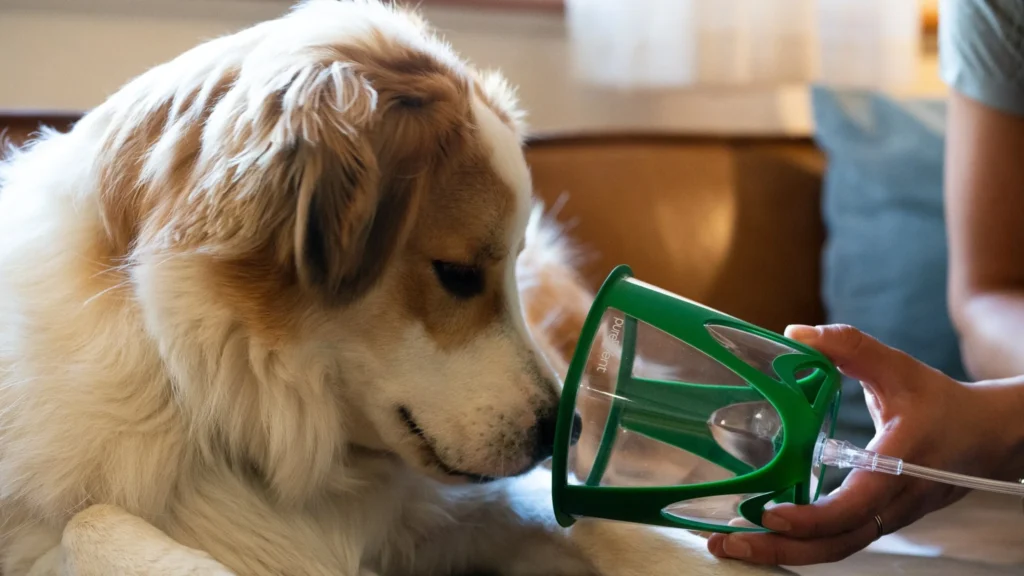
Delivers fine moisture particles directly into the airways. This helps loosen thick mucus, reduces airway irritation, improves airflow, and makes breathing easier for dogs with infectious or aspiration pneumonia.
Warm steam gently hydrates irritated airways, loosens mucus, and helps open congested lung passages. This supportive therapy is often combined with nebulization to enhance breathing comfort and mucus removal.
IV fluids help correct dehydration caused by pneumonia. They also thin mucus, improve circulation, support organ function, and help dogs maintain strength while recovering from respiratory illness.
Strict rest reduces strain on the lungs and prevents relapse. Continuous monitoring allows early detection of worsening symptoms such as increased coughing, rapid breathing, or decreased appetite.
Severe pneumonia may require several days of hospitalization, especially when aspiration occurs or if oxygen levels are dangerously low.
Once stable, some dogs continue recovery at home.
Once your dog is stable enough to return home, continued care is essential for full recovery. Your veterinarian may prescribe medication to manage infection or inflammation, along with instructions for gentle feeding to prevent aspiration. A humidifier can help keep the airways moist, and limiting exercise is important until the lungs have fully healed.
During this time, keep your dog indoors, warm, and free from stress while monitoring their breathing rate at rest. Watch closely for relapse signs such as coughing, wheezing, or increased effort while breathing, and never force-feed a dog, especially one at risk of aspiration pneumonia.
Follow-up visits with your veterinarian are necessary to ensure the lungs are healing properly and to adjust treatment if needed.
Immediate emergency care is needed if you notice:
North MS Pet Emergency provides rapid diagnostics, oxygen support, and round-the-clock care for pneumonia cases. Also check out this guide on Pet Respiratory Emergencies: How to Recognize and Respond Quickly.
Recognizing the early signs of pneumonia in dogs helps prevent severe respiratory distress and long-term lung damage. Symptoms like coughing, wheezing, lethargy, and breathing difficulties require immediate attention, especially if your dog is a puppy, senior, or has a medical condition that increases risk.
At North MS Pet Emergency, our veterinary team is equipped to diagnose pneumonia quickly and provide advanced care such as IV antibiotics, nebulization, and oxygen support. If your dog is showing any signs of pneumonia or struggling to breathe, do not wait.
Contact us now for emergency care or visit us after hours for immediate support. Your dog’s lungs and life depend on prompt action.
