
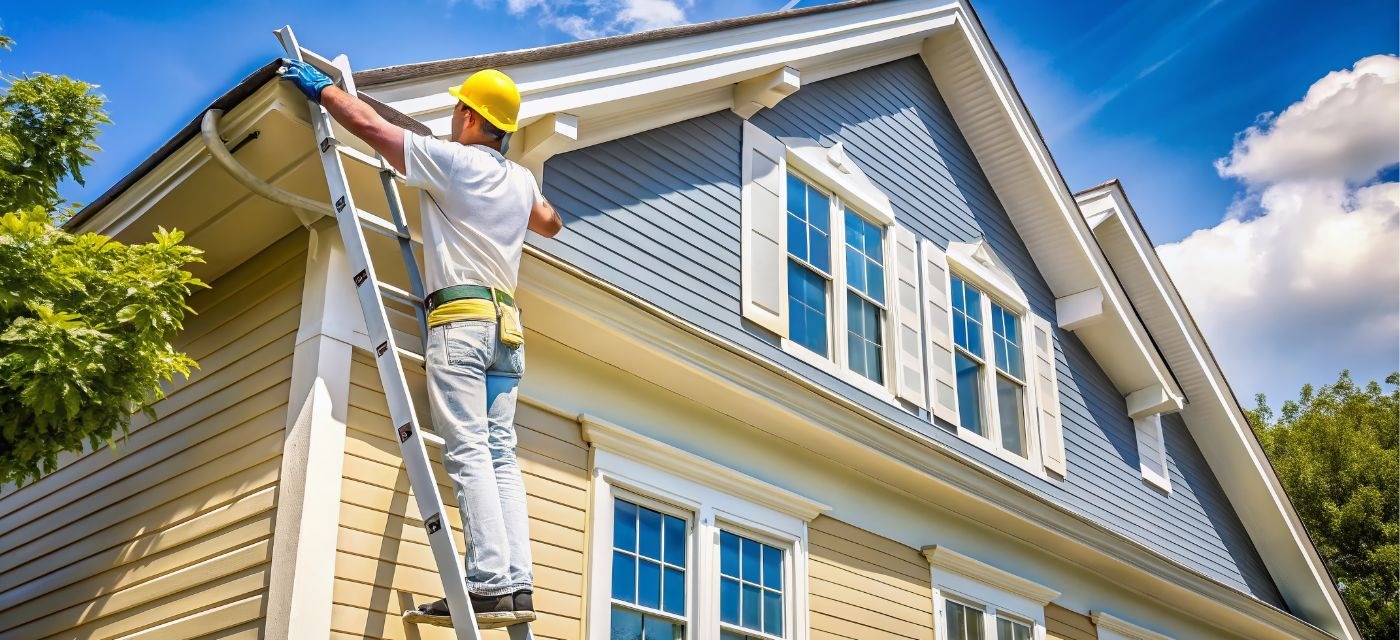
The exterior of a building is the first thing people notice. Whether it is a home or a commercial property, the outside appearance plays a major role in creating a strong first impression. Over time, weather, pollution, and sun exposure can damage exterior surfaces and make them look dull or worn out. This is where exterior painting services become essential.
A fresh exterior paint job does more than improve appearance. It protects the structure, increases property value, and extends the life of exterior materials. In this guide, you will learn what exterior painting involves, why it matters, and how professional services deliver long-lasting results.
Exterior painting refers to the process of preparing and painting the outside surfaces of buildings. These surfaces may include walls, siding, fences, doors, trims, and other structural elements exposed to the environment.
Professional exterior painting services typically cover:
Surface inspection and assessment
Cleaning and washing
Repairing cracks or damaged areas
Priming surfaces
Applying weather-resistant paint
Final inspection and cleanup
The goal is not just visual improvement but long-term protection against moisture, heat, and environmental damage.
Many property owners delay exterior painting, assuming it is only cosmetic. In reality, it serves several important purposes.
Exterior surfaces face constant exposure to rain, sunlight, wind, and temperature changes. Quality paint acts as a protective barrier, preventing moisture from seeping into walls and causing structural damage.
A clean, freshly painted exterior instantly improves the look of a property. This is especially important for businesses that rely on foot traffic or homeowners planning to sell.
A well-maintained exterior signals that a property has been cared for. This can significantly boost market value and attract buyers or tenants.
Painting helps seal small cracks and surface flaws before they turn into expensive structural problems.
Professional painters work on a wide range of exterior surfaces. Each surface requires specific preparation and paint types.
Walls made of brick, stucco, concrete, or wood need proper cleaning and priming to ensure paint adhesion and durability.
Vinyl, wood, and fiber cement siding require different paint formulas and application techniques for best results.
These areas need precision work to avoid peeling and ensure smooth finishes.
Outdoor wooden structures are especially vulnerable to moisture and sun damage, making protective coatings essential.
Hiring professionals ensures the job is done correctly and safely. Below is a step-by-step overview of how most projects are handled.
Painters assess the condition of surfaces, identify repairs, and recommend suitable paint types based on climate and material.
This is the most important stage and includes:
Pressure washing to remove dirt and mold
Scraping old or peeling paint
Filling cracks and holes
Sanding rough areas
Skipping this step often leads to poor results and early paint failure.
Primer helps paint bond better and provides an even base, especially on porous or repaired surfaces.
Professionals use brushes, rollers, or sprayers depending on the surface. High-quality exterior paints are applied in multiple coats for durability.
After drying, painters check for uneven spots, missed areas, or defects and perform necessary touch-ups.
While some homeowners consider DIY painting, professional services offer clear advantages.
Expertise in surface preparation and paint selection
Access to commercial-grade tools and materials
Faster project completion
Safer handling of heights and ladders
Long-lasting and consistent finish
Professional exterior painting services also reduce the risk of mistakes that can cost more to fix later.
The frequency of painting depends on several factors, including climate, surface type, and paint quality.
General guidelines include:
Wood siding: every 3–7 years
Stucco: every 5–10 years
Brick: every 8–12 years
Fiber cement: every 10–15 years
Regular inspections help determine when repainting is needed before visible damage occurs.
Selecting the right paint is just as important as proper application.
Weather resistance
UV protection
Moisture control
Color retention
Environmental impact
Professionals usually recommend paints specifically designed for exterior use, ensuring durability and long-term performance.
The cost of exterior painting varies based on several elements.
Main factors include:
Size of the property
Surface condition
Type of paint used
Number of coats required
Labor and preparation work
While professional services may seem expensive upfront, they often save money over time by preventing damage and reducing maintenance needs.
Residential and commercial painting projects differ in scale and requirements.
Focuses on aesthetics, personal style, and neighborhood appeal. Projects are usually smaller and completed within a few days.
Involves larger surfaces, strict timelines, and minimal disruption to business operations. Safety compliance and durable coatings are critical.
Experienced exterior painting services can handle both residential and commercial projects efficiently.
Proper care helps extend the life of a paint job.
Clean exterior surfaces annually
Inspect for cracks or peeling
Address minor damage promptly
Trim vegetation away from walls
Simple maintenance can add years to the durability of exterior paint.
Investing in professional exterior painting services is one of the most effective ways to protect and enhance your property. Beyond improving appearance, a quality paint job strengthens structural integrity and reduces long-term maintenance costs.
By understanding the process, benefits, and best practices, property owners can make informed decisions and enjoy lasting results. Whether for a home or business, a professionally painted exterior reflects care, quality, and value.