
Tucked between Islington and Finsbury Park, Highbury blends charming period homes with contemporary flats and maisonettes. It’s a magnet for renters, young professionals, and families alike. But if you’re a landlord in Highbury—or even a cautious homeowner—you’ll know that a warm, gas-powered home comes with real responsibilities. And the most important of those is holding a valid Gas Safety Certificate.
The Gas Safety Certificate—also known as a CP12 certificate—is more than just a legal requirement. It’s a document that confirms all your gas appliances, pipework, and flues have been professionally checked and are safe to use.
For landlords, it’s a non-negotiable legal obligation. For homeowners, it’s smart preventive maintenance.
But here’s where it gets real: A neglected gas appliance can leak carbon monoxide, cause fires, or fail during the coldest week of winter. In areas like Highbury, where older homes often have complex or modified gas installations, these risks aren’t just theoretical—they’re commonly found during routine checks.
Highbury properties vary wildly—from converted Georgian townhouses and post-war ex-council flats to modern new builds with sleek boiler systems. That variety makes the need for gas safety inspections even more crucial.
Consider these local scenarios:
All of these setups can hide hidden dangers—and without a professional inspection, you may not know there’s a problem until it’s too late.
That’s why local service providers like gassafetycertificateuk.co.uk specialise in adapting inspections to the specific quirks of Highbury’s housing stock.
If you’re renting out your property in Highbury, your legal duties under UK law are crystal clear. You must:
Ignoring this isn’t just risky—it’s a serious offence. Landlords who fail to comply may face unlimited fines, criminal charges, and invalidation of insurance policies.
In Islington Council’s area, which includes Highbury, enforcement is getting tougher—especially where tenants report concerns or licensing schemes are in place.
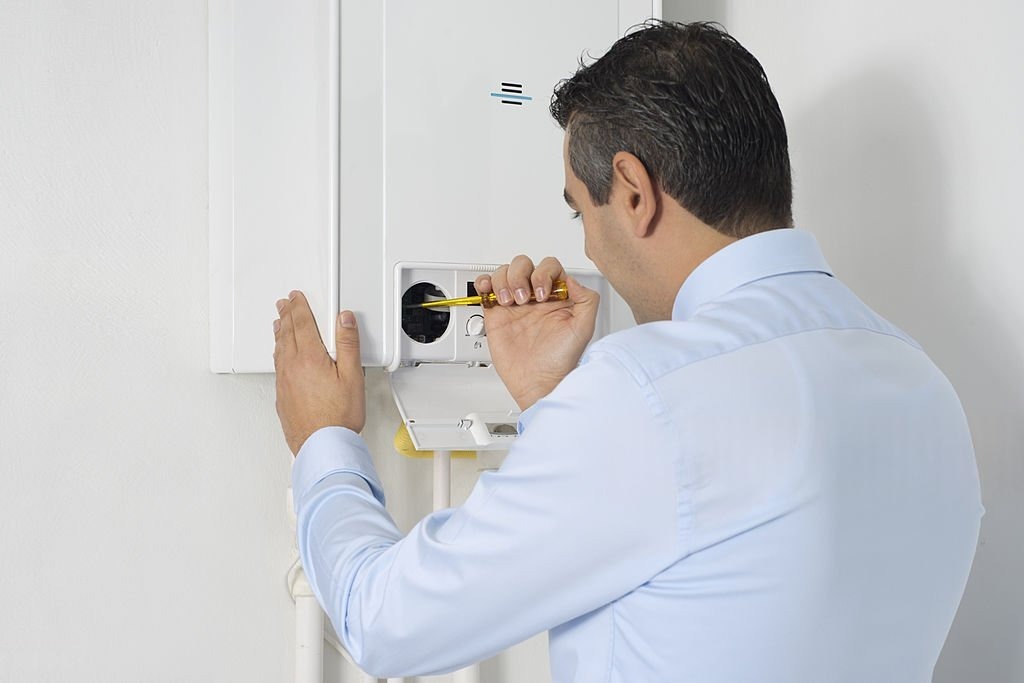
You might be surprised at how straightforward the inspection is when handled by a qualified engineer.
Expect them to:
The result is either a clean bill of health or a clear list of safety actions to take. All findings are documented in the Gas Safety Certificate—so there’s full transparency.
A good provider like gassafetycertificateuk.co.uk will also explain what’s urgent, what’s advisable, and what can wait—so you’re not overwhelmed.
Short answer: yes.
Even if you’re not renting, here’s why a yearly gas inspection makes sense:
Many homeowners in Highbury now see annual inspections as part of responsible home ownership—especially in older homes with legacy gas systems.
Gas engineers working in Highbury regularly encounter:
These aren’t rare finds—they’re daily discoveries. And they’re all preventable with regular inspections.
A Gas Safety Certificate in Highbury isn’t just a landlord’s obligation—it’s a homeowner’s safeguard, a tenant’s peace of mind, and a practical necessity in a high-density, mixed-housing area like this one.
With responsible maintenance, smart timing, and the help of a reliable provider like gassafetycertificateuk.co.uk, staying compliant doesn’t have to be stressful. It can be a simple, affordable part of your annual property care plan.
Yes. If the tenant has their own living space and uses gas appliances, the certificate is required—even for lodgers.
Typically 30–60 minutes, depending on how many appliances you have and whether any issues are found.
The engineer will advise you on the steps needed to make the appliance or system safe. Once resolved, a new inspection and certificate can be issued.
Absolutely not. Only a Gas Safe registered engineer can legally conduct inspections and issue certificates.
Monthly. Many CO detectors have a test button—press it regularly and replace batteries annually.