
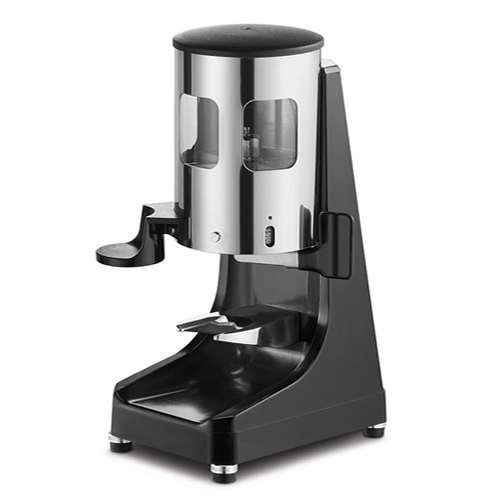
Consistency is the foundation of great coffee. Whether in a home setup or a professional environment, delivering the same flavor, aroma, and texture cup after cup requires precision at every stage of preparation. One of the most critical yet often underestimated elements in this process is the espresso grinder. Far more than a simple tool for breaking down coffee beans, it plays a central role in controlling extraction, balancing flavors, and maintaining standards over time. Understanding how this equipment influences quality control reveals why it is indispensable in any espresso-focused operation.
Quality control in coffee begins with uniformity. When coffee particles are evenly sized, water flows through them at a predictable rate during brewing. This uniform extraction ensures that desirable flavors are released without excessive bitterness or sourness.
Inconsistent grinding leads to uneven extraction. Finer particles may over-extract and contribute harsh flavors, while coarser particles under-extract and dilute complexity. A precise grinder minimizes this variation, allowing baristas or home brewers to achieve a balanced and repeatable flavor profile.
Quality control relies on measurable and adjustable parameters. A high-quality grinder offers fine control over grind size, enabling precise adjustments based on roast level, bean origin, or humidity changes. These micro-adjustments are essential for dialing in espresso and maintaining consistency throughout the day.
By treating grind size as a controlled variable rather than a guesswork element, coffee preparation becomes more systematic. This precision allows operators to document settings, replicate successful recipes, and quickly correct deviations when taste shifts occur.
Even skilled operators are susceptible to inconsistency without the right tools. Manual estimation of grind size or reliance on multipurpose grinders introduces variability that is difficult to track or correct.
A dedicated espresso-focused grinder reduces dependence on subjective judgment. Clear adjustment mechanisms and stable performance help standardize output regardless of who is operating the equipment. This standardization is especially valuable in environments with multiple users, where maintaining uniform quality can be challenging.
Extraction is the process by which water dissolves soluble compounds from coffee grounds. Proper extraction depends heavily on grind size and distribution. A consistent grind allows water to pass evenly through the coffee bed, ensuring balanced extraction across all particles.
When extraction is controlled, the resulting espresso reflects the intended flavor characteristics of the coffee. Acidity, sweetness, and bitterness remain in harmony, making quality control easier and more reliable over extended service periods.
Quality control is not limited to brewing; it also involves preserving freshness. Grinding coffee just before brewing protects volatile aromatics that rapidly degrade once beans are broken down.
A reliable grinder supports on-demand grinding, reducing waste and ensuring that each shot begins with fresh grounds. This freshness translates directly into improved flavor clarity and aroma consistency, reinforcing quality standards.
Efficient workflow contributes indirectly but significantly to quality control. When grinding is smooth, predictable, and repeatable, operators can focus on other critical aspects such as dosing, tamping, and timing.
Consistent grinding reduces the need for frequent adjustments and minimizes disruptions during peak service times. A stable workflow helps maintain focus and accuracy, lowering the risk of quality fluctuations caused by rushed or improvised preparation.
Environmental factors such as humidity and temperature can affect coffee extraction. A precise grinder allows operators to respond quickly to these changes with small adjustments rather than broad corrections.
This adaptability ensures that coffee quality remains stable even when external conditions vary. By isolating grind size as a controllable factor, quality control becomes more resilient and responsive.
Standardization is a cornerstone of quality control. Repeatable recipes depend on the ability to reproduce each variable with accuracy. Grind size is one of the most influential variables in espresso preparation.
A dependable grinder allows operators to document grind settings alongside dose and yield. These records make it possible to train staff efficiently, replicate results across shifts, and maintain consistent flavor profiles over time.
Inconsistent grinding often leads to wasted coffee during dialing-in and troubleshooting. Excessive adjustments consume time and resources while introducing uncertainty into the process.
By delivering stable performance, a well-designed grinder reduces trial-and-error adjustments. Less waste means more predictable outcomes and tighter quality control, especially in high-volume settings.
Tools influence behavior. When operators have access to precise, reliable equipment, they are more likely to adopt disciplined, quality-focused practices. A dedicated grinder encourages attention to detail and reinforces the importance of consistency.
Over time, this mindset contributes to a culture where quality control is proactive rather than reactive. Problems are identified and corrected early, before they affect the final cup.
Quality control in coffee is the result of many small, well-managed variables working together. A dedicated grinder stands out as one of the most impactful tools in this system, providing consistency, precision, and reliability at every stage of preparation. By controlling grind size, supporting balanced extraction, and reducing variability, it lays the groundwork for repeatable excellence. When paired thoughtfully with an espresso coffee machine, it ensures that every cup reflects the same high standards, reinforcing trust, flavor integrity, and long-term satisfaction.