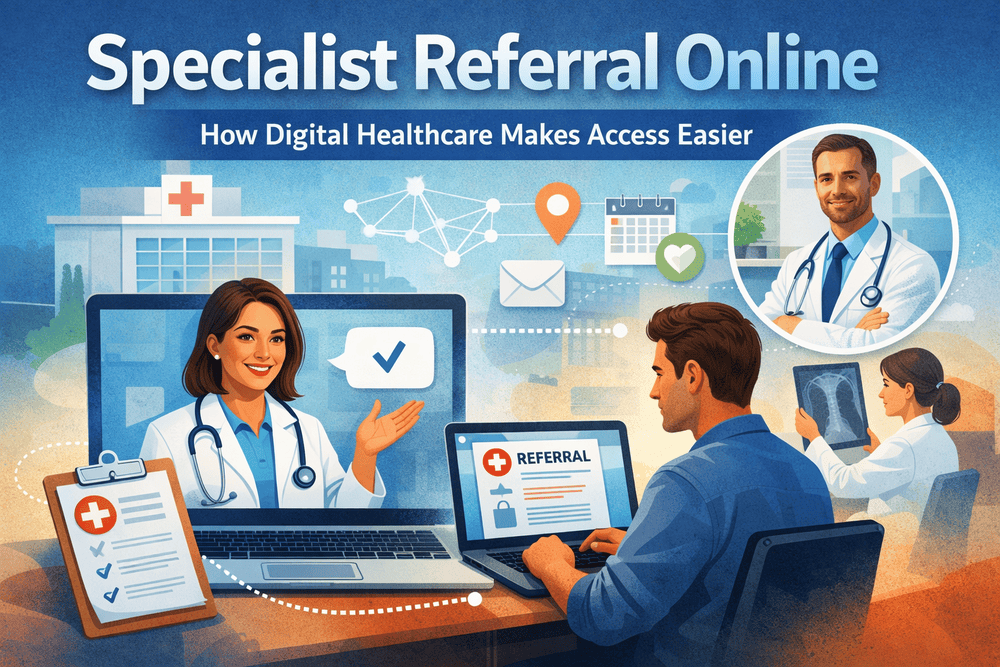
Healthcare systems around the world are experiencing a major digital shift. Traditional paper-based processes and manual workflows are being replaced with smart technologies that improve accuracy, speed, and accessibility. Mobile apps have emerged as one of the most impactful tools in this transformation, helping patients and providers connect more effectively than ever before.
From appointment scheduling to real-time health monitoring, mobile healthcare apps are reshaping how medical services are delivered. They reduce operational strain on healthcare facilities while improving convenience for patients.
Patients today expect quick access to medical services, just like they do in banking or shopping. Healthcare apps allow users to book appointments, receive reminders, consult doctors remotely, and access test results from their phones. This level of accessibility reduces wait times and enhances the overall patient experience.
For healthcare providers, apps help automate administrative tasks, manage patient records efficiently, and improve communication between departments. These benefits lead to better care coordination and reduced operational costs.
Patient engagement is a critical factor in healthcare outcomes. Apps encourage patients to take an active role in managing their health. Features like medication reminders, wellness tracking, and educational content help users stay informed and consistent with their treatment plans.
When patients are engaged, they are more likely to follow medical advice, attend follow-up appointments, and monitor their health regularly. This proactive approach leads to better long-term outcomes and reduced emergency visits.
Healthcare applications are complex and require deep technical and regulatory understanding. A professional healthcare app development company brings experience in building secure, compliant, and user-friendly solutions. These teams understand medical workflows, data sensitivity, and the importance of reliability in healthcare environments.
Professional developers handle everything from concept design and feature planning to testing and deployment, ensuring the final product meets both user expectations and industry standards.
Healthcare is not a one-size-fits-all industry. Hospitals, clinics, laboratories, pharmacies, and wellness startups all have unique requirements. Custom development allows applications to be tailored to specific use cases such as telemedicine platforms, patient portals, fitness tracking apps, or hospital management systems.
Tailored healthcare app development services ensure that each application aligns with organizational goals, improves internal efficiency, and enhances patient care without unnecessary complexity.
Healthcare apps must be accessible to users of all ages and technical abilities. Simple navigation, clear instructions, readable text, and intuitive interfaces are essential. Elderly users, in particular, benefit from apps that prioritize clarity and ease of use.
Developers focus on user-centered design to minimize confusion and ensure that patients can access critical information without difficulty. A positive user experience encourages regular app usage and builds trust in digital healthcare solutions.
Healthcare apps handle sensitive personal and medical data, making security non-negotiable. Strong data protection measures are essential to maintain patient trust and comply with regulations. Developers implement encryption, secure authentication, and role-based access to protect information from unauthorized access.
Regular testing and updates help identify vulnerabilities and ensure ongoing compliance with data protection standards. Secure apps protect both patients and healthcare organizations from costly data breaches.
As healthcare providers expand their services, their digital platforms must scale accordingly. Scalable app architecture allows systems to handle increased users, additional features, and higher data volumes without performance issues.
Scalability is especially important for healthcare startups and growing organizations that plan to expand geographically or introduce new services. A flexible app ensures long-term usability and cost efficiency.
Many healthcare organizations already use electronic health records (EHR), billing software, and diagnostic tools. Modern healthcare apps must integrate smoothly with these systems to avoid data silos and duplication.
Integration improves workflow efficiency by enabling seamless data exchange between systems. This ensures healthcare professionals have accurate, real-time information when making clinical decisions.
Healthcare apps must perform reliably at all times. Even small technical issues can disrupt patient care or compromise data accuracy. Rigorous testing ensures apps function correctly across devices, operating systems, and usage scenarios.
Quality assurance includes functional testing, performance testing, and security validation. Thorough testing reduces errors, improves reliability, and ensures patient safety.
Launching a healthcare app is only the beginning. Continuous monitoring, updates, and improvements are necessary to keep the app secure, efficient, and compliant with evolving regulations. Regular updates also help introduce new features and improve usability based on user feedback.
Ongoing support ensures compatibility with new devices and operating system updates, keeping the app reliable over time.
Well-designed healthcare apps become long-term assets for organizations. They improve operational efficiency, enhance patient satisfaction, and support better health outcomes. Over time, these apps can evolve into comprehensive digital ecosystems that support a wide range of medical services.
Healthcare organizations that invest in quality mobile apps position themselves for sustainable growth and innovation.
Mobile apps are transforming healthcare by making services more accessible, efficient, and patient-centered. With rising expectations and complex requirements, professional development is essential. By partnering with an experienced healthcare app development company and investing in reliable healthcare app development services, healthcare organizations can build secure, scalable, and impactful digital solutions that improve care delivery and long-term success. Visit!