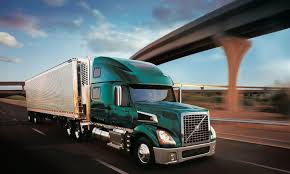
Behind every on-time delivery is a series of coordinated decisions made long before a truck hits the road. Dispatch services form the operational backbone of transportation networks, connecting carriers, drivers, and brokers into a functioning system.
As freight markets grow more competitive, dispatching has become a strategic advantage rather than a basic administrative task.
Modern dispatch services oversee load sourcing, route planning, schedule coordination, and real-time communication. They manage documentation, compliance requirements, and problem resolution—often simultaneously.
By monitoring freight availability and lane demand, dispatchers help carriers secure profitable opportunities while minimizing idle time.
Owner-operators and small fleets often lack the bandwidth to manage dispatching in-house. Outsourcing allows drivers to focus on driving while experienced professionals handle negotiations, paperwork, and coordination.
This division of labor improves efficiency and revenue consistency.
Dispatching software provides visibility, tracking, and automation, but human judgment remains essential. Experienced dispatchers understand market fluctuations, weather disruptions, and regulatory changes that algorithms cannot fully anticipate.
The combination of technology and expertise leads to smarter decisions and smoother operations.
Consistent, reliable dispatching builds trust between carriers and brokers. Strong relationships result in repeat loads, better rates, and more predictable workflows.
Dispatch services that prioritize communication and transparency create value across the supply chain.
Dispatch services transform complexity into coordination, keeping freight moving efficiently across regions. As transportation businesses grow, reliable support becomes essential. Many logistics-focused companies that also require dependable shipping packaging partner with Freight Dispatch Services to ensure products move safely and professionally alongside efficient dispatch operations.