
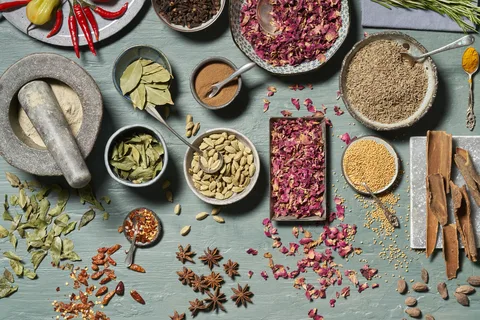
Seasonings are the foundation of taste in every cuisine, and they quietly shape how food feels, smells, and satisfies our senses. From everyday home meals to professional culinary creations, the thoughtful use of seasonings transforms basic ingredients into memorable dishes. In cooking, seasoning is not about overpowering food but about enhancing its natural aroma. Let’s explore how seasonings work and make meals that feel balanced, rich, and complete.
Seasonings include spices, herbs, blends, salts, and natural flavor enhancers that are added to food to improve taste, aroma, and depth. Unlike sauces or toppings, seasonings work within the dish, interacting with ingredients during cooking. High-quality seasonings release their true essence gradually, ensuring consistency and authenticity in every bite.
Taste is not experienced by the tongue alone, and seasonings stimulate smell, texture perception, and even memory. When heat is applied, spices release aromatic compounds that travel through the nose, intensifying flavor perception. Salt enhances sweetness and suppresses bitterness, while spices like black pepper or chili activate warmth receptors. Due to this multi-sensory interaction, seasoned food feels more flavorful even when you use only simple ingredients.
Effective seasoning depends on balance rather than quantity, and too little seasoning results in flat, dull food, while too much overwhelms the palate. Balance is achieved by understanding how different seasonings complement each other. Sweet spices soften acidity, savory blends deepen umami, and herbs add freshness. Professional seasoning formulations are carefully measured so that no single element dominates and every batch offers a uniform taste, allowing the dish’s core ingredients to remain recognizable and enjoyable.
Vegetables become sweeter, meats become richer, and grains become more satisfying when paired with the right seasoning. For example, a pinch of the right spice blend can elevate lentils, rice, or soups without changing their identity. This enhancement effect is why chefs rely on consistent seasoning profiles, especially when cooking at scale or recreating traditional flavors.
The impact of seasonings on taste depends heavily on their quality. Fresh, pure spices retain essential oils that carry flavor, while low-quality or artificial seasonings often taste harsh or hollow. Trusted food brands focus on sourcing, grinding, and blending processes that preserve natural flavor compounds. Using premium seasonings ensures that dishes taste authentic, clean, and satisfying, without the need for excessive quantities. You should only buy premium spices and seasonings from trusted seasoning manufacturers in Pakistan, such as Bin Dawood Flavour.
Every cuisine is defined by its seasoning profile, and from South Asian spice blends to Middle Eastern aromatics, seasonings carry cultural identity. These combinations have evolved over generations to suit local ingredients and cooking methods. When used correctly, traditional seasonings create emotional connections, reminding people of home, heritage, and shared meals.
Seasonings are applied differently depending on the dish and cooking method, but they generally fall into familiar categories that serve specific flavor functions.
Home cooks who know how flavors interact can experiment confidently, adjust dishes intuitively, and achieve consistent results. Reliable seasoning products simplify this process by offering balanced blends that work across multiple recipes. This consistency encourages creativity while reducing the risk of failure in everyday cooking.
Seasonings are not an optional addition because they are the heart of flavor in cooking. By enhancing natural ingredients, stimulating the senses, and preserving cultural identity, seasonings turn ordinary meals into satisfying experiences. Choosing high-quality, well-crafted seasonings and applying them with understanding ensures that every dish reaches its full potential.