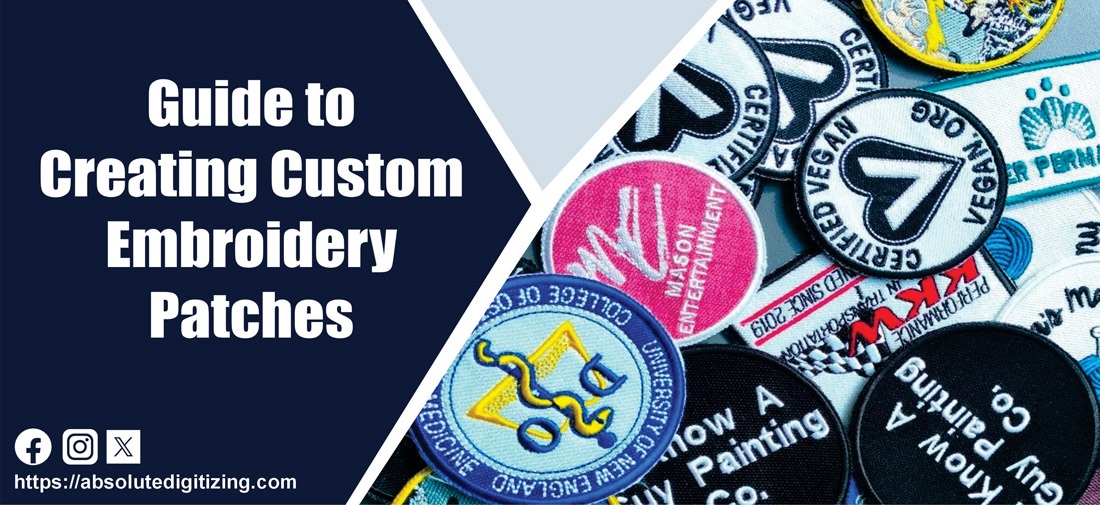
Custom embroidered patches add that perfect personal touch to jackets, bags, hats, and more. They turn plain items into statement pieces that showcase logos, artwork, or inside jokes. With a home embroidery machine and some basic supplies, anyone can create professional-looking patches from their own designs. The process combines creativity with a few technical steps, resulting in durable, vibrant additions that stand out. Whether for personal use, gifts, or small sales, making your own opens endless possibilities. Let’s dive into the straightforward way to bring your artwork to life when you learn how to make embroidered patches.
Start with clear, bold designs that translate well to thread. Simple shapes, thick lines, and limited colors work best—aim for six to ten shades maximum. Vector files scale perfectly, but raster images function if they’re high resolution. Clean up the artwork by boosting contrast, removing busy backgrounds, and simplifying details. Thin elements thicken slightly to avoid thread breaks. This preparation ensures the digitizing step captures everything accurately.
Turn the artwork into a stitch file using embroidery software. Many programs offer auto-digitizing for quick starts, but manual tweaks elevate quality. Assign satin stitches to borders for shine and fill stitches to larger areas for coverage. Add underlay to stabilize and pull compensation to maintain shape. Optimize the path so the needle travels efficiently, reducing jumps and time. Test the file with a simulation to spot issues early.
You’ll need twill or felt as the base fabric, tear-away stabilizer, and water-soluble topping for clean topsides. Thread choices matter—polyester holds color well, rayon adds sheen. For backing, pick iron-on, Velcro, or sew-on options based on use. Medium-weight cutaway stabilizer works for in-hoop finishing. Quality materials prevent fraying and ensure patches last.
Layer materials carefully: stabilizer at bottom, base fabric on top, then topping if needed. Hoop tightly to avoid shifts. Stitch a placement line first, then tack down the base. Run the design, watching for tension issues. Add a satin border around the edge for a clean finish. Multiple patches fit in one hooping to save time and materials.
Once stitched, remove from the hoop and tear away excess stabilizer. Cut close to the border with sharp scissors or a hot knife for sealed edges. For merrowed borders, use a serger after stitching. Apply backing—iron-on heat seals quickly, while Velcro needs sewing. Trim carefully to maintain shape.
Iron-on patches adhere with heat and pressure. Sew-on versions offer permanence. Velcro allows swapping. Place them on denim, canvas, or cotton for best hold. These patches personalize gear, make great gifts, or even start small ventures.
Keep designs under four inches for most uses. Test on scraps first. Experiment with 3D puff or metallic threads for flair. Store files organized for repeats.
Making embroidered patches from custom artwork brings ideas to life in a tangible, lasting way. The process blends digital prep with hands-on stitching, rewarding patience with unique results. Start small, refine techniques, and soon you’ll create patches that turn heads and spark conversations wherever they go.